Philippines
The Philippines' Investment Gap: A Story of Unrealised Potential
The Philippines is struggling to attract foreign investment compared to its ASEAN neighbours. The reasons are not a lack of scale, but a persistent gap in the institutional capacity needed to translate announcements into tangible projects.
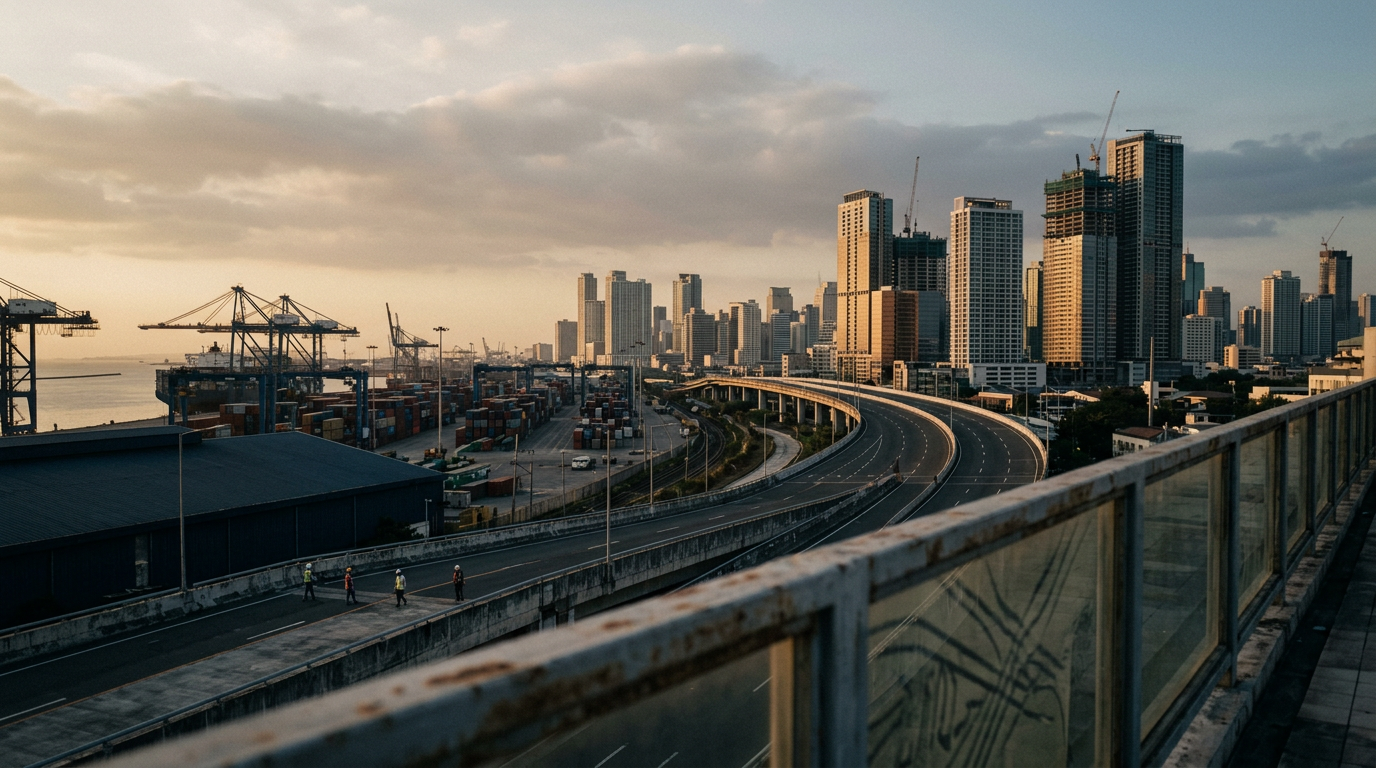
Eduardo Francisco, president of BDO Capital and Investment Corp., recently noted that the Philippines is being overlooked by global investors. In a report by philstar.com, he pointed to weaker economic growth and political noise as primary reasons for the country falling behind in the regional competition for foreign direct investment (FDI).
This situation is not unique to the Philippines. It illustrates a broader theme across Southeast Asia: the difference between attracting investor interest and converting it into realised investment on the ground. While the Philippines possesses significant scale in terms of population and market size, this alone has not been sufficient to secure the investment flows seen by its neighbours. The core of the issue lies in the execution capacity of state institutions.
The Execution Deficit
Attracting FDI is a multi-stage process. An initial announcement signals interest, but the real work begins afterward. As the book "ASEAN Rising" explains, the journey from a press release to an operational factory or data center is long and complex. It depends on the government's ability to deliver on the fundamentals required for any large-scale project.
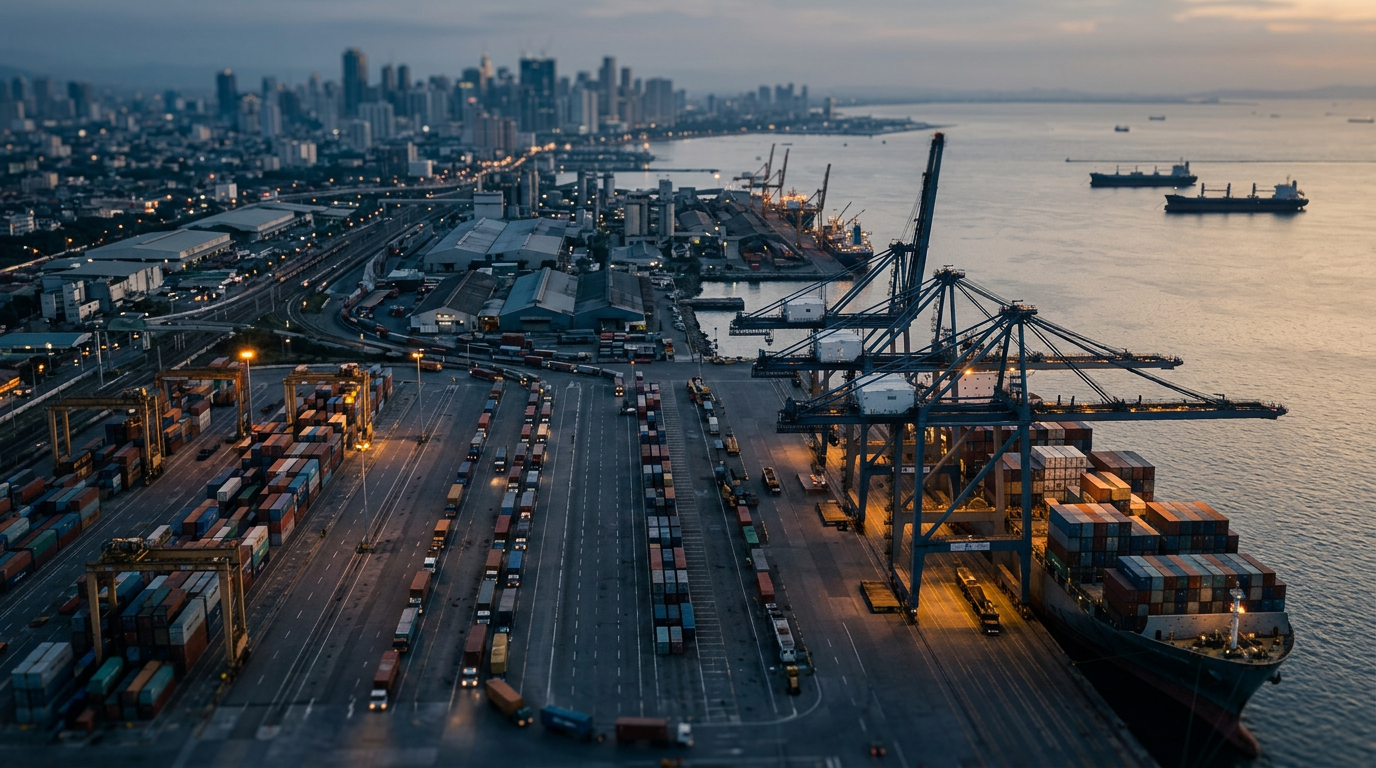
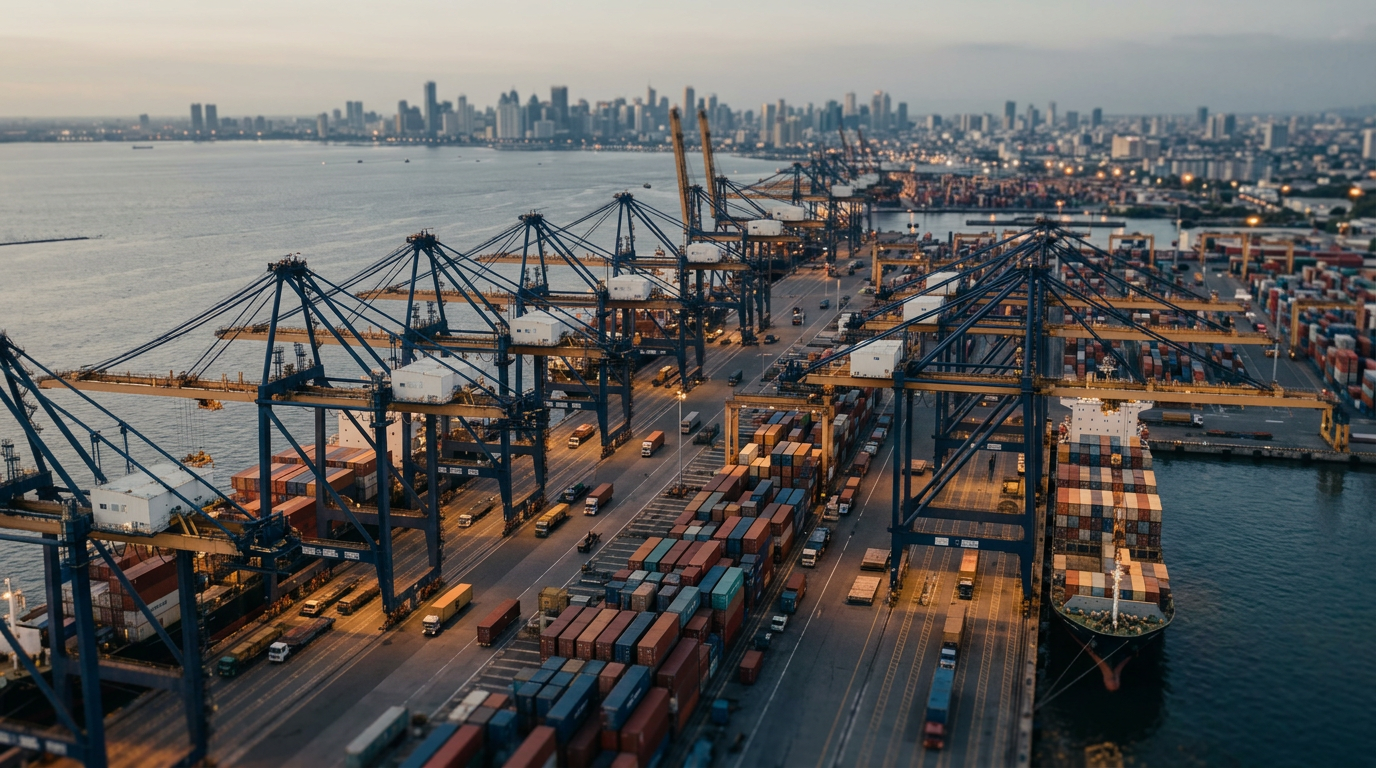
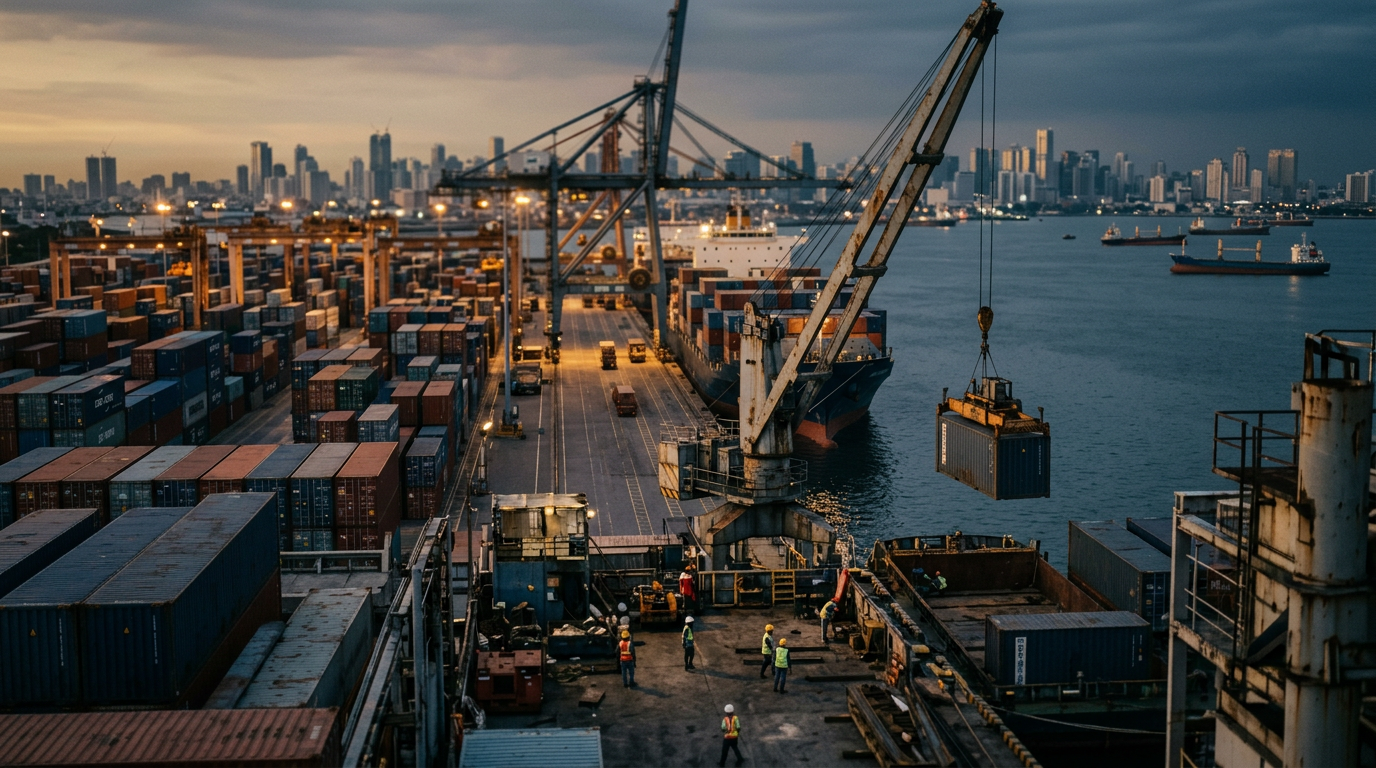
For the Philippines, challenges in this area have been a recurring theme. Investors frequently face hurdles related to land acquisition, the permitting process, and securing reliable power. These are not headline-grabbing issues, but they are decisive. An investment pledge means little if the land for a factory cannot be legally secured or if the electricity grid cannot support its operations. Scale is an asset, but as the book notes, "FDI announcements travel quickly. Realised flows depend on the slower work of land, permits, power and talent reaching the ground." This slow, methodical work is where institutional capacity is truly tested.
Institutions and Trust
When institutions function unpredictably, it erodes investor trust. The "political noise" mentioned by Francisco is a significant factor. For global investors, policy stability and a predictable regulatory environment are non-negotiable. Frequent changes in rules, or the perception that regulations are not applied consistently, increase risk and deter capital. This is particularly true for long-term infrastructure and manufacturing projects, which require large upfront capital commitments and operate on timelines that span multiple administrations.
While corporate earnings may be resilient and stock valuations cheap, FDI is a different category of capital. It requires a deeper belief in the long-term stability and administrative competence of the host country. Indonesia, for example, has made concerted efforts to streamline its permitting process through a single online portal and has established clearer frameworks for land use. These reforms, while imperfect, have helped translate its own considerable scale into a more compelling investment destination, demonstrating how institutional improvements can directly influence capital flows.
Beyond the Headlines
The narrative of the Philippines falling behind its peers is a reminder that investment is not won on demographics or market size alone. It is won through the diligent, often unglamorous, work of building effective institutions. The capacity to manage complex land deals, issue permits efficiently, and provide reliable infrastructure is what creates "investable depth."
While cheaper valuations might attract portfolio investors looking for short-term gains, the long-term, job-creating direct investment that the Philippines needs will follow tangible progress in governance and execution. The country's large, young, and dynamic population represents a powerful advantage, but only if the government can build a framework that allows that potential to be realised.
What to watch: Observers should monitor not just the headline FDI announcement figures for the Philippines, but also the rate of realised investment. Pay close attention to any substantive reforms in land acquisition laws, the streamlining of national and local government permitting, and investments in energy infrastructure. These administrative metrics, more than macroeconomic indicators, will determine if the country can close the gap with its ASEAN neighbours in the race for long-term capital.