Philippines
The Philippines, EV Tariffs, and the China Trade Balancing Act
The debate over extending zero tariffs on electric vehicles in the Philippines is not just about local industry or green transitions. It is a case study in how ASEAN nations are managing deep trade links with China.
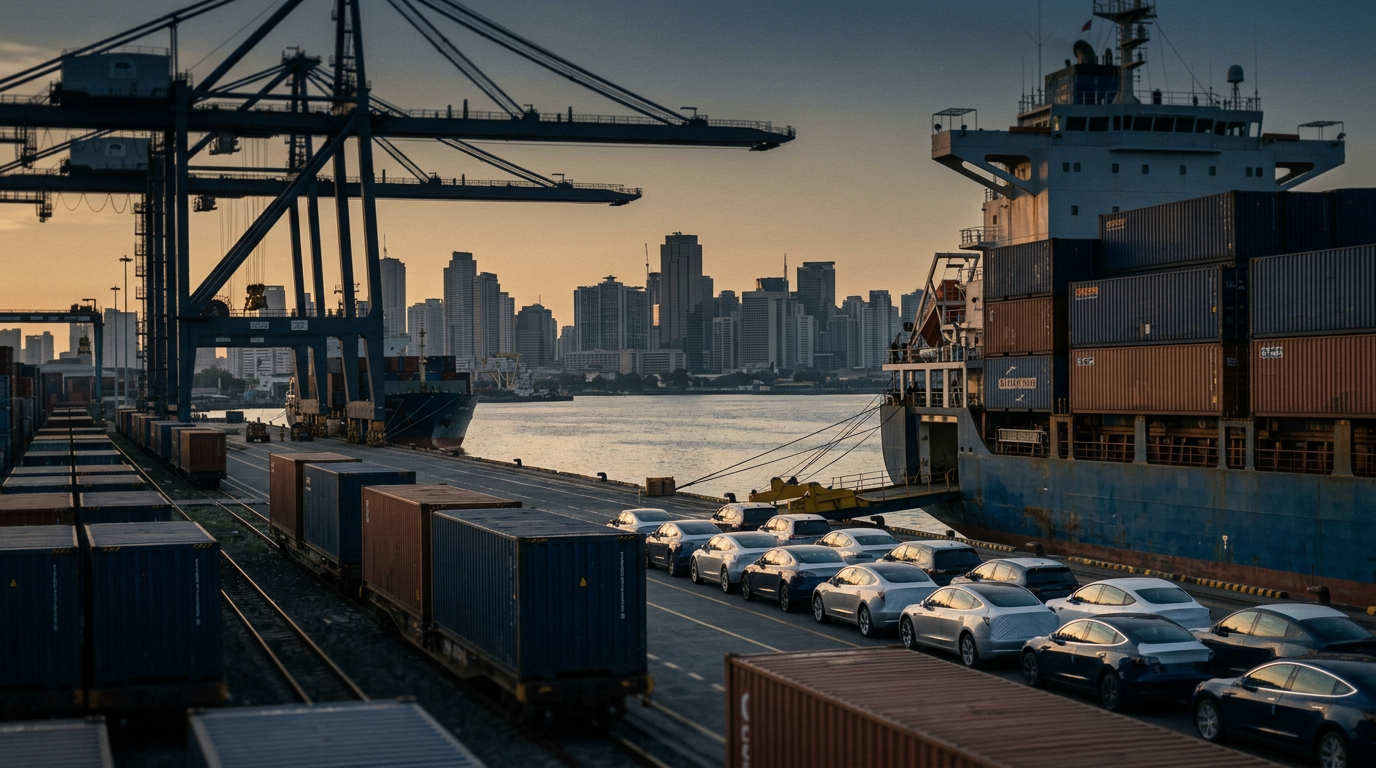
A proposal by the Electric Vehicle Association of the Philippines (EVAP) to extend zero tariffs on imported electric vehicles (EVs) until 2040 has ignited a debate on industrial policy and trade strategy. As reported by philstar.com, the proposal aims to stimulate EV adoption by making vehicles more affordable. However, it also brings a major strategic question into focus: how to balance the benefits of Chinese imports with the goal of developing local and regional manufacturing capacity.
The Tariff Debate
The current tariff structure, Executive Order No. 12, temporarily removed the 30 percent import duty on most EVs, but excluded two-wheeled electric motorcycles, a segment with some local assembly. The order is set for review in 2024. EVAP argues that a long-term extension of zero tariffs is necessary to grow the market to a size that can support a robust local manufacturing ecosystem in the future. The counterargument from local manufacturers is that the tariff suspension, particularly if extended, makes it difficult for them to compete with a flood of cheaper, fully assembled imports, predominantly from China.
This policy choice illustrates a fundamental tension. On one hand, extending tariff exemptions makes EVs accessible to more consumers, accelerating the transition away from internal combustion engines. This helps meet climate goals and reduces reliance on imported fossil fuels. On the other hand, it risks creating a market permanently dominated by imports, undermining the Department of Trade and Industry's goal of positioning the Philippines as a regional hub for EV manufacturing. Without tariff protection, the incentives for foreign and local capital to invest in Philippine-based assembly and component manufacturing are weakened.
Managing Dependency
The EV tariff situation is a practical example of the complex trade-offs ASEAN governments face regarding China. The book "ASEAN Rising" notes that deep trade integration with China is a structural economic reality for the region. The core issue is no longer about avoiding this integration, but about managing the resulting dependency. For the Philippines, Chinese manufacturers like BYD, MG, and Great Wall Motor are the primary beneficiaries of the zero-tariff regime. They can deliver technologically advanced and competitively priced EVs that local startups and assemblers currently cannot match in scale or cost.
This dynamic is not unique to the Philippines. Other ASEAN members are wrestling with similar dilemmas in sectors from solar panels to digital platforms. The challenge is to leverage China's industrial scale without sacrificing the development of domestic industries. As the book states, the goal is to "manage dependency without losing optionality." A policy that relies indefinitely on finished imports reduces the Philippines' options for building its own industrial capacity in a strategic, high-growth sector. It favors consumption over production and cedes long-term value creation to external partners.
Institutions and Industrial Strategy
Resolving this requires strong institutional execution. A coherent industrial strategy for EVs cannot be based on tariff policy alone. It must involve a coordinated effort across multiple government agencies to build a complete ecosystem. This includes infrastructure development, such as a reliable and widespread charging network. It requires workforce training to create the talent pool needed for manufacturing and maintenance. And it depends on clear, stable, and long-term regulations that give private capital the confidence to make significant investments in factories and research.
If the Philippines is to become a manufacturing player and not just a consumer market, policy must be carefully calibrated. A gradual phasing in of tariffs, tied to specific milestones in local production capabilities, could be one approach. This would still allow the market to grow with imports in the short term, while signaling a clear commitment to localizing production over the long term. It would turn tariff policy from a simple import lever into a tool for strategic industrial development, balancing immediate consumer benefits with the long-term objective of economic upgrading. What to watch: The government's decision on Executive Order No. 12 next year will be a key indicator of its strategic direction. Observers should watch whether the review process is treated as a narrow, technical tariff adjustment or as a broader opportunity to forge a long-term, integrated strategy for the entire electric vehicle ecosystem, encompassing trade, investment, infrastructure, and talent development. The outcome will signal how the Philippines intends to navigate its economic relationship with China in a sector of the future.