Philippines
The Philippines' EV Shift Needs More Than New Models
The launch of new electric vehicle models in the Philippines is a positive step, but the nation's EV ambitions depend on the unglamorous work of building reliable charging infrastructure and regulatory capacity.
The recent Philippine launch of the new Mitsubishi Outlander PHEV, a plug-in hybrid electric vehicle, signals the automotive industry's confidence in a growing local market for electric vehicles (EVs). As reported by philstar.com, the introduction of electrified models is expected to accelerate the country's transition away from internal combustion engines. While new product availability is a necessary first step, the larger determinant of success for the Philippines' EV strategy will be the development of reliable institutions and infrastructure to support these vehicles.
Charging Infrastructure Gaps
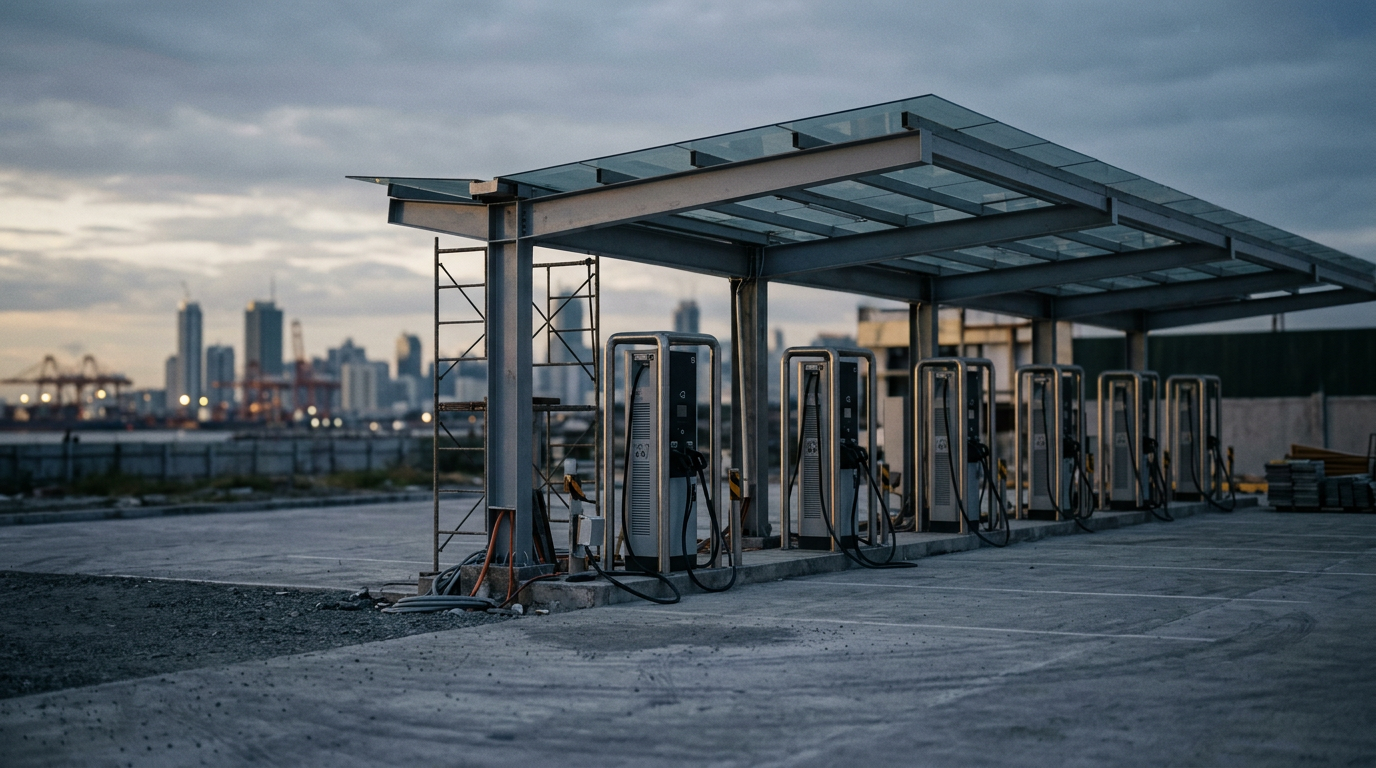
The Philippines has set ambitious targets for EV adoption. The Electric Vehicle Industry Development Act (EVIDA) mandates that corporate fleets ensure 5% of their vehicles are electric, a share that will grow over time. The law also directs the government to establish a comprehensive charging infrastructure network. This is where ambition meets execution. An electric vehicle is only as useful as the network that powers it. Without a dense, reliable, and accessible web of charging stations, EV ownership remains a niche proposition, limited to those who can charge at home and whose travel patterns do not exceed the vehicle's range.
The challenge is not just the quantity of chargers but also their quality and interoperability. The experience from other markets shows that a fragmented network with varying payment systems, plug types, and reliability issues creates friction for consumers. Building this network requires significant capital investment, coordinated planning between the public and private sectors, and a clear regulatory framework to govern standards and pricing. As the book "ASEAN Rising" notes, infrastructure that is merely announced has far less impact than infrastructure that arrives on time.
State Capacity and Execution
The successful transition to electric mobility hinges on the government's ability to execute its own policies. EVIDA provides the blueprint, but its implementation requires sustained focus from multiple government agencies. This includes the Department of Energy's role in overseeing the charging infrastructure rollout, the Board of Investments' management of fiscal incentives, and local government units' efforts to streamline the permitting process for new charging stations.
Effective state capacity is the difference between a plan on paper and a functional EV ecosystem. It involves everything from processing import applications for new EV models to inspecting and certifying new charging points for safety and reliability. This is the unglamorous but essential work of institution-building. It is this operational competence that creates a predictable and attractive environment for the private sector to invest the billions of dollars needed for a nationwide charging network. For a country like the Philippines, "a usable state is often more valuable than an exciting one."
What to watch: The pace of private-sector investment in charging infrastructure beyond major metropolitan areas will be a key indicator of progress. Observers should monitor the Department of Energy's ability to publish and enforce the technical standards and permitting processes outlined in the EVIDA law, as this will directly influence investor confidence and the usability of the network as it expands.