Philippines
The Philippines Confronts Power Prices with Solar
High power prices are a long-running source of frustration in the Philippines. Now, solar adoption is one way that households are responding to the institutional challenges of the energy sector.
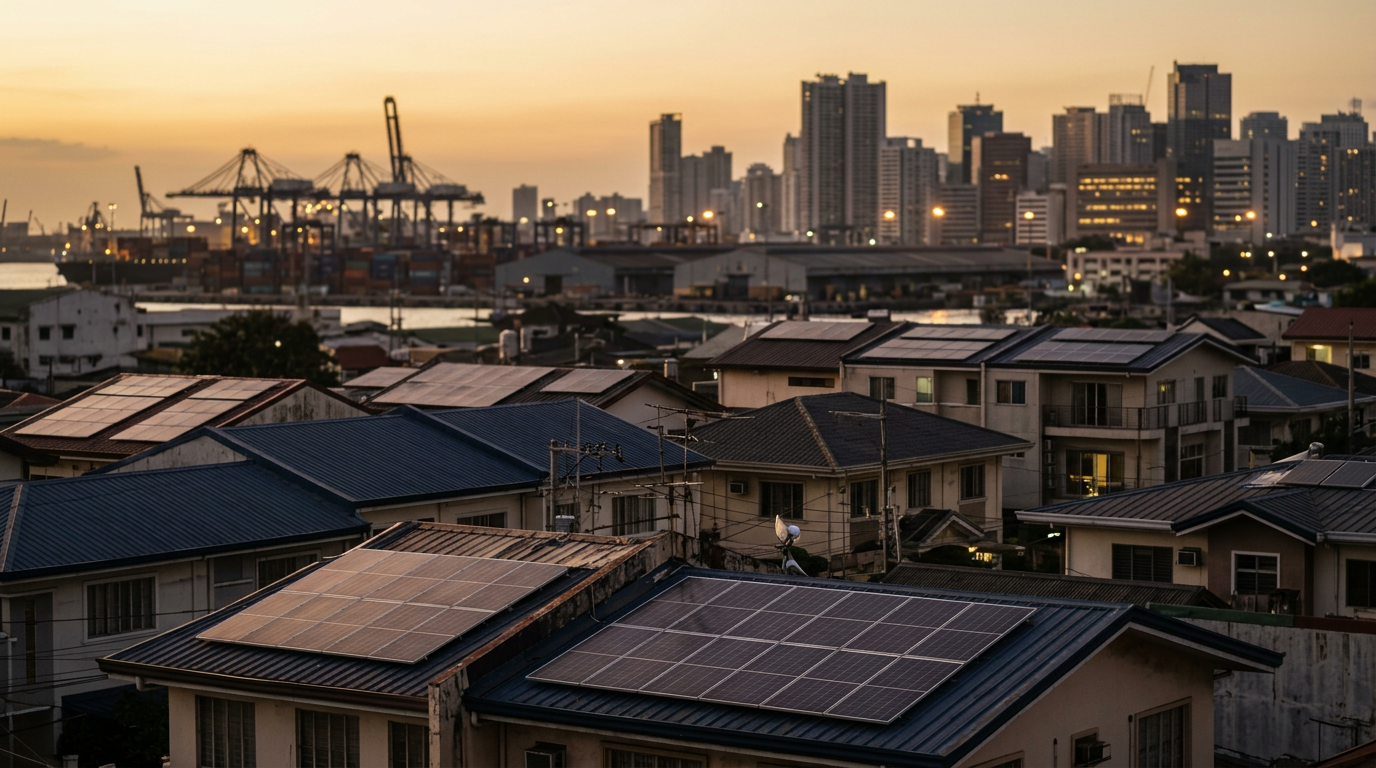
High electricity bills are pushing families in the Philippines to install their own solar energy solutions, as reported by philstar.com. This household-level response highlights a long-running structural problem in the country: some of the highest electricity costs in Southeast Asia. While individual action is a positive sign for renewable energy adoption, it also points to deeper issues within the country's institutional framework for energy.
A Market Solution to a State Problem
Filipino households and businesses are turning to rooftop solar not just for environmental reasons, but as a practical defense against high and unpredictable power prices. This trend demonstrates a market-based reaction to a systemic issue. When the state and its regulated entities fail to provide affordable and reliable electricity, consumers with sufficient capital will seek their own solutions. The rise of solar panel installers and financing options shows the private sector stepping in to fill a gap left by weak state capacity in the energy sector.
However, this approach has limitations. It is only accessible to a segment of the population that can afford the upfront investment, leaving many others exposed to high electricity rates. This creates a two-tiered system where some can opt out of the national grid's pricing problems while others cannot. While it spurs growth in the renewable sector, it does not solve the fundamental institutional issues that lead to high power costs in the first place.
Infrastructure and the Cost of Friction
High energy costs are a significant form of economic friction. They act as a tax on all business activity, from manufacturing to services, and reduce the disposable income of households. In the Philippines, this friction is a product of many factors, including dependence on imported fuels, an archipelago geography that complicates grid infrastructure, and market structures that have historically favored a small number of producers. These elements combine to create a challenging environment for delivering competitive energy.
The core insight of "ASEAN Rising" is that institutional performance is a key part of national competitiveness. The book notes that "institutional reliability has become part of comparative advantage." In the context of the Philippine energy market, the inability to consistently provide affordable power is a drag on the country's economic potential. The move toward solar by consumers is a direct response to this institutional friction. It underscores the idea that infrastructure projects that are merely announced or delayed are less valuable than those that are completed and functional. Each solar panel on a roof represents a small, private substitute for a larger, public infrastructure solution that has yet to arrive.
What to watch: The key thing to watch is whether the Philippine government can translate the clear consumer demand for cheaper energy into broader regulatory and infrastructure reforms. This includes streamlining the process for connecting renewable sources to the grid, investing in transmission infrastructure to reduce losses and accommodate new energy forms, and fostering a truly competitive wholesale electricity market. The success of these institutional actions will determine if the Philippines can solve its energy cost problem for everyone, not just those who can afford to buy their own solution.