Philippines
The Philippines' $72 Billion Question: Can Institutions Deliver?
The Philippines needs to attract US$72 billion in investment. Success will depend on the strength of its institutions and its ability to execute on infrastructure projects, a core theme of ASEAN's broader development story.
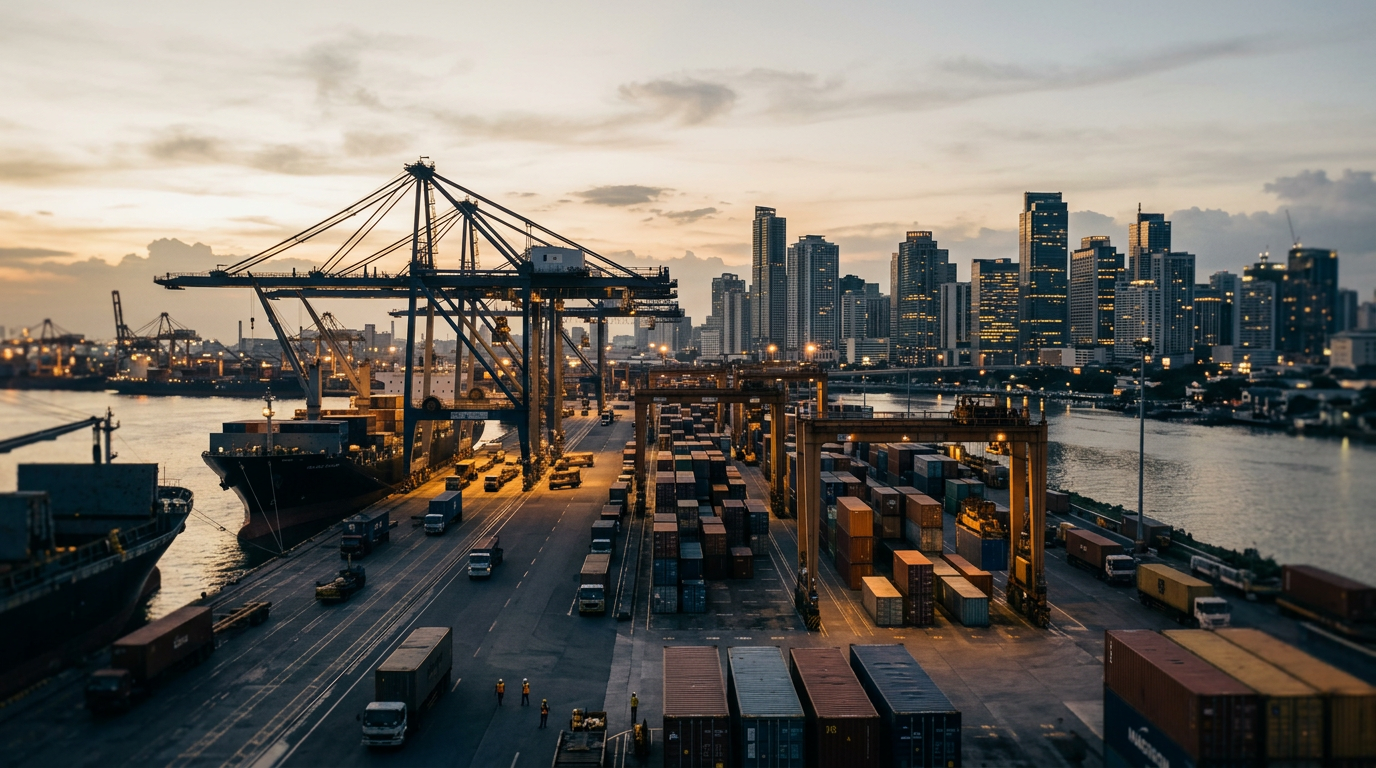
As reported by eco-business.com, the Philippines faces a US$72 billion financing requirement for its infrastructure goals. Attracting this level of capital will require a concerted effort involving both multilateral cooperation and effective regional policies. The scale of this financing gap brings into focus the essential role of state capacity and institutional reliability in turning ambitious plans into reality.
Execution over announcements
Manila's challenge is not unique within the region, but it illustrates a fundamental principle of development: capital flows toward predictability. Large-scale infrastructure projects are inherently complex and carry significant risks. For private investors and multilateral banks to commit funds, they need confidence not just in the project's vision but in the government's ability to execute. This involves transparent procurement processes, stable regulatory frameworks, and the efficient management of everything from land acquisition to construction permits.
The core message of "ASEAN Rising" is that effective state machinery is a decisive factor in economic progress. A government that can consistently deliver projects on schedule and within budget sends a powerful signal to the international community. As the book notes, "Infrastructure that arrives on time signals more than infrastructure that is merely announced." The ability to derisk projects through solid execution is the most direct way for the Philippines to attract the necessary investment. Without this, even the most appealing projects will struggle to find backers.
The institutional advantage
Attracting US$72 billion is less about salesmanship and more about substance. Investors evaluate the underlying institutional strength of the host country. They assess the quality of the bureaucracy, the independence of the judiciary, and the overall stability of the political environment. These elements determine the real cost of doing business and the long-term security of an investment. A country with a reputation for bureaucratic efficiency and reliable contract enforcement has a distinct edge.
Building this institutional trust is a slow and deliberate process. It requires sustained political will and a focus on incremental improvements in governance. For the Philippines, this means strengthening the agencies responsible for overseeing public-private partnerships (PPPs) and ensuring that they are empowered to manage complex contracts effectively. It also means leveraging its relationships within ASEAN to adopt best practices and harmonize standards, which can simplify cross-border investment and create a more integrated regional market. Ultimately, as the book argues, institutional reliability has become a component of comparative advantage in its own right.
What to watch: Observers should monitor the specific mechanisms the Philippine government implements to streamline its PPP framework and reduce administrative friction for investors. The early performance of newly approved infrastructure projects, particularly in terms of staying on schedule and budget, will be a key indicator of whether the country can build the institutional credibility required to close its financing gap. The degree to which Manila can leverage ASEAN-level agreements to support these national efforts will also be significant.