Philippines
The Malaysia-Philippines Digital Bridge and China
Malaysia and the Philippines are building a digital bridge, but this bilateral initiative also speaks to a regional strategy: managing economic dependency on China by building intra-ASEAN trade depth.
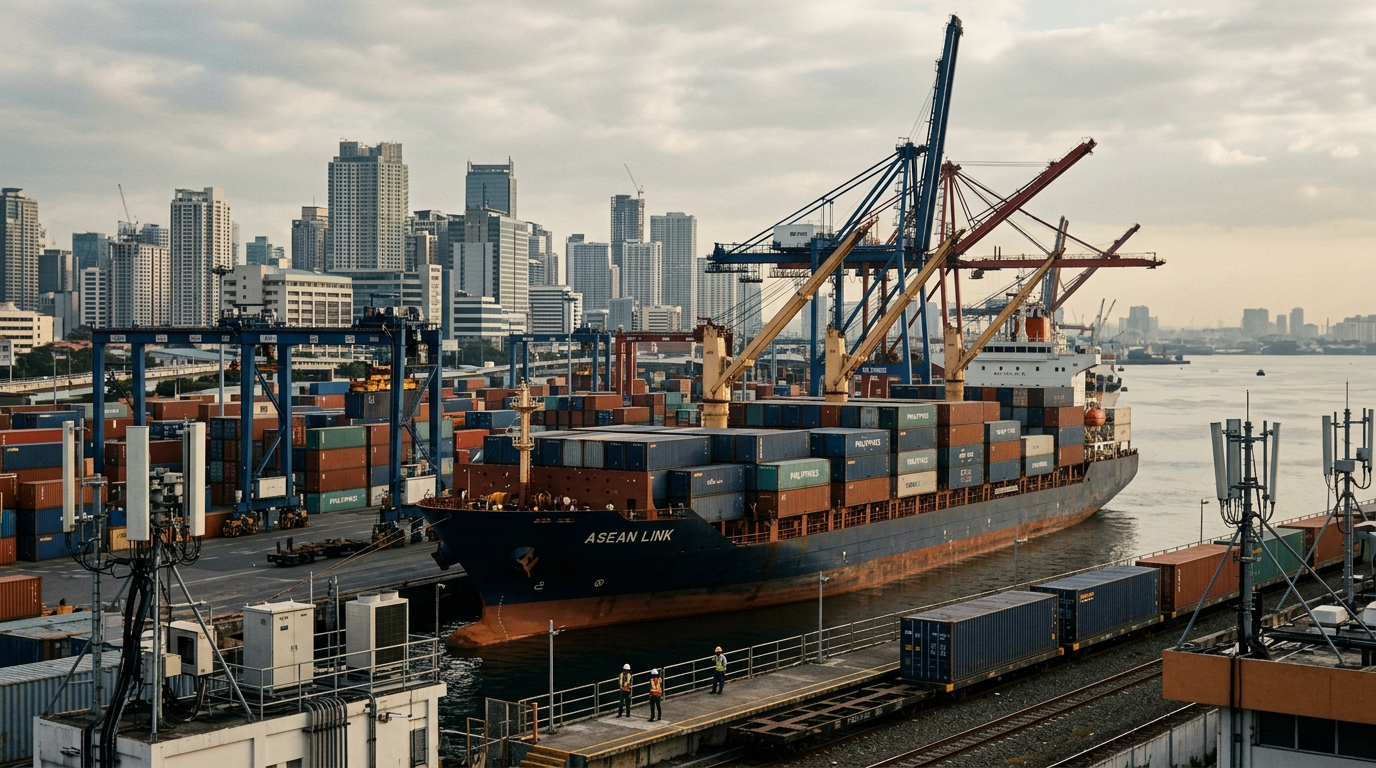
Malaysia and the Philippines are moving to strengthen their digital economic partnership. In a recent investment briefing in Manila hosted by its embassy, Malaysia promoted trade and investment in its digital economy, led by the Malaysia Digital Economy Corp. The event, reported by philstar.com, aims to connect Philippine businesses with Malaysian tech companies in sectors like data centers, cybersecurity, and creative digital content. While on the surface a bilateral trade initiative, this move reflects a wider ASEAN institutional strategy for managing regional economic dynamics, particularly concerning China.
Deepening Intra-ASEAN Digital Trade
The push for a Malaysia-Philippines digital partnership is a clear example of ASEAN members looking to build economic resilience through internal cooperation. By creating stronger trade links in high-value sectors like the digital economy, both nations aim to expand their markets and cultivate specialized ecosystems. This effort aligns with the ASEAN Digital Economy Framework Agreement (DEFA), which seeks to create a more integrated and seamless regional digital market. Such agreements are not just about economic efficiency; they are instruments of strategic balancing.
As the book ASEAN Rising notes, deep economic ties with China are now a structural reality for the region. The focus for governments has shifted from debating engagement with China to managing the dependencies that come with it. By strengthening their own internal trade networks, ASEAN countries can create a more balanced economic portfolio. A more tightly integrated ASEAN market provides a partial counterbalance to the immense pull of China's economy, giving member states more leverage and reducing their vulnerability to external shocks or shifts in trade policy from a single, dominant partner.
The Geopolitics of Digital Infrastructure
The choice of digital sectors-data centers, cybersecurity, fintech-is significant. These are not just commercial industries; they are foundational elements of national security and economic sovereignty in the 21st century. The flow and storage of data, the integrity of digital payment systems, and the security of online communications are all areas with profound strategic implications. As countries build out their digital infrastructure, the question of who builds it, who operates it, and under what rules becomes paramount.
By partnering with each other, Malaysia and the Philippines can develop shared standards and systems that reflect regional priorities. This intra-ASEAN collaboration on digital infrastructure offers an alternative to relying solely on external powers, whether China or the United States, for the technology and capital needed for digital transformation. Building this sovereign capacity is a core component of managing dependency. It ensures that the digital rails upon which future economic activity will run are not exclusively owned or controlled by outside actors, thereby preserving a degree of strategic autonomy.
What to watch
Observe how these bilateral digital initiatives connect with broader ASEAN-wide frameworks like DEFA. The success of this strategy depends not on isolated partnerships but on their integration into a cohesive regional economic bloc. Watch for the degree to which capital from Malaysia flows into the Philippine digital sector and whether this spurs reciprocal investment. The tangible outcomes of these agreements, rather than the announcements themselves, will determine whether ASEAN can successfully build the internal trade depth needed to manage its complex relationship with China. The core challenge is one of execution: turning high-level agreements into functioning, cross-border economic ecosystems that offer genuine alternatives and foster regional resilience.