The Hard Work of Turning ASEAN FDI Pledges into Reality
Recent ASEAN ministerial meetings highlight the gap between foreign direct investment announcements and the slower, harder work of realising those flows on the ground.
A recent meeting of the ASEAN Economic Ministers and the ASEAN Investment Area Council in Manila focused on the implementation of the bloc's Comprehensive Investment Agreement, according to a report from the ASEAN Secretariat. The meeting, a routine but important part of the ASEAN calendar, underscores the continuous effort required to transform the region's economic integration goals into tangible outcomes. While high-level agreements create the framework for investment, the real test lies in the execution that follows.
Institutions and Execution
The ASEAN Comprehensive Investment Agreement (ACIA) is a cornerstone of the ASEAN Economic Community. It provides a legal framework for the liberalisation of investment regimes across the ten member states, offering protection and fair treatment to investors from within and outside the region. The agreement aims to create a more predictable and transparent investment environment, which is fundamental for attracting the long-term capital needed for economic development. Yet, as the book "ASEAN Rising" notes, the journey from a signed agreement to a realised investment is long and complex. The success of frameworks like ACIA depends entirely on the capacity of national and sub-national institutions to deliver on the ground.
From Announcement to Investment
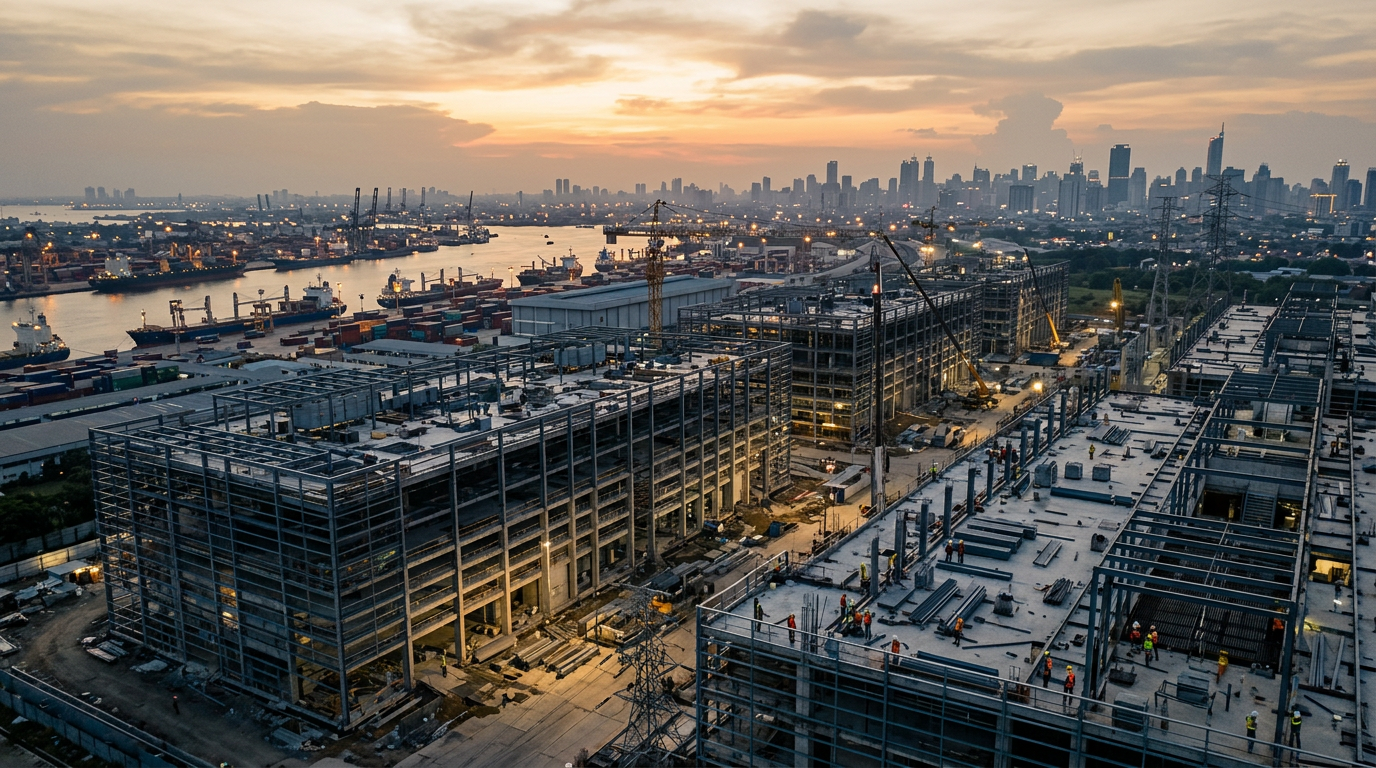
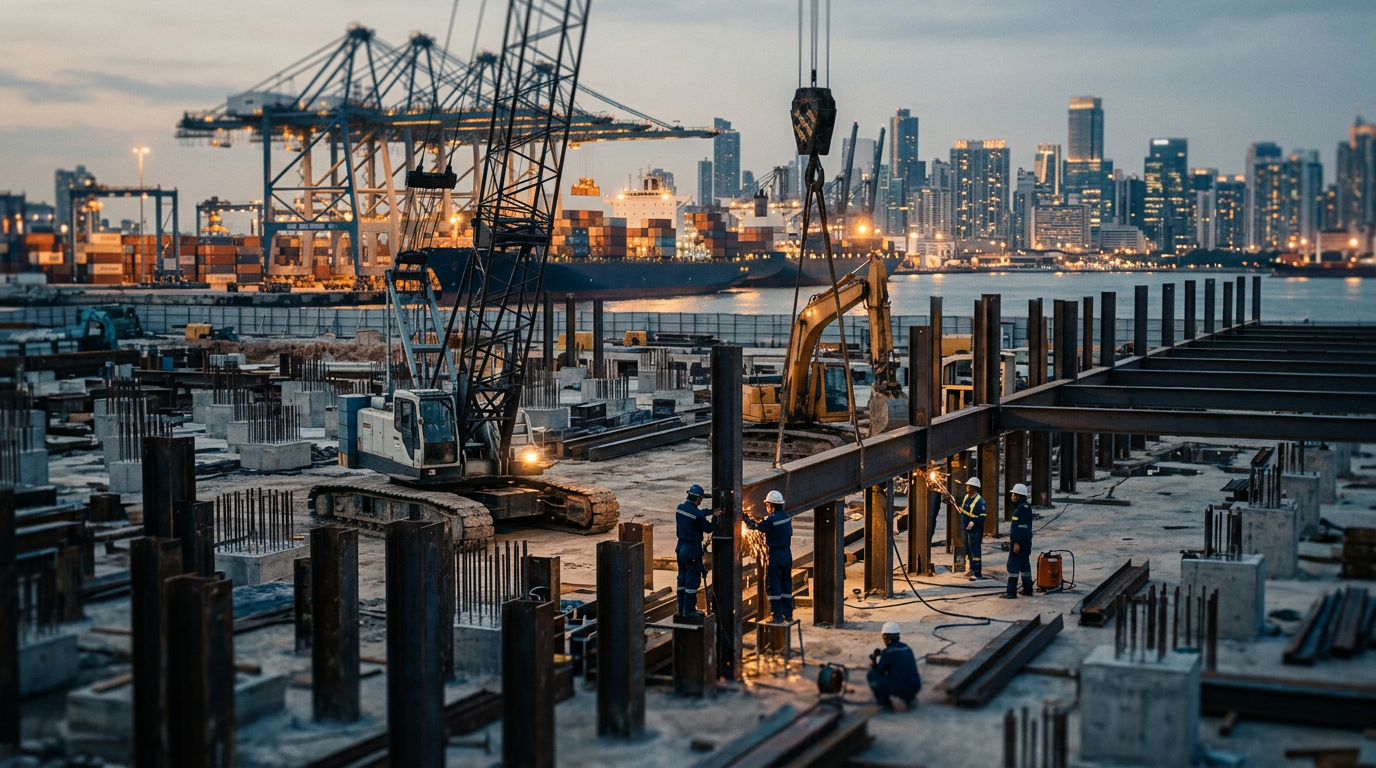
Foreign Direct Investment (FDI) announcements are often met with fanfare, signaling confidence in an economy's prospects. However, these headlines represent intent, not reality. The process of converting a pledged investment into an operational project is where the hard work begins. "FDI announcements travel quickly," but as ASEAN Rising points out, "Realised flows depend on the slower work of land, permits, power and talent reaching the ground." This is the core challenge for all ASEAN members. Investors must navigate a thicket of regulations, secure land rights, ensure reliable access to electricity, and find a workforce with the right skills. Each step is a potential bottleneck that can delay or derail a project. Strengthening the institutional machinery to smooth this process is the primary task for policymakers.
Capital and Infrastructure
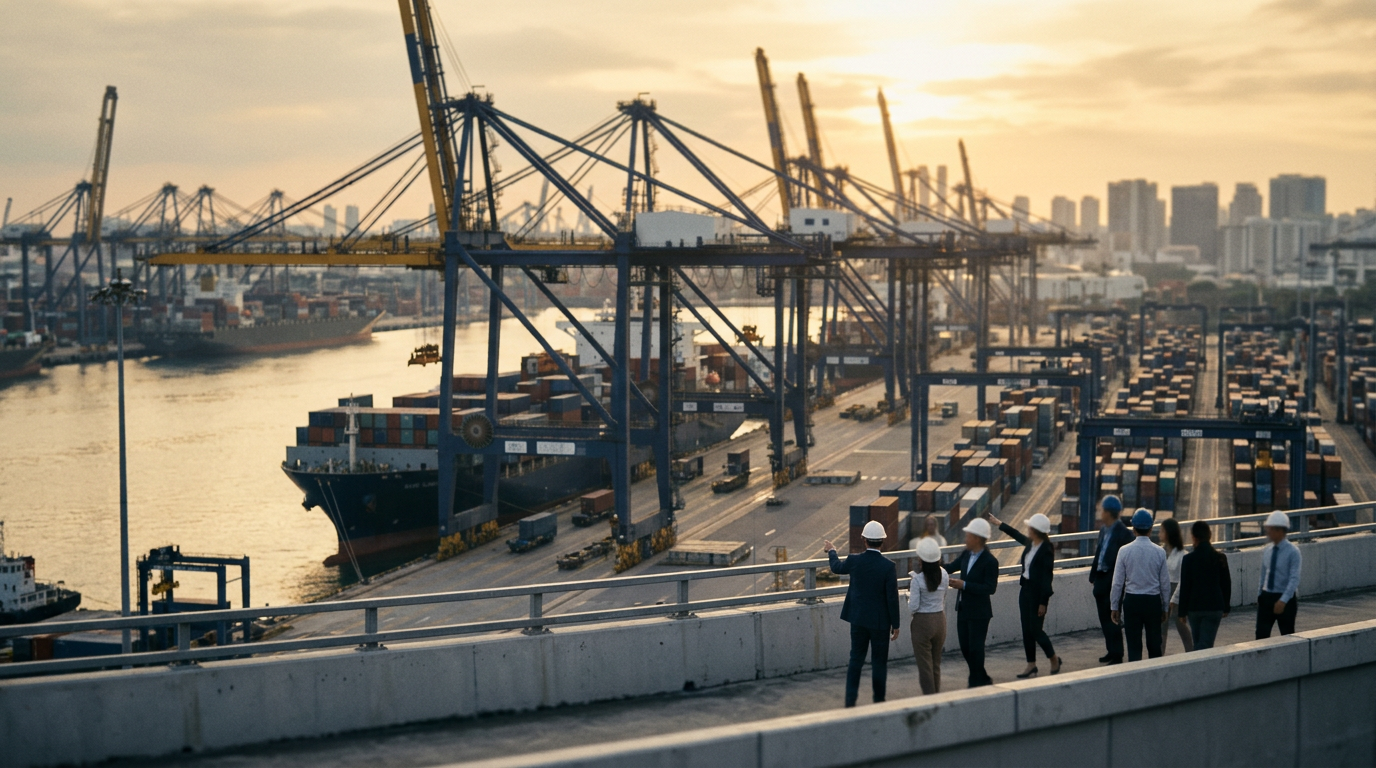
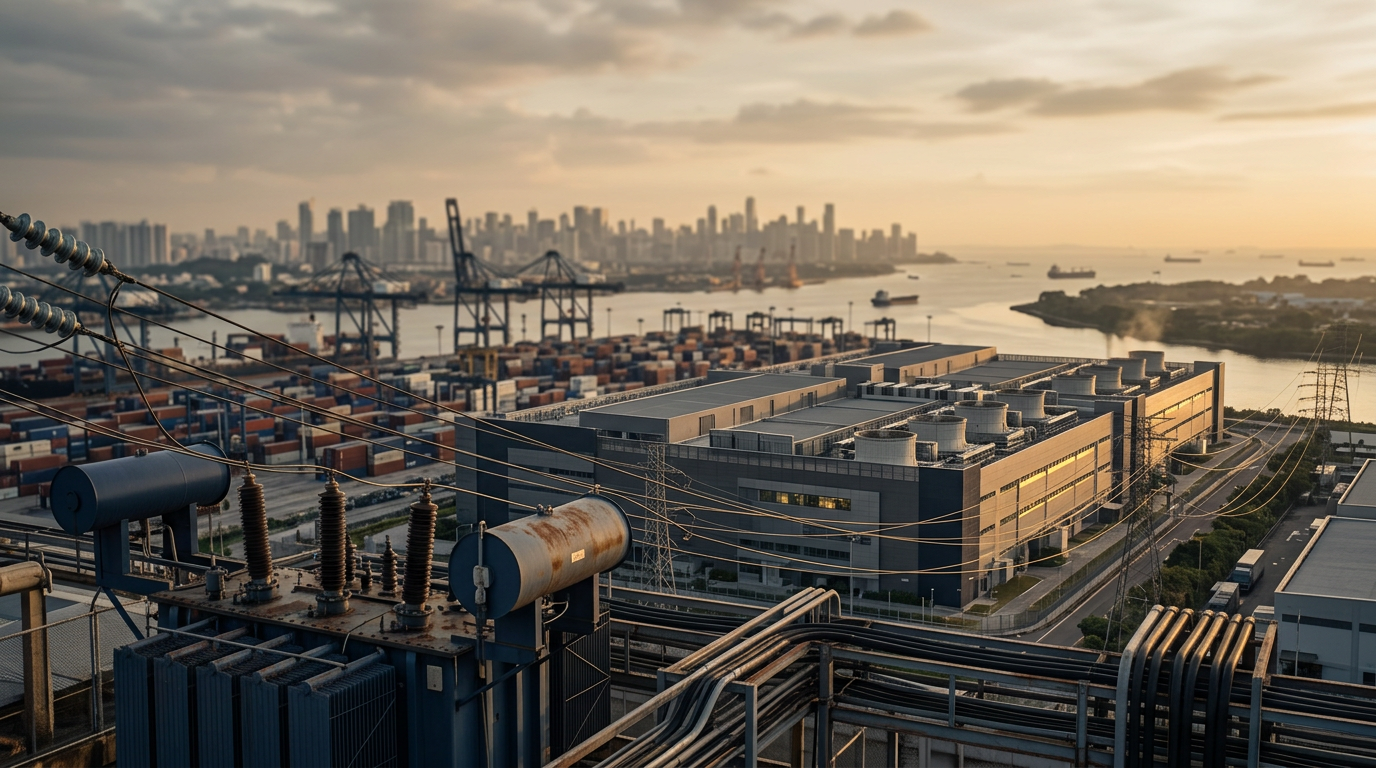
Attracting and, more importantly, absorbing large-scale investment requires robust physical and institutional infrastructure. Capital flows to where it can be efficiently deployed. For ASEAN, this means not only building roads, ports, and power grids but also creating the soft infrastructure of efficient bureaucracies, clear legal systems, and effective dispute resolution mechanisms. The discussions at the AEM and AIA Council meetings are part of this long-term project. By harmonizing rules and encouraging best practices, ASEAN aims to lower the friction that impedes the flow of capital from announcement to execution. The goal is to ensure that when a company decides to invest in the region, the path to breaking ground is as clear and swift as possible.
What to watch: The key indicator of progress will not be the volume of FDI announcements, but the change in the ratio of realised to announced FDI across the ASEAN region. A sustained increase in this ratio would signal a meaningful improvement in the institutional capacity to absorb capital. Also, observe the specific, technical amendments to agreements like ACIA and whether they are followed by corresponding changes in national-level regulations and administrative procedures that directly address investor pain points.