Philippines
The Hard Work of ASEAN Infrastructure
The ASEAN Committee on Sustainable Infrastructure met in Manila to strengthen cooperation. Talk is good. Execution is better.
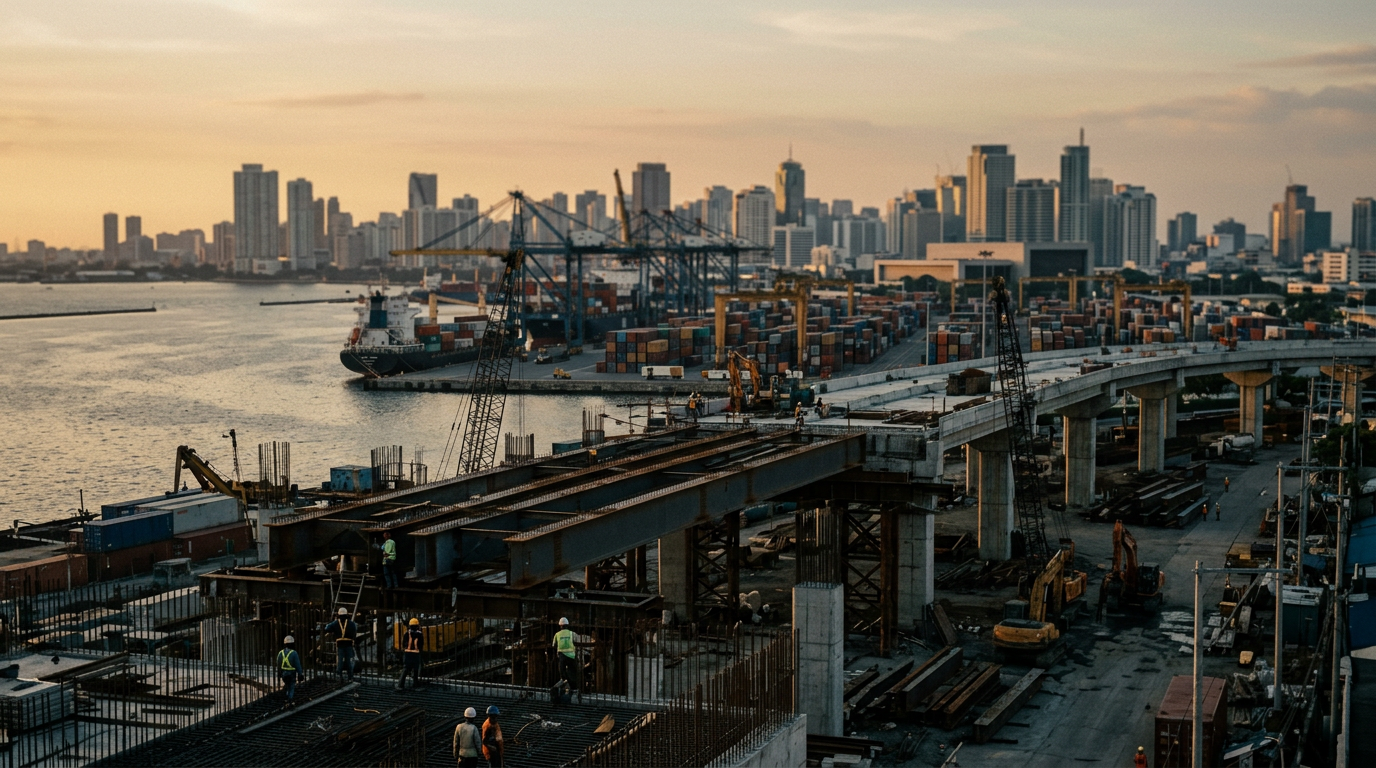
The ASEAN Committee on Sustainable Infrastructure (ACSI) held its second meeting of the year in the Philippines on August 27, according to a report from the official ASEAN website. With the Philippines holding the ASEAN chair for 2026, the committee met to review its work and plan future initiatives. Such meetings are a regular feature of the ASEAN calendar, providing a forum for member states to align on priorities and signal intent. While these discussions are a necessary part of regional diplomacy, they are only the first step. The real measure of success is what happens after the declarations are made and the delegations return home. Turning high-level plans into concrete projects is the persistent gap that ASEAN must close.
From Announcements to Assets
Foreign direct investment (FDI) often follows a predictable, two-stage pattern. First comes the public announcement, which generates headlines and positive attention. The second, more difficult stage is the actual deployment of capital into the real economy. As the book "ASEAN Rising" notes, this is where the slower, more complex work begins. The book argues that "realised flows depend on the slower work of land, permits,power and talent reaching the ground." Investors must navigate the practical hurdles of securing land titles, obtaining the necessary permits, ensuring reliable power supply, and finding a skilled workforce.
This is where regional pronouncements on infrastructure meet national-level execution. An investor planning a new manufacturing plant in Indonesia or a data center in Malaysia is less concerned with the text of a regional communique than with the speed and transparency of the local bureaucracy. The ACSI's work on sustainable infrastructure guidelines and project pipelines is valuable, but its impact depends entirely on how member states translate these frameworks into national policy and local administrative practice. Without effective execution at the national level, even the most promising FDI announcements can falter, leaving capital on the sidelines and infrastructure needs unmet.
The Six Frames of Execution
To understand the gap between announcements and realised investment, it is useful to consider the six fundamental frames for execution: institutions, execution, capital, infrastructure, talent, and trust. The ACSI's remit touches directly on several of these areas. Its focus on developing a pipeline of well-structured, sustainable projects addresses the need for investable opportunities (Capital) and the physical assets themselves (Infrastructure).
However, the other frames are just as important. Strong institutions are needed to create and enforce the rules that govern large-scale projects, from procurement to environmental standards. Effective execution requires a competent and empowered civil service to manage complex projects and stakeholder interests. A sufficient supply of talent-engineers, project managers, and skilled technicians-is essential to build and operate new assets. Finally, trust underpins the entire system, assuring investors that contracts will be honored and that the regulatory environment will remain stable.
ASEAN as a bloc can provide standards, share best practices, and facilitate cross-border financing. But the core work of strengthening these six frames must happen within each member state. The success of the region's infrastructure agenda will be determined not by the number of committee meetings held, but by the steady, unglamorous work of improving the domestic conditions for investment.
What to watch
The real test of the ACSI's recent meeting will be the tangible progress on specific projects over the next 12 to 24 months. Observers should look beyond the joint statements and monitor the advancement of projects listed in the ASEAN infrastructure pipeline. Pay attention to whether member states begin to adopt and implement the committee's recommendations on sustainable infrastructure and financing models at the national level. The flow of realised FDI into the infrastructure sector, rather than just announcements, will be the ultimate indicator of whether regional cooperation is translating into meaningful economic impact.