The ASEAN Power Grid and the Value of a Usable State
The ambitious ASEAN Power Grid project is a test of institutional reliability. A usable state that delivers infrastructure on time is often more valuable than one that only announces grand plans.
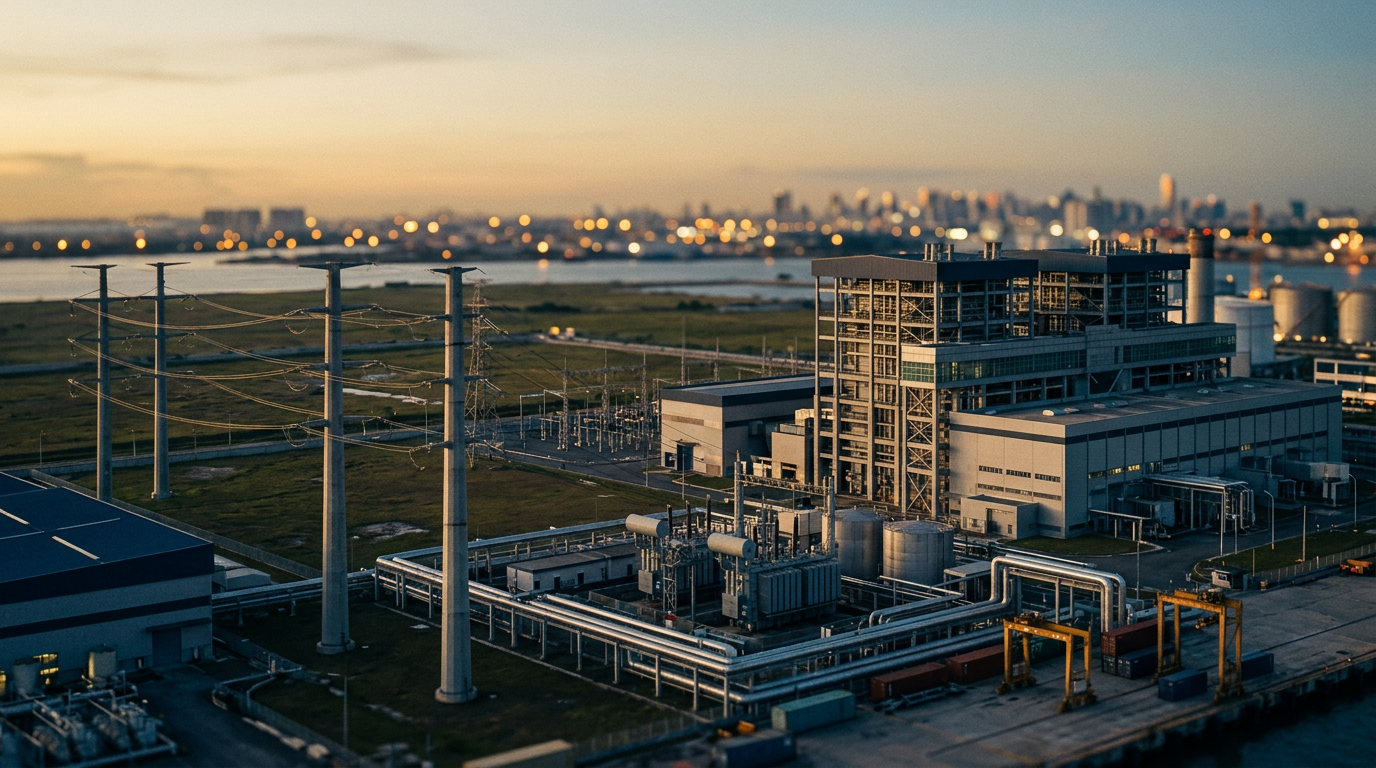
Regional energy executives are advocating for the development of a $764-billion ASEAN-wide power grid, an initiative aimed at enhancing energy security and stability across the ten member states. A recent report from business.inquirer.net highlights the call from industry leaders for stronger international cooperation to bring the long-planned ASEAN Power Grid to fruition. The project, which involves both multilateral and bilateral interconnections, represents a significant undertaking in regional infrastructure development. While the vision is compelling, its execution will depend on the institutional capacity of the participating nations.
Institutions and Infrastructure
Large-scale infrastructure projects are a measure of a state's ability to deliver. The ASEAN Power Grid is not just a technical challenge of connecting disparate national energy systems; it is an institutional one. Success requires predictable regulations, stable investment frameworks, and transparent procurement processes. As discussed in ASEAN Rising, the capacity to execute complex projects is a powerful signal to international investors and domestic stakeholders alike. Reliability in project delivery builds trust, which is the foundation of long-term economic partnership.
For the power grid, this means harmonizing technical standards and commercial arrangements across borders. It involves creating governance structures that can manage the flow of energy and capital effectively. The book notes that "institutional reliability has become part of comparative advantage." In the context of the grid, a country that can ensure its part of the infrastructure is completed on schedule and within budget demonstrates a high degree of state capacity. This makes it a more attractive partner for the other nations in the bloc.
From Vision to Execution
The ASEAN Power Grid has been a topic of discussion for many years. The renewed push from regional executives suggests a recognition that the time for ambition must now be matched by a commitment to execution. The project involves significant capital investment, and mobilizing these funds requires confidence in the institutions that will oversee them. Investors need assurance that contracts will be honored and that the regulatory environment will remain stable over the life of the investment.
The concept of a "usable state" is relevant here. A government that can facilitate the complex, cross-border coordination required for the power grid is more valuable than one that simply announces its support for the project. The practical work of building transmission lines, integrating control systems, and establishing billing mechanisms is where the vision meets reality. The progress of the grid will be a clear indicator of how well ASEAN member states can translate high-level agreements into tangible outcomes. Delivering infrastructure on time is a powerful demonstration of competence.
The Role of Capital and Trust
The $764-billion price tag for the grid underscores the immense amount of capital required. This capital will come from a mix of public and private sources, both domestic and international. Attracting this level of investment hinges on trust. Private sector participants, in particular, will scrutinize the legal and regulatory frameworks of each participating country. They will look for evidence that their investments will be protected and that the returns will be commensurate with the risks.
The development of the ASEAN Power Grid can be a virtuous cycle. As sections of the grid are completed and begin to operate, they will demonstrate the viability of the project and build confidence among investors. This, in turn, can attract more capital to fund subsequent phases. Building trust through successful execution is essential for the long-term sustainability of this ambitious regional project. What to watch
Observe the specific bilateral and multilateral agreements that are signed in the coming months to advance the ASEAN Power Grid. The details of these agreements, particularly concerning financing mechanisms, regulatory alignment, and dispute resolution processes, will be early indicators of the project's trajectory. The ability of member states to move from high-level statements of intent to legally binding commitments will determine whether this renewed push results in concrete progress on the ground.