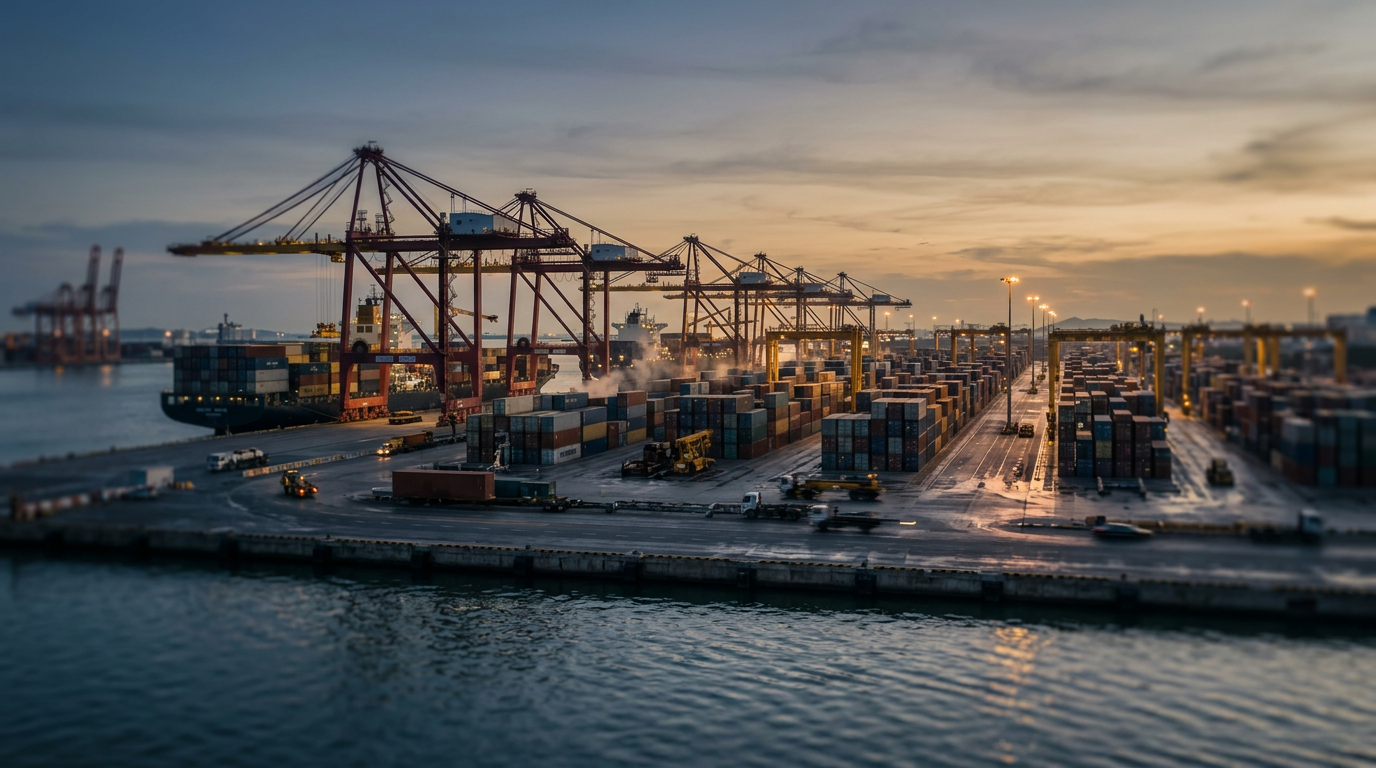
Thailand
An award for Chevron in Thailand for reusing an oil platform highlights a wider theme: in Southeast Asia, the ability to execute complex infrastructure projects is a vital part of national competitiveness.
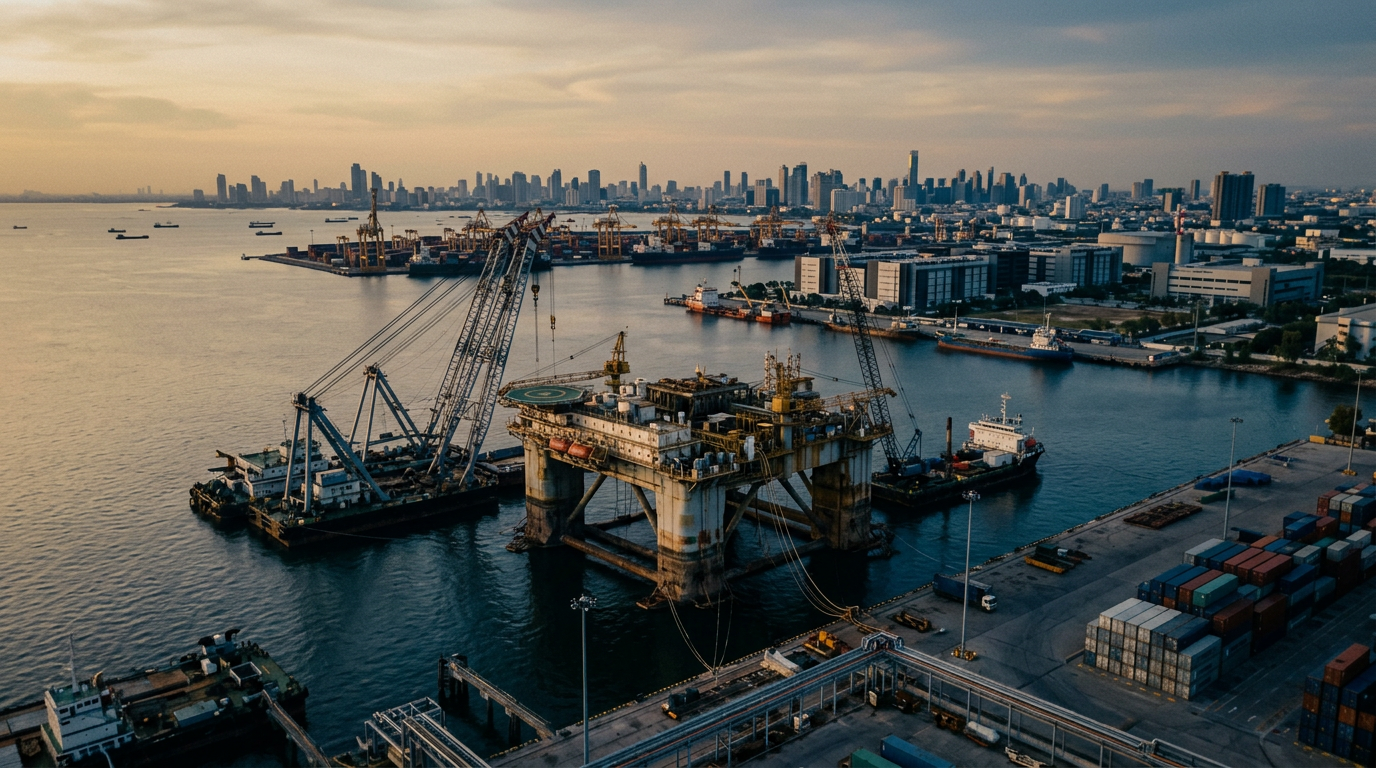
An award for Chevron in Thailand for an offshore platform reuse project is a small but telling signal about the country'''s infrastructure capabilities. As reported in the Bangkok Post, the company was recognized for its '''Total Wellhead Platform Reuse project''' at the SPE Thailand E&P Awards. While seemingly a niche industrial achievement, it touches on a central theme of economic development in Southeast Asia: the capacity to deliver. The ability to not just announce but to execute complex infrastructure projects is a core element of competitive advantage.
Institutions and Execution
The reuse of a wellhead platform is a complex undertaking. It involves decommissioning, transport, and recommissioning of a significant piece of industrial hardware. Success in such a project demonstrates high levels of technical skill, regulatory competence, and logistical capacity. These are not trivial matters. For foreign and domestic investors alike, the presence of a reliable ecosystem for execution is a powerful incentive.
This is where institutional quality becomes a tangible asset. As explored in ASEAN Rising, the quiet, consistent work of state institutions is often more valuable for long-term growth than bold but unrealized pronouncements. An effective bureaucracy that can manage permits, oversee standards, and coordinate between public and private sectors makes complex industrial projects possible. The Chevron award points to the existence of this capacity in Thailand's energy sector. It suggests a mature institutional environment where innovation and efficiency can be realized in practice, not just in theory. This reliability is a form of infrastructure in itself.
From Ambition to Asset
Across ASEAN, governments have announced ambitious infrastructure development plans. These range from high-speed rail lines and new ports to expanded airports and digital networks. The headline figures are often impressive, running into the hundreds of billions of dollars. Yet, the real measure of success is not the scale of the ambition but the rate of completion. "Infrastructure that arrives on time signals more than infrastructure that is merely announced."
Projects that are completed and become operational begin to generate economic returns. They lower the cost of friction for businesses, connect markets, and improve productivity. An industrial project like Chevron'''s, which extends the life of existing assets and presumably does so in a cost-effective manner, is a small-scale example of this principle. It is a tangible addition to the country'''s productive capital base. The ability to execute such projects repeatedly, across various sectors, is what separates nations that are building future-proof economies from those still drafting blueprints.
What to watch: The key indicator for Thailand and its neighbors will be the ratio of completed to announced infrastructure projects over the next five years. Observers should also monitor the degree to which regulatory frameworks in sectors like energy, transport, and digital technology are streamlined to support execution. The ability to maintain and upgrade existing assets, as seen in the Chevron project, will be as important as the construction of new ones.