Vietnam
State Capacity on Display in Vietnam's Lam Dong Province
Lam Dong province in Vietnam is putting state capacity on display, with a focus on executing infrastructure projects that can serve as a foundation for economic growth.
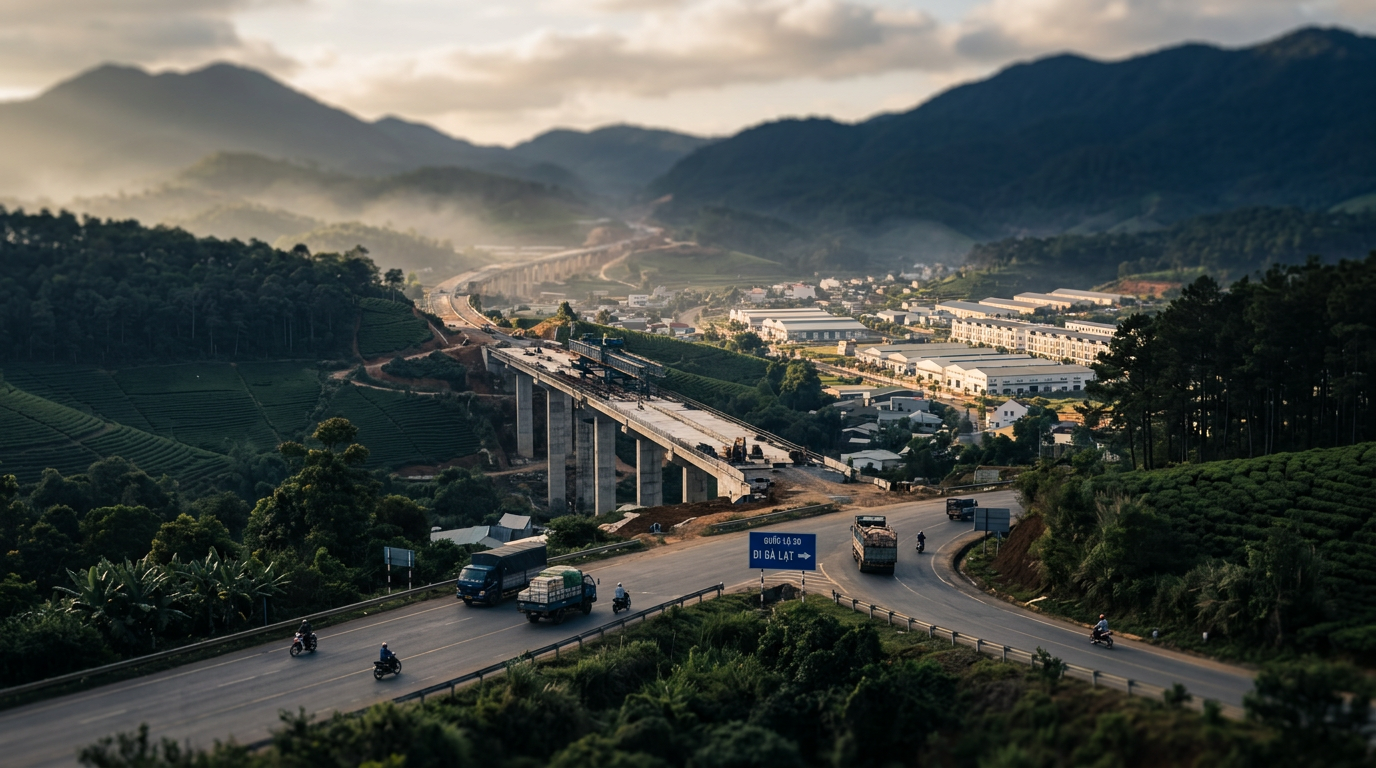
Lam Dong province is investing in transport infrastructure to underpin its economic growth, according to a recent report from The Star. Following recent administrative changes, the province is now Vietnam's largest by area. The provincial government is prioritizing the development of key transport routes to improve connectivity and attract investment, viewing infrastructure as a direct foundation for its socio-economic development goals.
This focus on execution over proclamation reflects a broader theme across Southeast Asia. The ability to deliver tangible projects is becoming a key differentiator for governments in the region. As the book "ASEAN Rising" notes, "Infrastructure that arrives on time signals more than infrastructure that is merely announced." The credibility that comes from successfully completed projects can be more valuable for attracting long-term capital than ambitious plans that remain on paper.
Institutions and Execution
The developments in Lam Dong are a practical illustration of state capacity. The province is not merely announcing new projects but is actively working to complete expressways and national highways. This includes allocating significant budget resources and managing the complex logistics of large-scale construction. This demonstrates a functioning administrative apparatus capable of translating policy into physical reality.
Effective project execution is a powerful signal to domestic and international investors. It suggests a level of institutional reliability that reduces perceived risk. When governments can deliver on their promises, it builds confidence in the broader investment climate. This reliability extends beyond transport to other areas like energy, digital infrastructure, and urban development. A government that can build a road on schedule is also more likely to provide a stable regulatory environment and enforce contracts, which are fundamental requirements for private sector investment.
Capital and Infrastructure
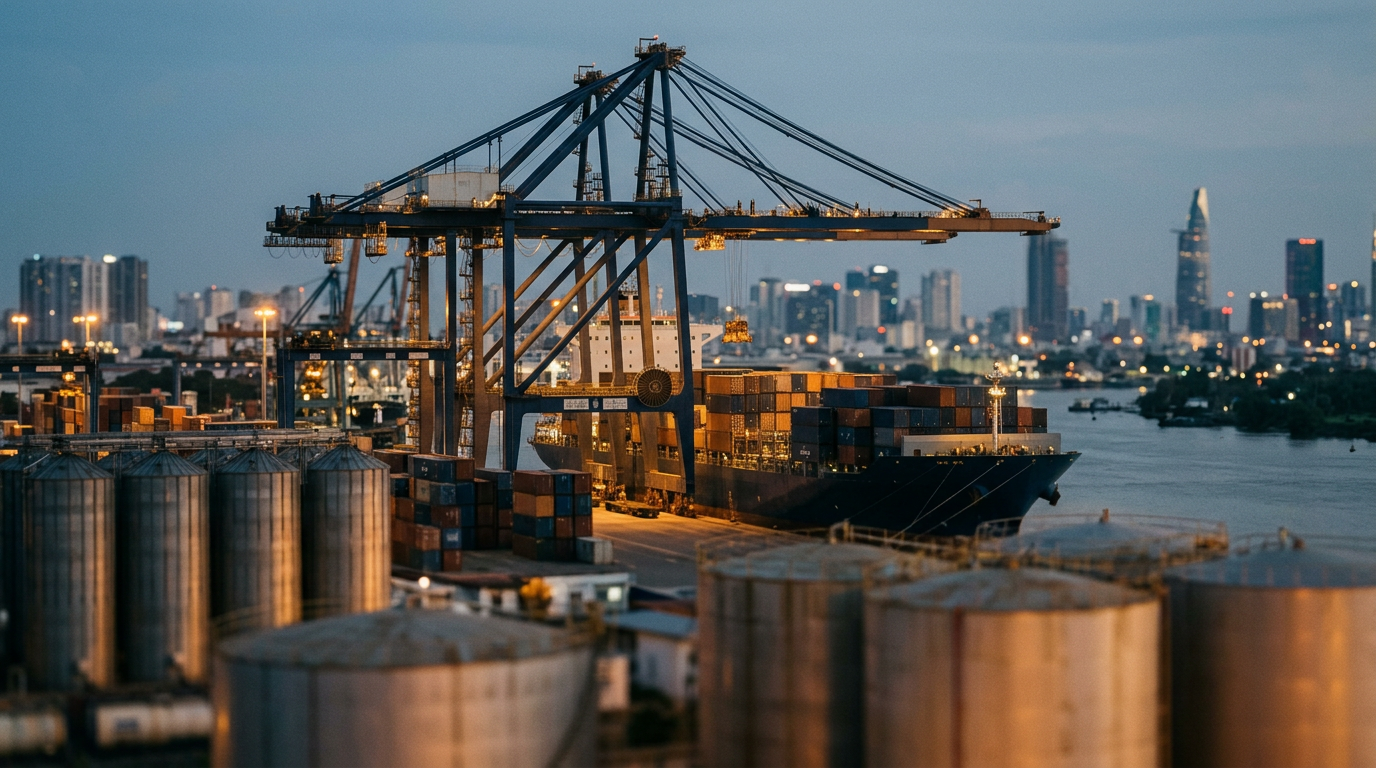
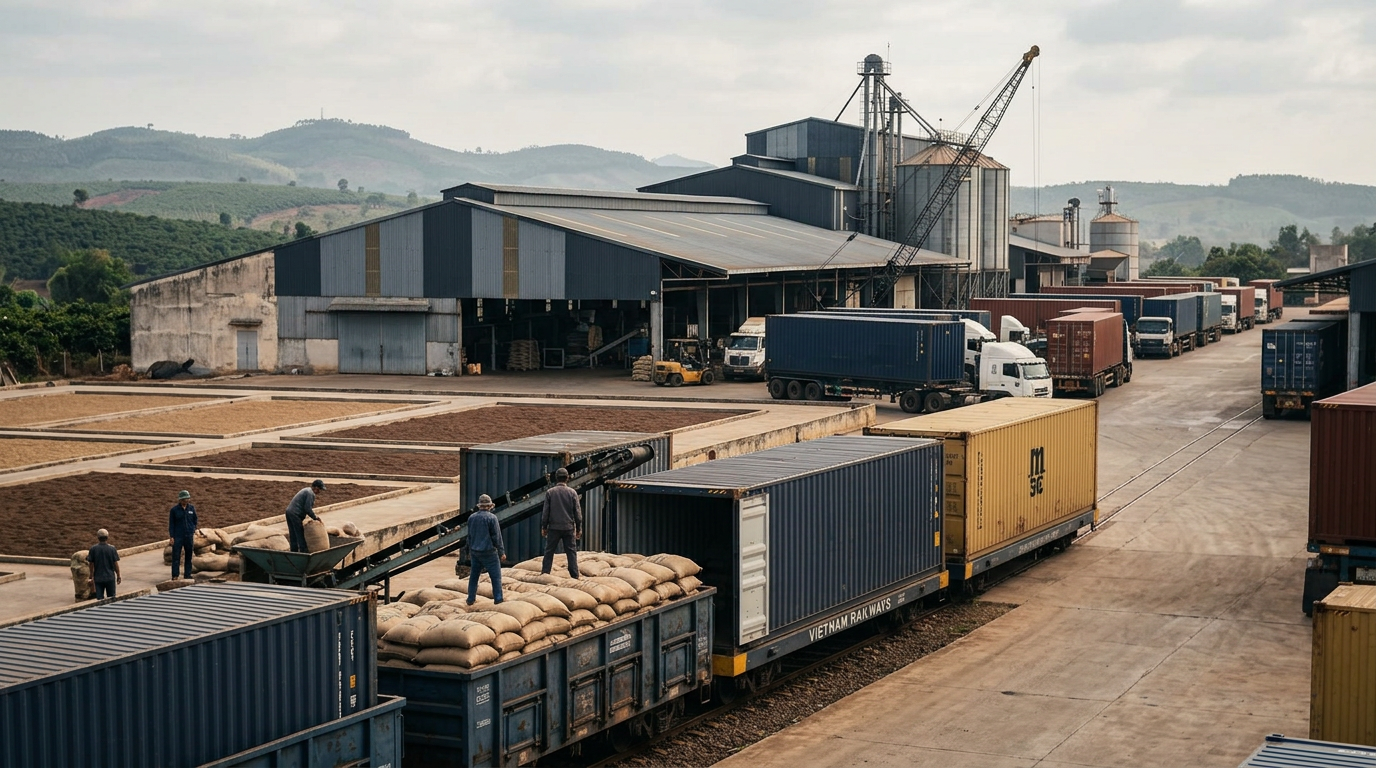
Infrastructure development and capital attraction are closely linked. Lam Dong's strategy is to use public investment in transport to crowd in private capital for tourism, agriculture, and industry. Better roads lower the cost of doing business, making the province a more attractive destination for investment. Improved connectivity links the agricultural highlands to coastal ports and major urban centers, opening up new markets for the province's goods.
This approach is representative of a wider trend in ASEAN, where national and sub-national governments are using strategic infrastructure projects to compete for investment. The availability of reliable power, water, and transport is a primary consideration for any company looking to build a factory or establish a service hub. By demonstrating its ability to build and maintain this foundational infrastructure, Lam Dong is improving its comparative advantage. The value proposition is not just the potential of the region, but the demonstrated ability of its institutions to create an environment where businesses can thrive.
What to watch
Watch the progress of the specific expressway projects mentioned, such as the Dau Giay-Lien Khuong and Tan Phu-Bao Loc routes. Their completion on schedule and within budget will be a key indicator of Vietnam's state capacity. Also, monitor how this new infrastructure translates into private investment inflows into Lam Dong's tourism and high-tech agricultural sectors over the next few years. The province's ability to leverage these transport links for tangible economic diversification will be the ultimate measure of the strategy's success.