Philippines
Philippine Trade Deficit Highlights ASEAN-China Trade Dynamics
A widening trade deficit in the Philippines illustrates a deeper structural issue for ASEAN: managing economic dependency on China while maintaining strategic flexibility.
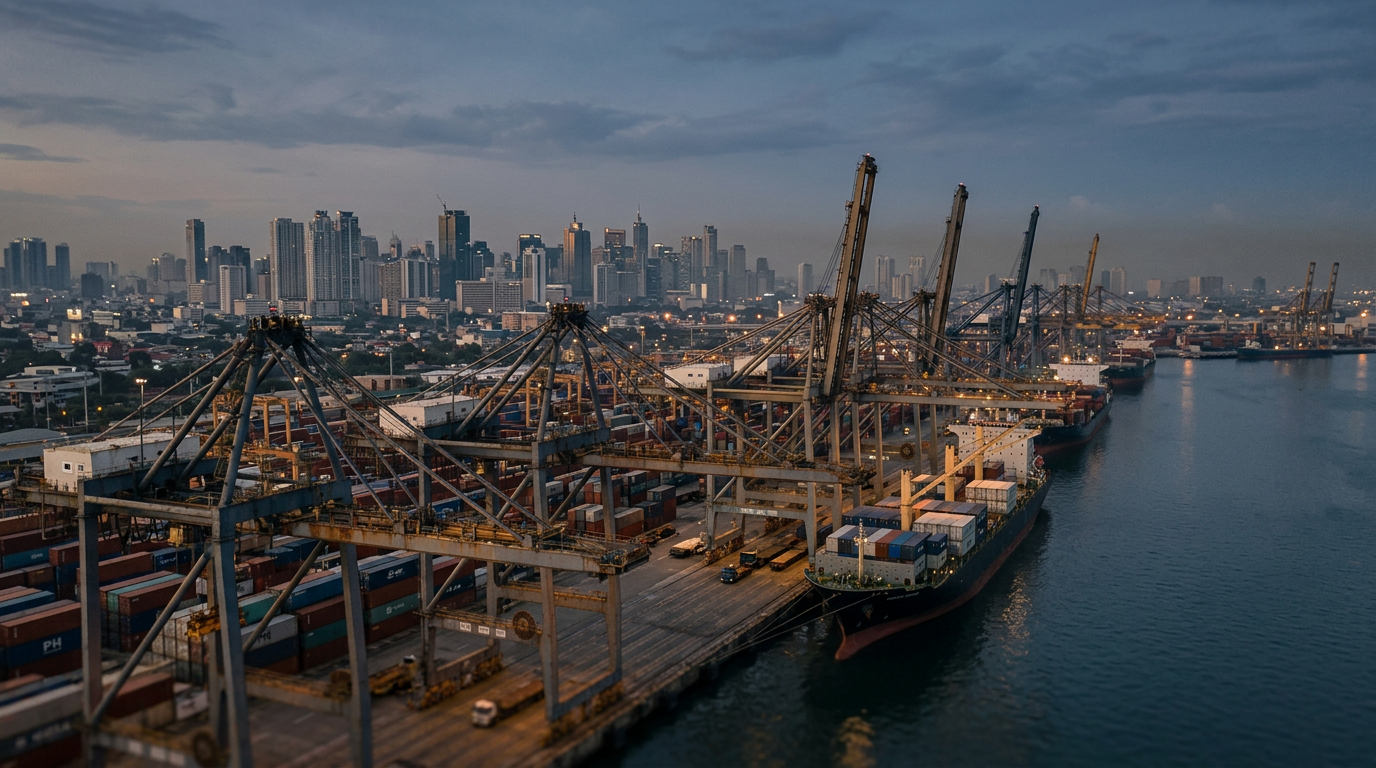
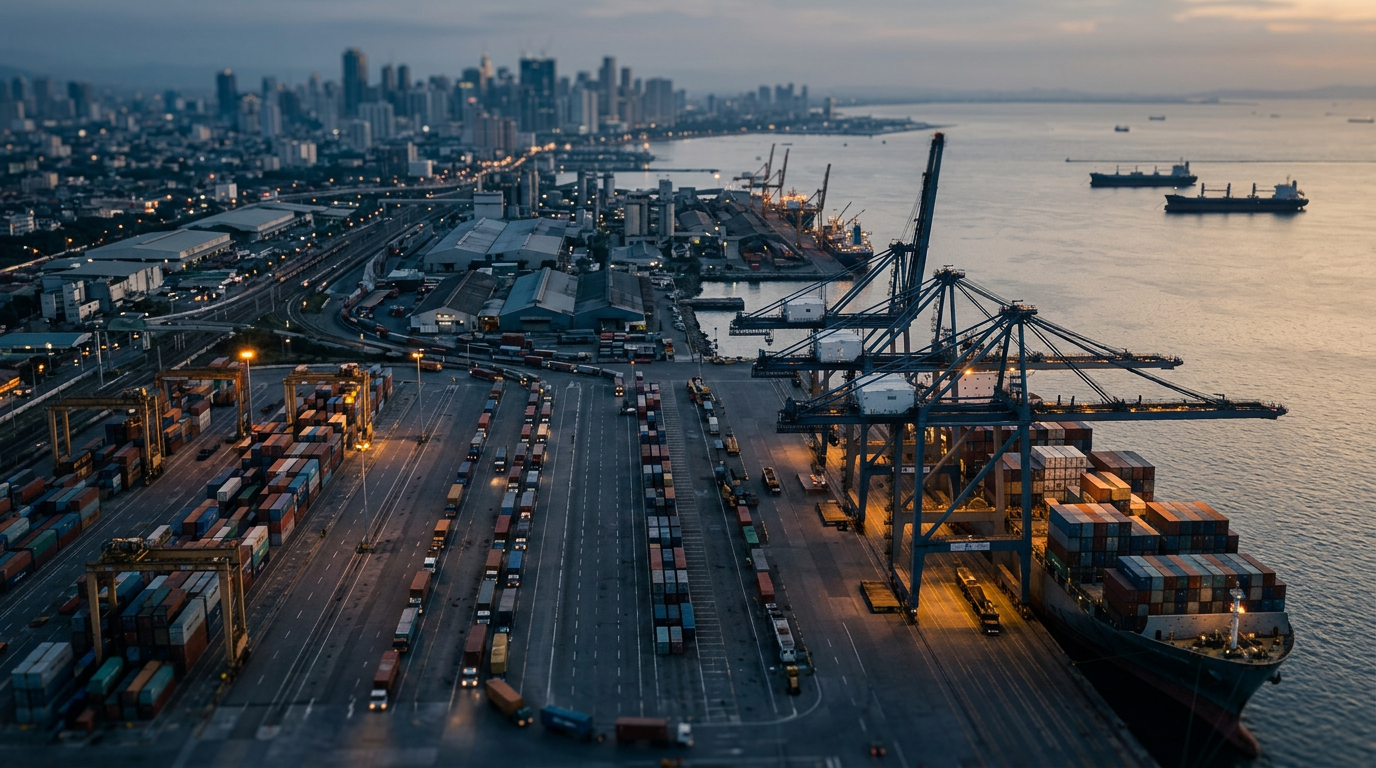
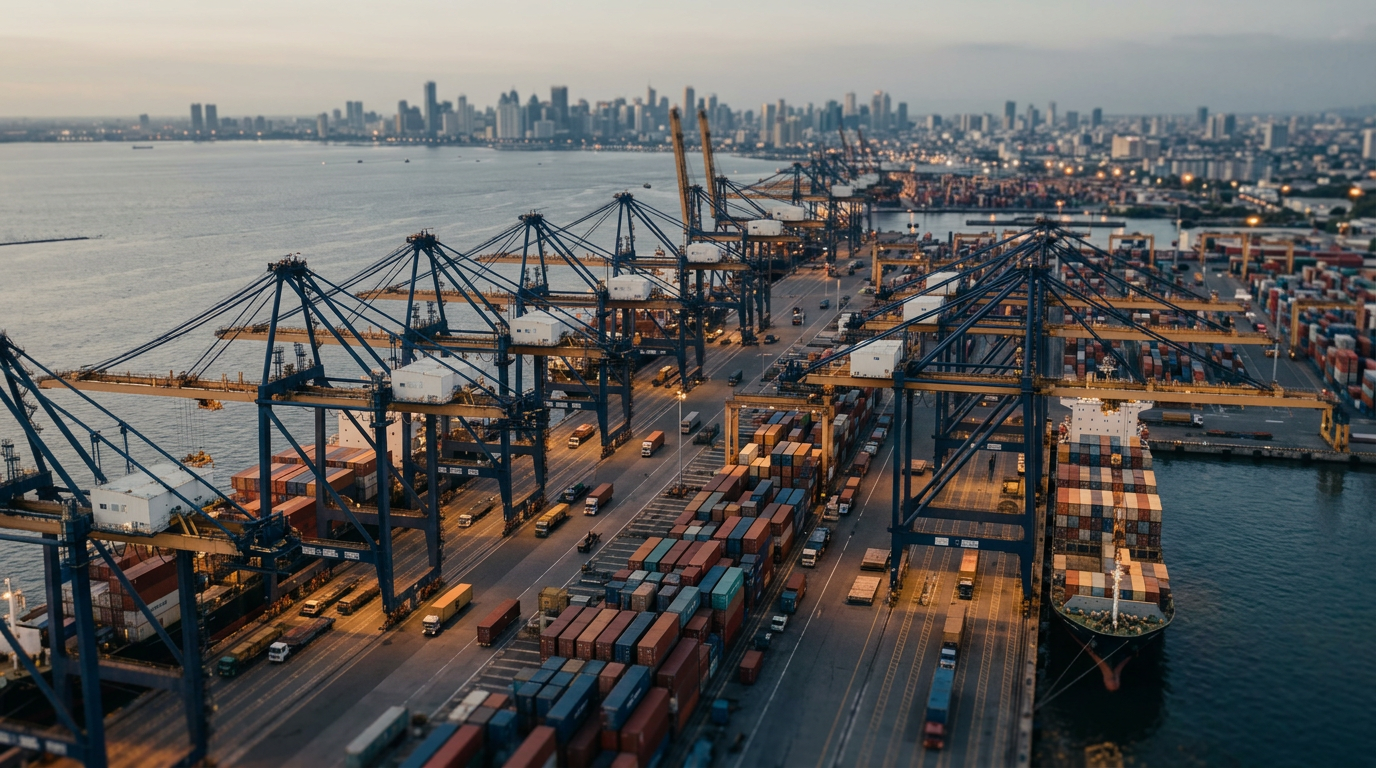
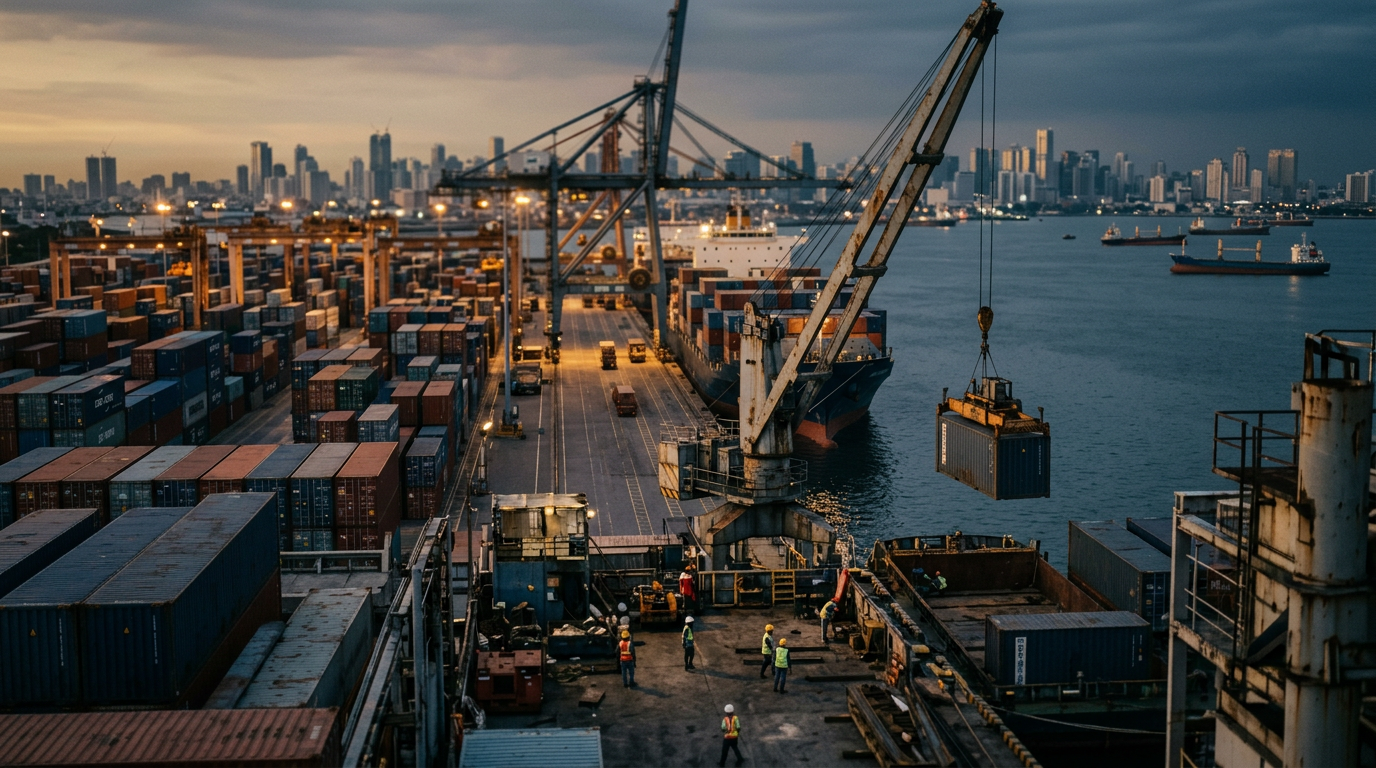
Manila's trade deficit widened to $5.97 billion in July, a development reported by philstar.com, as import growth outpaced exports. This specific event in the Philippines is a clear data point that reflects a much broader and more permanent structural condition for the entire ASEAN bloc: the deep, complex, and asymmetric trade relationship with China.
The Gravity of Trade
The economic architecture of Southeast Asia is increasingly influenced by China. For countries like the Philippines, the trade balance is not just a set of numbers but a reflection of national industrial capacity, consumer demand, and international supply chains. When imports, a significant portion of which are sourced from China, grow faster than exports, it signals a dependency on external production for both consumer goods and industrial inputs. This situation is not unique to the Philippines; it is a recurring pattern across most ASEAN member states.
As detailed in ASEAN Rising, this "trade depth with China is now a structural feature, not a cyclical one." The sheer scale of China's manufacturing capacity and its proximity to Southeast Asia make it a natural, almost gravitational, trading partner. This integration brings benefits, such as access to affordable goods and a massive market for ASEAN's raw materials and agricultural products. However, it also creates vulnerabilities, as a slowdown in China can dampen regional growth, and an over-reliance on Chinese imports can stifle the development of domestic industries.
Managing Dependency
The central issue for ASEAN governments is no longer about choosing whether to trade with China, but about how to manage the resulting economic relationship. The goal is to maximize the benefits of trade while mitigating the risks of dependency. This involves a sophisticated balancing act that touches upon national policy in areas like industrial development, infrastructure, and foreign relations.
Effective management requires building institutional capacity to negotiate favorable trade terms and ensure a level playing field. It also means investing in infrastructure-both physical and digital-to improve domestic connectivity and reduce the logistical costs that can make imports more competitive than locally produced goods. Furthermore, it necessitates a focus on talent development to move local economies up the value chain, from exporting raw commodities to producing higher-value finished goods. The success of this strategy is contingent on trust, both in the domestic institutions implementing these policies and in the reliability of regional and international partners.
What to watch: Observers should monitor how the Philippine government and its ASEAN counterparts respond to these trade imbalances. Policy shifts regarding industrial strategy, efforts to diversify trade partnerships beyond China, and investments in domestic value-chain capabilities will indicate how the region is navigating its managed dependency. The degree to which ASEAN countries can coordinate their approaches to trade with Beijing, rather than competing against each other, will also be a significant factor in shaping the bloc's collective economic future.