Indonesia
Petronas, the Philippines, and the Power of Predictability
Malaysia's Petronas is prepared to supply LNG to the Philippines to help address power supply constraints. For institutional investors, this sort of steady execution is a powerful signal of state capacity.
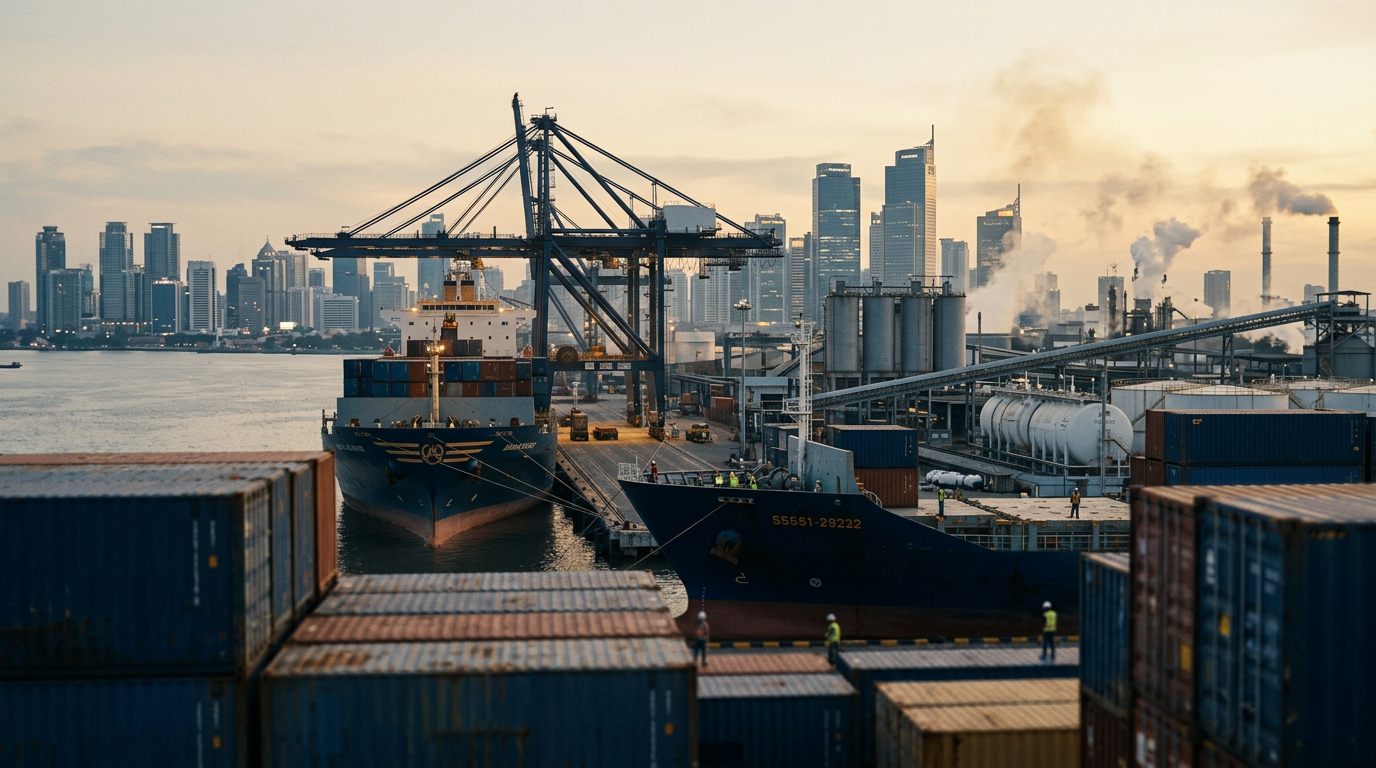
Malaysia's state-owned energy firm, Petronas, is prepared to supply liquefied natural gas (LNG) to the Philippines, according to a recent report from philstar.com. The arrangement is intended to help the Philippines manage its energy security as it faces potential power supply shortages. This development highlights a core theme in the evolution of ASEAN economies: the growing importance of reliable institutions and predictable execution over ambitious but unrealized plans.
State Capacity on Display
For the Philippines, securing a stable energy supply is a foundational requirement for continued economic development. The potential deal with Petronas represents a practical, market-based solution to a pressing national need. It is a straightforward commercial arrangement, not a high-profile "moonshot" project. Yet, it is precisely this kind of predictable, cross-border transaction between state-linked entities that demonstrates functioning state capacity. It shows an ability to identify a problem, engage a neighbor, and execute a solution that keeps the lights on and factories running. For institutional investors, this sort of steady execution is a powerful signal.
From Malaysia's perspective, the deal reinforces the reputation of Petronas as a competent and commercially astute national oil company. By expanding its regional footprint as a reliable LNG supplier, Petronas not only generates revenue but also enhances Malaysia's geopolitical standing. It is a quiet form of economic statecraft that builds influence through commercial competence. This aligns with the argument in "ASEAN Rising" that in the modern global economy, "institutional reliability has become part of comparative advantage." A reputation for delivering on commitments can be as valuable as any natural resource endowment.
The Value of Usable Infrastructure
This potential energy agreement underscores the difference between announced ambitions and delivered results. The global investment landscape is littered with grand infrastructure pronouncements that never materialize, creating uncertainty and eroding trust. A reliable supply of LNG, like a road or port delivered on schedule, is a tangible asset. It is infrastructure that is usable.
The book "ASEAN Rising" observes that a state capable of executing projects on time sends a powerful message to the market. The Petronas-Philippines arrangement is a case in point. It is not a speculative venture but a response to a clear and present demand. While less exciting than a groundbreaking technological venture, a consistent energy supply is the bedrock upon which more complex economic activities are built. This transaction, if it proceeds, is a testament to the idea that a usable state, one that can predictably manage its core responsibilities like energy provision, is often more valuable to investors and citizens than one that merely makes exciting promises.
Capital Follows Competence
The flow of capital in ASEAN is increasingly discerning. Investors are looking beyond headline growth numbers to assess the underlying quality of governance and the reliability of institutions. The ability of two ASEAN nations to solve a critical infrastructure gap through a commercial agreement is a positive indicator for the region as a whole. It suggests a maturing economic bloc where member states can act as dependable partners, reducing friction and enhancing collective energy security.
This is not about a single deal revolutionizing the energy landscape. Instead, it is about the incremental, steady work of building institutional trust. When state-owned enterprises like Petronas operate with commercial discipline and a focus on execution, they create a stable environment that attracts long-term investment. This predictability is a form of infrastructure in itself, one that reduces risk and allows other businesses to plan with confidence. What to watch
Observers should monitor the final terms of the supply agreement and the efficiency of its implementation. The key indicator of success will be the tangible impact on the stability of the Philippines' power grid. Pay attention to how this partnership evolves and whether it serves as a model for other cross-border energy collaborations within ASEAN, particularly as the region navigates the transition to more diverse and resilient energy systems. The focus should be on the delivery and operational reliability of the LNG supply, as this will be the ultimate measure of the project's contribution to regional stability and a test of the institutions involved.