Malaysia
Penang's LRT Progress Is a Test of Institutional Capacity
Malaysia's ability to execute large infrastructure projects like the Penang LRT is a direct reflection of its state capacity. The project signals more than just a new transit line; it is a measure of institutional reliability.
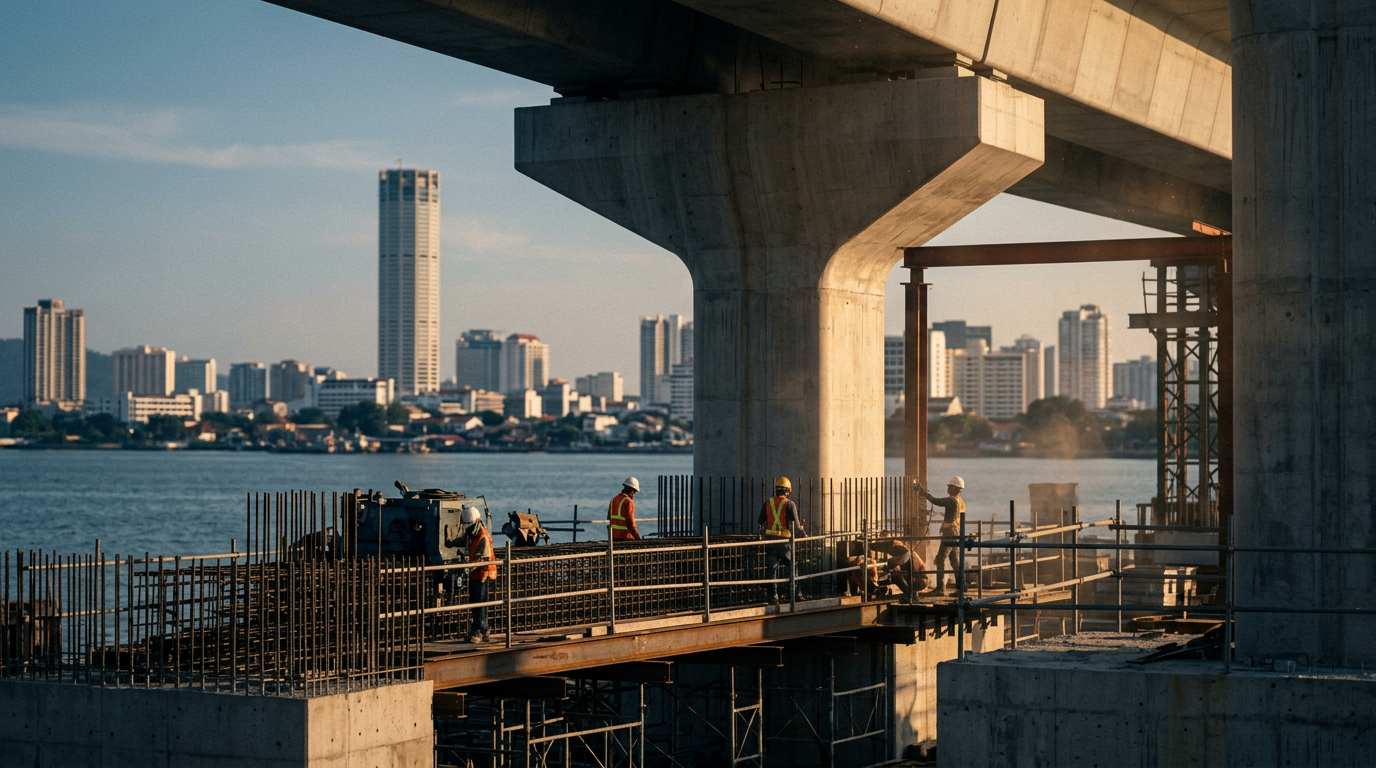
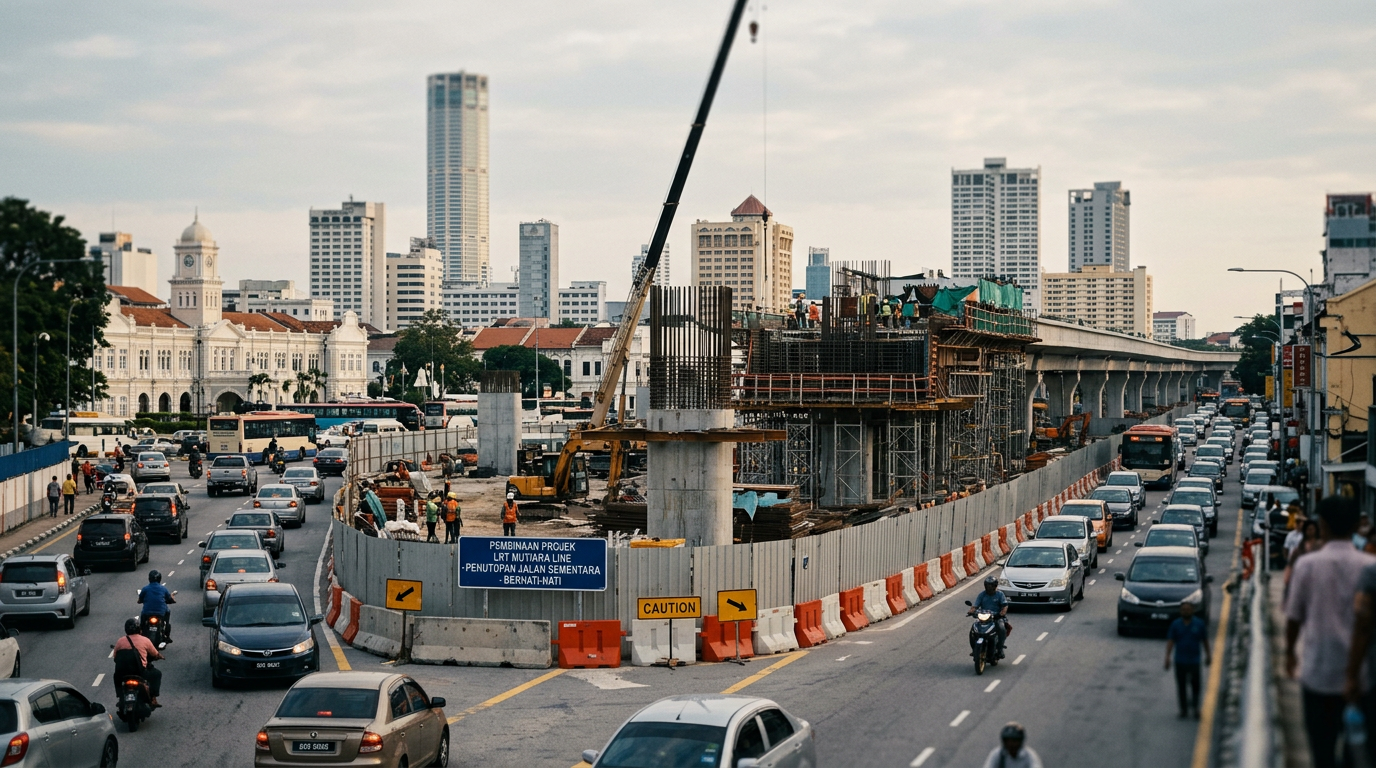
Progress on Penang's Mutiara Line Light Rail Transit (LRT), with work advancing on the Silicon Island to Komtar section, offers a current look into Malaysia's institutional capacity to deliver large-scale infrastructure. According to a report from Free Malaysia Today, the project is moving forward. The way such projects are executed is as meaningful as the initial announcements.
Execution Over Announcements
The ultimate success of the Penang LRT will not be measured by the ambition of its design but by the effectiveness of its implementation. The project is a test case for the principle that "infrastructure that arrives on time signals more than infrastructure that is merely announced." The ability to coordinate land acquisition, manage complex civil engineering contracts, and maintain a consistent pace of development reflects the underlying strength of the state's institutions. A predictable and reliable state apparatus, capable of executing its plans, builds confidence among investors and citizens alike. The Mutiara Line is, in this sense, a physical manifestation of Malaysia's administrative competence.
The Cost of Friction
Large infrastructure projects are prone to friction, which includes everything from regulatory hurdles and land disputes to financing gaps and political shifts. Each point of friction adds costs and delays, eroding public trust and the project's expected economic benefits. As detailed in the book ASEAN Rising, minimizing this friction is a core function of a well-run state. When institutions are reliable, they reduce uncertainty for the private sector partners involved in construction, financing, and operations. The smooth progression of the LRT's early-stage works suggests that the mechanisms for managing these complexities are functioning. However, maintaining this momentum through subsequent, more difficult phases will be the true indicator of Malaysia's capacity to manage and absorb the costs of friction.
Infrastructure and Comparative Advantage
In a competitive region, a country's ability to build and operate infrastructure becomes a key part of its economic offering. For Penang, the Mutiara Line is not just about easing traffic congestion; it is about enhancing the state's economic competitiveness. The LRT will connect industrial zones, commercial centers, and residential areas, creating a more integrated and efficient urban economy. This, in turn, makes Penang a more attractive destination for foreign direct investment and skilled talent. The project is an investment in the state's long-term comparative advantage, demonstrating that Malaysia has the institutional hardware to support sophisticated economic activity. The steel and concrete going into the ground are a direct investment in the trust that underpins a modern economy.
What to watch next is how the project navigators the next phases of construction and financing, which are often more complex than initial works. The government's ability to maintain project timelines and budget discipline, particularly as it moves through densely populated urban areas, will be a clear indicator of state capacity. The sustained progress of the LRT will serve as a valuable signal to international observers about the reliability of Malaysian institutions in delivering on major development goals.