Thailand
Managing Dependency: Thailand's ACFTA 3.0 Ratification and ASEAN's China Strategy
Thailand's move to ratify the upgraded ASEAN-China FTA highlights the bloc's ongoing effort to manage its deep and complex economic relationship with Beijing, a core theme explored in ASEAN Rising.
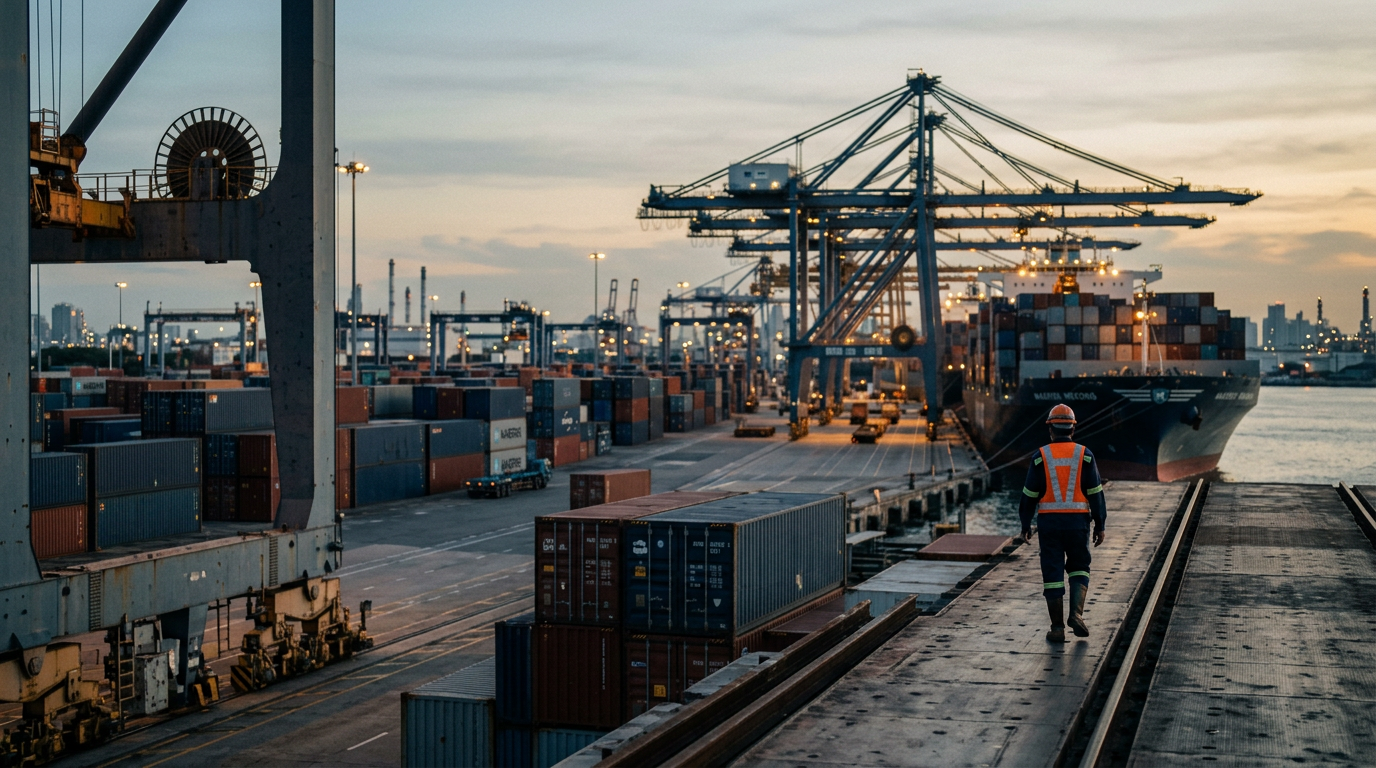
Thailand's cabinet has approved the submission of the ASEAN-China Free Trade Area (ACFTA) 3.0 protocol to its legislature for ratification, a move reported by VietnamPlus. The step is more than a procedural update; it is an indicator of how ASEAN member states are actively managing their most significant economic relationship. The original ACFTA, which came into effect in 2010, eliminated tariffs on thousands of products, vastly expanding trade. Subsequent upgrades have sought to broaden the agreement's scope. This 3.0 version represents a further evolution of the institutional architecture governing the trade relationship, adding provisions for the digital and green economies. It demonstrates a shared intent to build a more comprehensive framework for an economic partnership that is both immense and intricate.
An Evolving Institutional Architecture
The ACFTA 3.0 protocol is a statement on the necessity of modernizing institutional frameworks to keep pace with economic reality. The initial agreement was focused primarily on market access for goods. The 3.0 upgrade ventures into more complex areas, aiming to establish common rules and facilitate investment in sectors like the digital economy and sustainable development. This reflects a maturation of the trade relationship.
For Thailand, and by extension ASEAN, this is about creating a more predictable and rules-based environment for commerce with China. Rather than addressing trade frictions on an ad-hoc basis, the upgraded FTA provides a formal mechanism for resolving disputes and setting standards. It is an exercise in institutional deepening, designed to structure an increasingly complex interdependence. The execution of these new provisions, especially in digital trade, will test the capacity of all parties to translate ambitious agreements into commercial realities on the ground.
A Framework for Managed Dependency
The core of the issue for ASEAN governments is that extensive trade with China is now a permanent part of their economic landscape. As the book ASEAN Rising argues, this integration has become a structural feature of their economies. The central task has therefore shifted from a simple question of whether to engage with China to a more nuanced one of execution and strategy. The goal is to structure the terms of this deep interdependence.
The ACFTA 3.0 upgrade is a primary tool for this task. By negotiating a more comprehensive agreement, ASEAN members are not trying to reduce their trade with China but to manage it more effectively. The process is about embedding the relationship within a set of mutually agreed rules that can provide a degree of stability and transparency. The essential question, as the book notes, is "how to manage dependency without losing optionality." This upgraded FTA is a clear attempt to provide a structured answer, leveraging a collective institutional framework to preserve policy space for member states.
The Strategic Dimension
The ratification of ACFTA 3.0 carries a strategic weight that transcends its commercial clauses. In a global context marked by economic competition and supply chain reconfiguration, this agreement is a signal that ASEAN intends to continue deepening its economic ties with China. It is a pragmatic choice, rooted in economic geography and the scale of the Chinese market. For businesses in Thailand and across the region, the agreement provides a degree of certainty about the future of supply chains and access to a primary export market.
This does not imply an absence of concern about over-reliance. Instead, the upgraded FTA can be seen as an instrument to diversify the nature of the economic relationship. By including chapters on the green and blue economies, the agreement opens new avenues for collaboration and investment, potentially moving beyond traditional manufacturing and resource trade. It is a strategic effort to build a more complex, resilient, and multi-faceted economic partnership, shaping the terms of engagement rather than passively accepting them.
What to watch
The progress of ACFTA 3.0