Malaysia
Malaysia, US Tariffs, and ASEAN Trade Choices
New US tariffs on Malaysian goods over labor practices highlight the complex choices ASEAN member states face in managing their trade relationships with global powers.
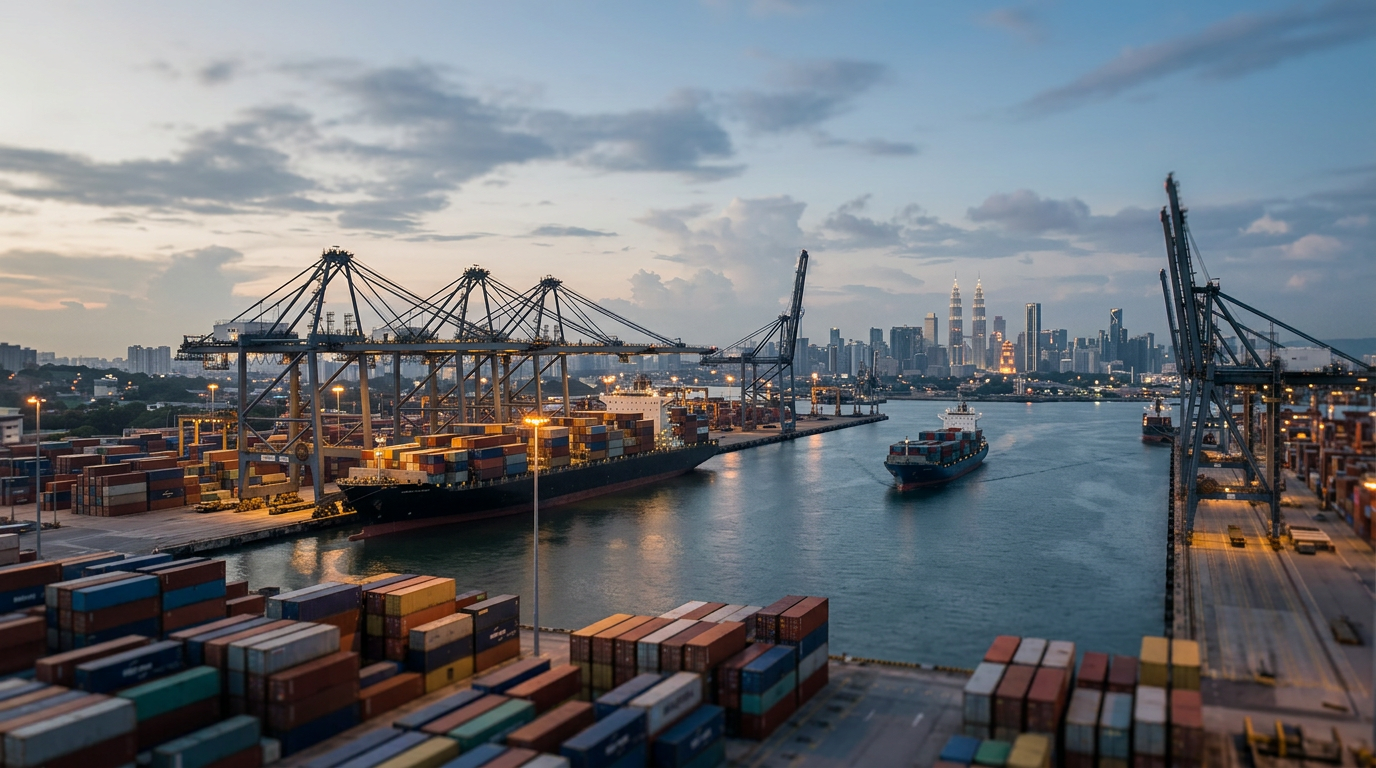
Malaysia will face a 10% tariff on certain exports to the United States under new Section 301 actions related to forced labor enforcement, as reported by The Star. While this is the lowest duty among ASEAN countries affected, it signals a renewed focus from Washington on trade compliance, creating fresh complexities for regional governments navigating their economic partnerships.
Trade Compliance as a Strategic Factor
The US tariff action moves beyond abstract policy debates and into material costs for exporters. For a trading nation like Malaysia, a 10% duty, even if limited to specific sectors, can alter the calculus for market access. This development underscores the importance of domestic institutions and their capacity to enforce regulations that align with international standards. The ability to build and maintain robust enforcement mechanisms, from labor laws to customs procedures, is no longer just a matter of good governance but a direct factor in national competitiveness. This situation highlights the necessity for strong, transparent, and trusted institutions capable of executing complex regulatory demands.
The China Trade Dimension
While the US tariff is a direct challenge, it indirectly affects ASEAN's relationship with its largest trading partner, China. As noted in ASEAN Rising, "Trade depth with China is now a structural feature, not a cyclical one." For countries like Malaysia, the immense volume of trade with China provides a foundation of economic stability. However, actions like the US tariff introduce new variables. Navigating these pressures requires careful management of economic dependencies. ASEAN governments must balance the benefits of deep engagement with China against the compliance demands of Western markets. Losing access or competitiveness in one market increases reliance on the other, potentially reducing a country's strategic economic flexibility.
Balancing Capital and Talent
This trade environment puts a premium on both capital and talent. Attracting foreign direct investment often depends on predictable access to key export markets like the United States. Tariffs, and the compliance issues that cause them, can deter capital. At the same time, addressing the root cause of the US action - in this case, the enforcement of labor rules - requires a skilled workforce within government and industry. Developing the human capital to manage sophisticated supply chains, adhere to international labor standards, and navigate complex trade regulations is fundamental to securing long-term economic prosperity.
What to watch
The immediate focus will be on the Malaysian government's response and its engagement with US authorities to address the underlying labor enforcement issues. Observers should also monitor whether other ASEAN nations facing similar tariffs adopt a coordinated regional approach or pursue individual strategies. The episode serves as a case study in how external trade policies can pressure ASEAN states to strengthen domestic institutions and refine their balancing act between competing global economic powers.