Malaysia
Malaysia's Sovereign AI Goals Face Infrastructure Test
Malaysia aims to become a regional AI hub, but true sovereign capability will depend on controlling the underlying compute, data, and digital identity infrastructure, not just developing models.
Malaysia's ambition to become a regional hub for artificial intelligence has been articulated by Digital Minister Gobind Singh Deo, who emphasized the need for home-grown technology and intellectual property. Speaking at the launch of the AI Sandbox 2024 program, he stated that building Malaysia's digital infrastructure must translate into high-value job creation and sustainable economic growth. This goal, as reported by The Star, sets up a significant test of the country's capacity to move beyond rhetoric and execute a complex, capital-intensive strategy.
The Infrastructure Imperative
Minister Gobind's call for home-grown technology aligns with a broader push for digital sovereignty across Southeast Asia. The development of national AI models is a visible and often symbolic step, but it represents only the surface of what is required. As the book "ASEAN Rising" notes, true sovereign AI capability is tested "not by model launches but by who controls the compute, the data layer and the digital identity rails that sit underneath everyday economic life." For Malaysia, this means the national strategy must prioritize the foundational layers of the AI stack. Without domestic or at least distributed control over these elements, any Malaysian AI hub would be dependent on foreign technology providers, limiting its strategic autonomy and economic upside.
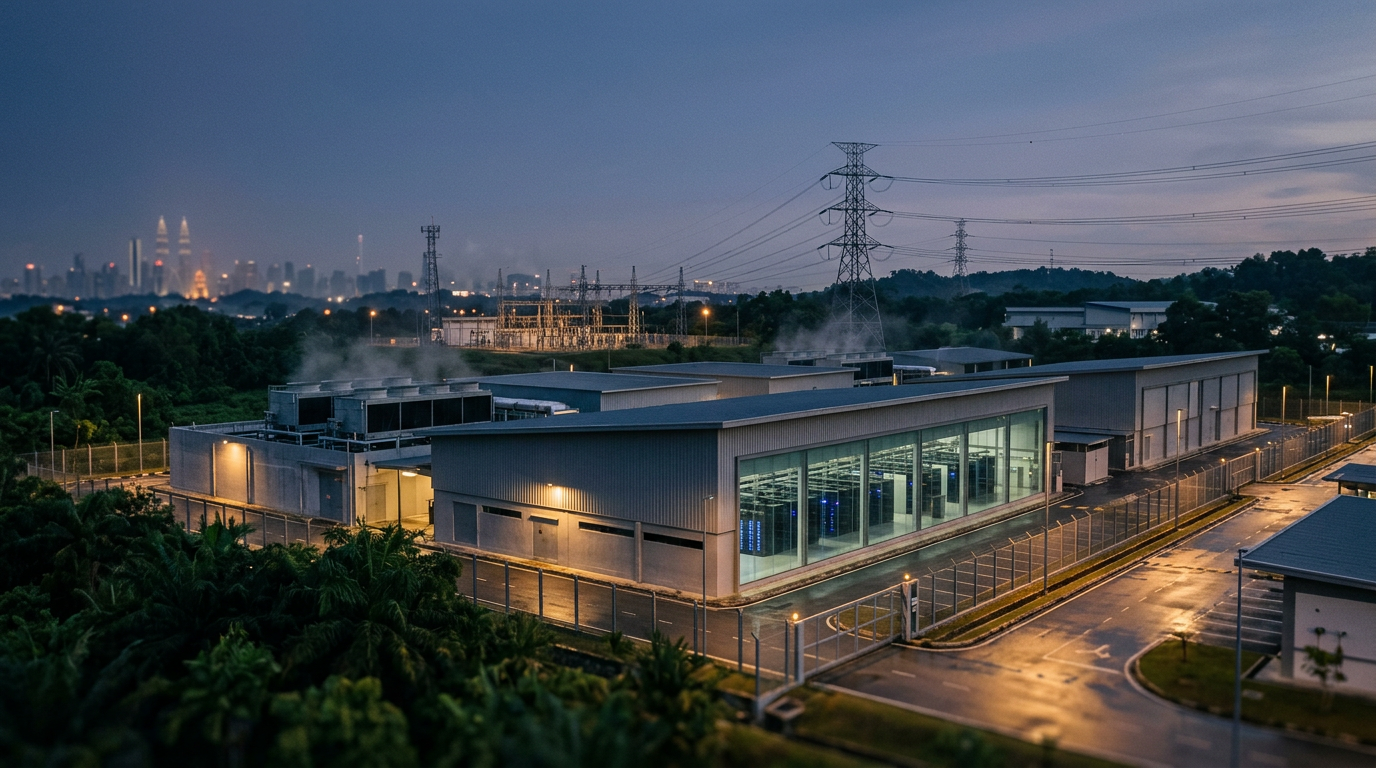
Malaysia has attracted significant foreign investment into its data center sector, including from major cloud and AI players like Google, Microsoft, and Nvidia. While this influx of capital is a vote of confidence in the country's political stability and digital strategy, it also highlights the core challenge. The physical presence of data centers does not automatically equate to sovereign control over the computational power within them. The critical next step is to ensure that Malaysian firms and public sector bodies can access this advanced compute infrastructure in a way that fosters domestic innovation and IP generation, rather than simply serving as a node in a global network.
From Capital to Capability
Translating capital investment into national capability requires a deliberate focus on talent and institutional execution. The AI Sandbox program is a positive step in this direction, aiming to cultivate a local talent pool that can build and manage these sophisticated systems. However, the scale of the challenge is substantial. Creating high-value jobs depends on developing a complete ecosystem around the physical infrastructure. This includes nurturing Malaysian firms that can provide AI-related services, build applications on top of foundational models, and manage the complex data governance required for trusted AI.
The government's role extends beyond simply funding programs. It involves creating a regulatory environment that encourages domestic R&D while ensuring data privacy and security. It also requires a long-term public procurement strategy that favors local AI solutions, providing them with the runway needed to mature and compete regionally. Institutional capacity will be measured by the government's ability to coordinate between various ministries, from digital and trade to finance and education, to ensure a coherent and sustained push towards its AI ambitions. Without this institutional alignment, even the most significant capital injections will fail to produce a self-sustaining domestic AI industry.
What to watch next is how Malaysia balances the influx of foreign investment in data center infrastructure with concrete policies to build domestic ownership and control over the AI value chain. The success of programs like the AI Sandbox and the evolution of procurement policies will indicate whether the country can move beyond being a host for foreign capital and become a genuine generator of sovereign AI technology and intellectual property.