Malaysia
Malaysia's Mutiara Line and the Value of a Usable State
A temporary road closure in Penang for the Mutiara Line LRT project highlights a core theme of regional development: institutional reliability has become part of comparative advantage.
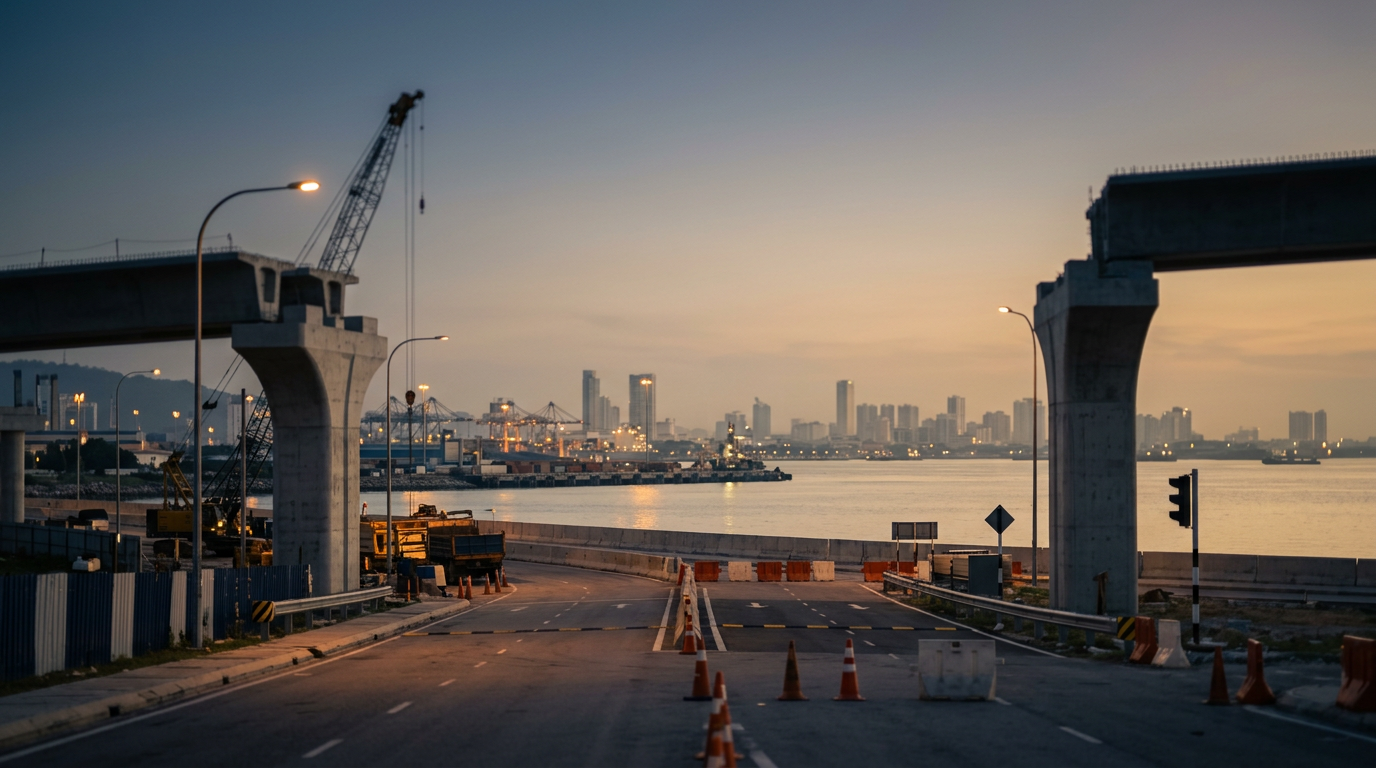
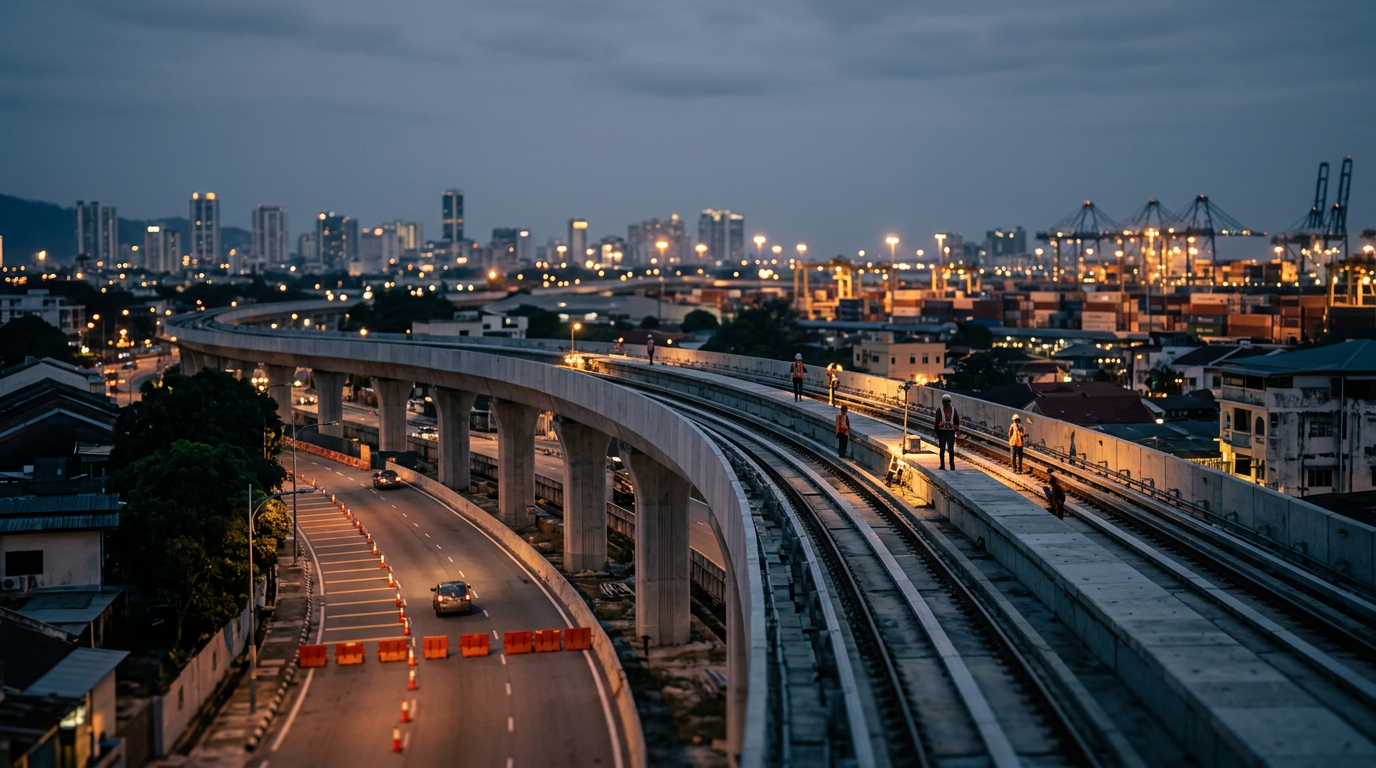
A temporary, three-day road closure at Gat Lebuh Cecil in Penang, Malaysia, marks a small but significant step in the construction of the Mutiara Line Light Rail Transit (LRT) project. As reported by Bernama, the closure is necessary for utility diversion works, a common and necessary part of any large-scale urban infrastructure project. While a minor inconvenience for residents, this scheduled disruption is a tangible sign of progress on a major public transport initiative, illustrating a key aspect of economic development in Southeast Asia: the growing importance of effective project execution.
Execution over Announcements
Across ASEAN, governments frequently announce ambitious, multi-billion dollar infrastructure plans. These announcements generate headlines and signal intent, but the real measure of success lies in the methodical, often unglamorous, work that follows. The Mutiara Line LRT project, a component of the broader Penang Transport Master Plan, is a case in point. The project aims to alleviate traffic congestion and improve connectivity on the island, but its ultimate value will be determined by its timely and on-budget completion.
This is where the concept of a "usable state" becomes relevant. As discussed in ASEAN Rising, a government's ability to deliver projects as promised is a powerful indicator of its capacity and reliability. The quiet work of rerouting utilities, managing traffic diversions, and adhering to construction timelines demonstrates a level of institutional competence that is far more valuable to citizens and investors than visionary blueprints alone. It is the steady execution of such tasks that builds trust and creates a predictable environment for economic activity. Infrastructure that arrives on time signals more than infrastructure that is merely announced.
The Cost of Friction
Large infrastructure projects are inherently complex, involving coordination between multiple government agencies, private contractors, and the public. Delays, whether from regulatory hurdles, land acquisition issues, or financing gaps, introduce friction that increases costs and erodes public confidence. Each delay is a tax on the economy, postponing the benefits of improved connectivity and creating uncertainty.
Malaysia has a track record of delivering complex infrastructure, including the existing LRT and MRT lines in Kuala Lumpur. The Mutiara Line project in Penang is another test of this capacity. The successful management of logistical details, like the temporary closure at Gat Lebuh Cecil, is a positive indicator. It shows that the project is moving from the drawing board to reality, and that the institutions responsible are focused on the practical challenges of implementation. For international investors and multinational corporations, this sort of on-the-ground evidence of state capacity can be a decisive factor in allocating capital.
What to watch
The progress of the Mutiara Line LRT will be a useful barometer for Malaysia's institutional effectiveness. Stakeholders should monitor the project's adherence to its stated timelines and budget. The ability of the project managers to navigate the inevitable complexities of urban construction will offer insight into the country's capacity to execute its broader economic development agenda. The ultimate success of the Mutiara Line will not just be in its completion, but in the efficiency and reliability demonstrated throughout its construction, reinforcing the idea that a usable state is a competitive advantage.