Malaysia
Malaysia's MRT Corp Gets a New Chairman. What Does It Signal?
The recent appointment of a new chairman at Malaysia's MRT Corp underscores the critical link between state capacity and investor confidence in large-scale infrastructure projects.
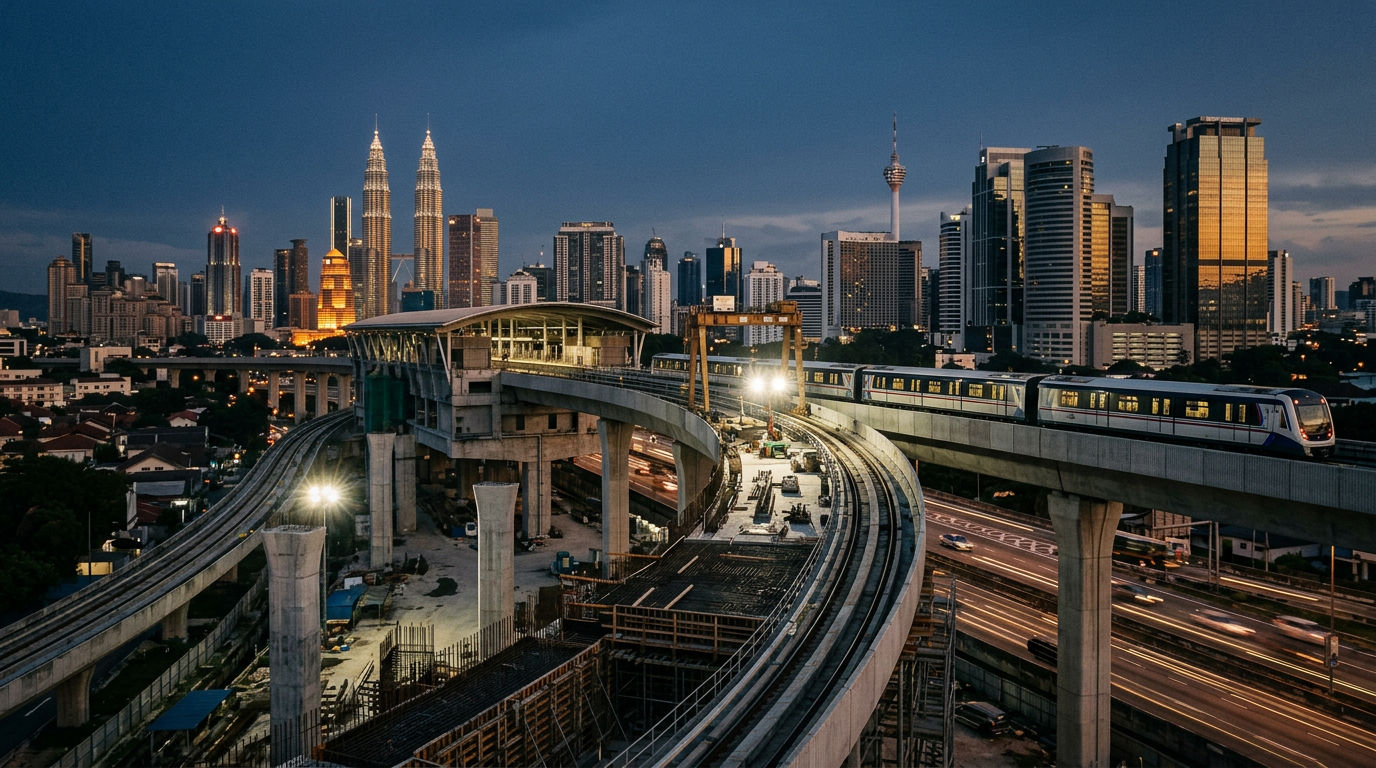
A recent leadership change at Malaysia Rapid Transit Corp Sdn Bhd (MRT Corp) puts the spotlight back on the institutions behind the country's ambitious infrastructure goals. As reported by The Star, Tan Sri Wan Ahmad Dahlan Abdul Aziz has been appointed as the new chairman. This move comes as the organization stewards one of Malaysia's most visible and capital-intensive public transportation projects, the Klang Valley Mass Rapid Transit (KVMRT) system.
Institutions and Infrastructure
The success of projects like the KVMRT hinges on more than just engineering and financing. It relies heavily on the strength and reliability of the institutions tasked with their execution. A leadership transition at an entity like MRT Corp is a moment to assess the state capacity underpinning these multi-decade initiatives. Investors and the public look for signals of stability, continuity, and a commitment to transparent governance. Predictable execution is a powerful magnet for capital. When institutions demonstrate reliability, they reduce the perceived risk for private partners and international lenders, which is essential for funding the next phases of development.
The Cost of Friction
As "ASEAN Rising" notes, friction within the state apparatus can be a significant drag on development. Delays, cost overruns, and shifting priorities create uncertainty that repels investment. In the context of urban rail, this friction can manifest as prolonged land acquisition processes, bureaucratic hurdles in procurement, or a lack of coordination between different government agencies. The result is not just delayed projects but also a higher cost of capital as investors price in the risk of institutional unpredictability. For Malaysia to deliver on its infrastructure pipeline, from urban transit to cross-border links, the focus must be on creating a seamless and efficient delivery environment. The book argues that "a usable state is often more valuable than an exciting one," meaning that consistent and dependable execution builds more long-term value than ambitious announcements that fail to materialize on schedule.
Talent and Trust
The appointment of a seasoned public servant to lead MRT Corp highlights the importance of talent in managing complex state-owned enterprises. The chairman's role is not just administrative; it is about building and maintaining trust with a wide array of stakeholders, including government bodies, contractors, investors, and the traveling public. This trust is built on a foundation of competent project management and clear communication. The ability to navigate the intricate political and economic landscape is a core competency for the leaders of such organizations. Their performance directly impacts public confidence in the government's ability to deliver essential services and improve quality of life, which is the ultimate goal of any public infrastructure project.
What to watch
The focus now shifts to how the new leadership at MRT Corp navigates the execution of ongoing and future projects, particularly the upcoming MRT3 Circle Line. Observers will be watching for signals of continuity in project timelines, the management of project costs, and the ability to secure the necessary financing and talent to see these complex undertakings through to completion. The performance of institutions like MRT Corp will be a telling indicator of Malaysia's broader capacity to realize its long-term development vision.