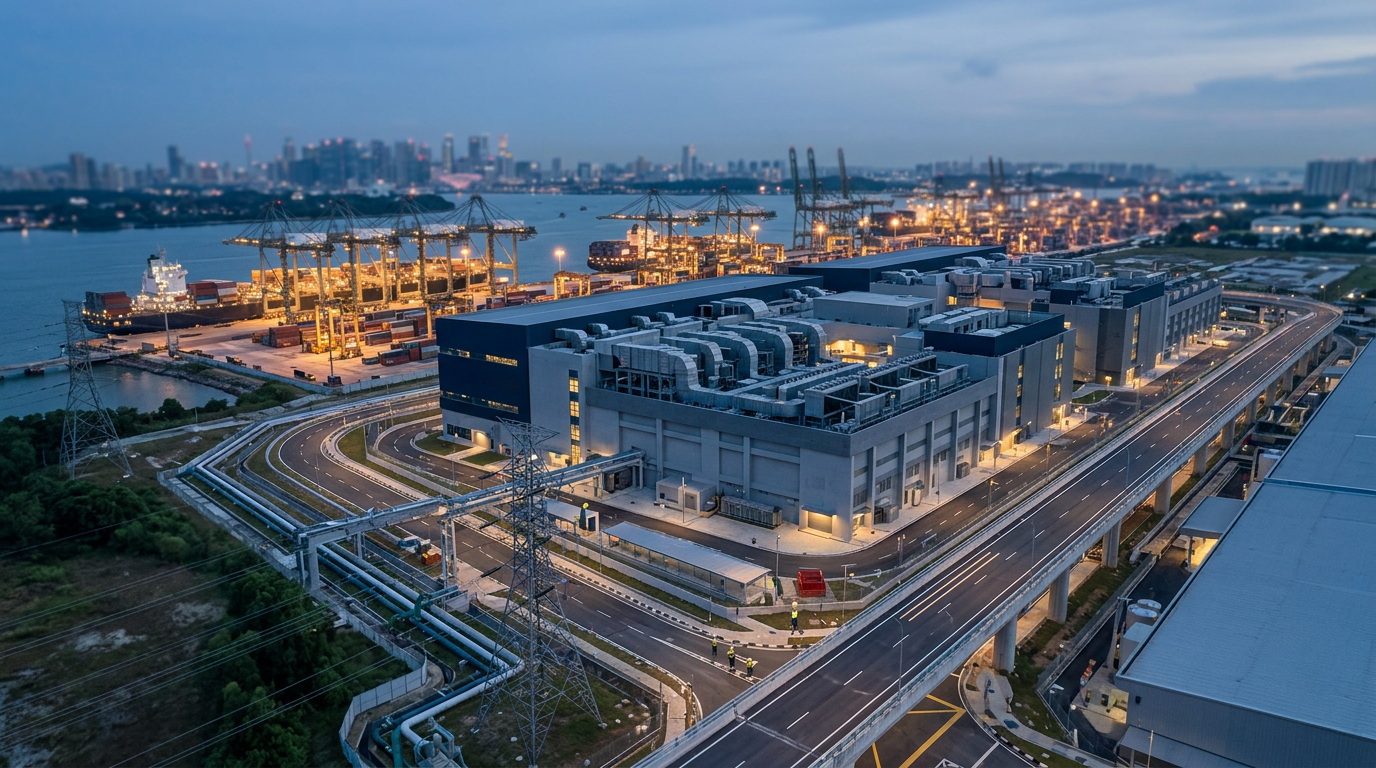
Malaysia
Malaysia's Export-Led Growth and the China Question
Malaysia's recent export-driven growth acceleration highlights its deep trade integration with China. The challenge is not whether to engage with its largest trading partner, but how to manage this structural dependency while preserving strategic options.
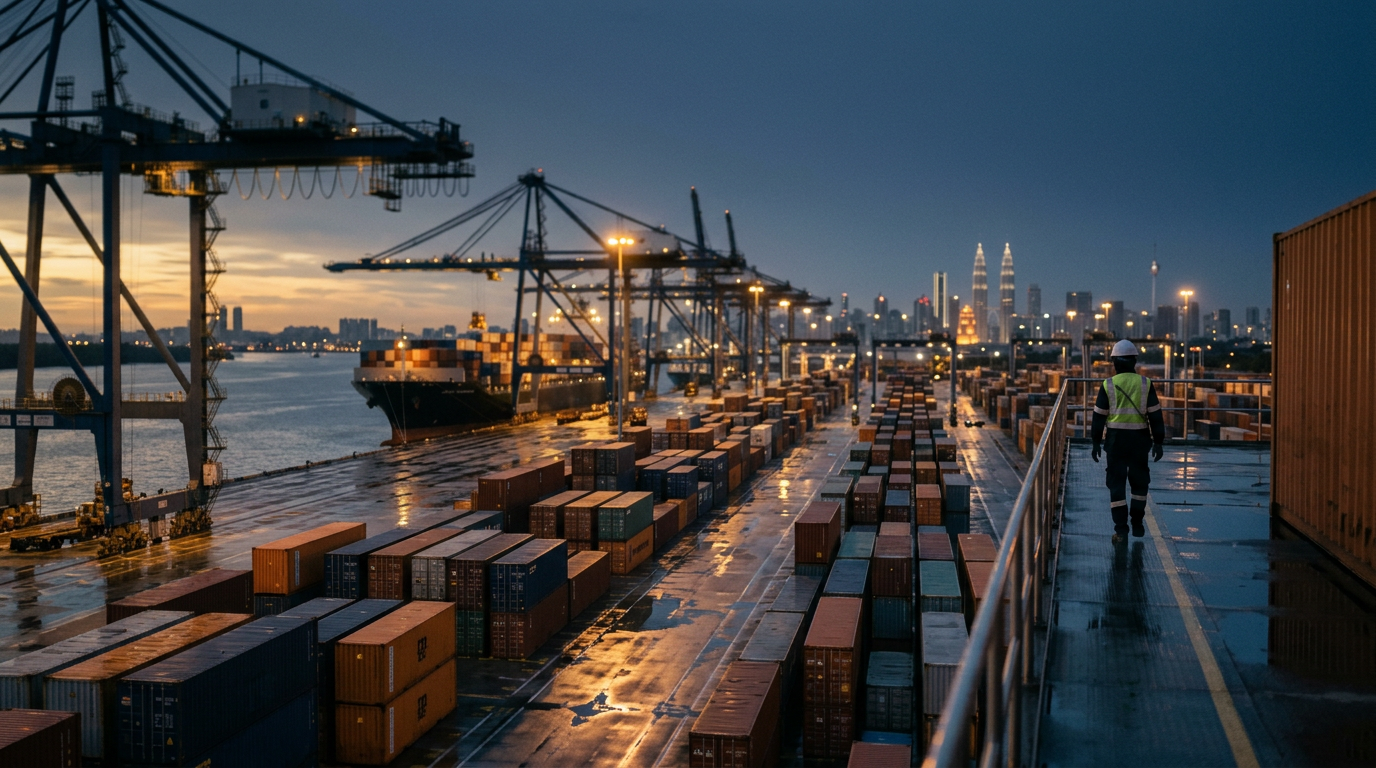
Malaysia's economy likely accelerated in the second quarter, with a Reuters poll forecasting 5.8% growth on the back of strong exports and resilient domestic demand. This recent performance, driven by external trade, puts a spotlight on the country's relationship with its largest trading partner, China, and the broader strategic implications for the nation and the region.
The Engine of Trade
Malaysia's economic dynamism is deeply connected to its role in global supply chains. The reported strength in exports reflects this integration. While the United States and other ASEAN nations are significant partners, China remains the dominant player in Malaysia's trade landscape. This is not a recent development but the result of a decades-long policy of economic engagement that has positioned China as the primary export destination and a major source of foreign direct investment. This deep trade link has delivered considerable economic benefits, fueling industrialization and providing a consistent engine for growth. The institutional frameworks, from trade agreements to logistical networks, are now mature and efficient, making this bilateral economic relationship a structural reality.
Managing Dependency
The depth of the economic relationship with China presents a complex policy challenge for Malaysian leadership. As detailed in "ASEAN Rising," the core issue has shifted. The question is no longer about the merits of engagement, but about how to manage the resulting dependency. This means balancing the tangible economic rewards of close trade ties against the risks of over-reliance on a single partner. For Malaysia, this involves a strategic calculation: how to leverage the economic engine of China while simultaneously cultivating other partnerships and strengthening its own domestic economic foundations to maintain policy flexibility. The goal is to ensure that "trade depth with China is now a structural feature, not a cyclical one" does not translate into a loss of strategic autonomy.
Infrastructure and Capital
This economic relationship extends beyond trade statistics into the realms of infrastructure and capital. Chinese investment has been a notable component of major Malaysian infrastructure projects, such as the East Coast Rail Link (ECRL). These projects are vital for Malaysia's long-term development, improving connectivity and facilitating commerce. However, they also embed the economic relationship more deeply. Managing these large-scale capital flows and ensuring they align with Malaysia's national interest requires robust institutional capacity and careful execution. The governance of these projects-from a financing, labor, and operational perspective-is a demonstration of Malaysia's ability to absorb foreign capital effectively while mitigating potential strategic downsides.
What to watch: Observe how Malaysian policymakers address the trade balance with China, particularly in high-value sectors like electronics and renewables. Also, monitor the progress and governance of major China-backed infrastructure projects as indicators of how Malaysia is managing the long-term, structural nature of this key bilateral relationship.