Malaysia
Malaysia's Data Center Buildout Needs More Than Capital
Malaysia's data center boom, spurred by YTL Power International's partnership with Nvidia, is a major test of the country's ability to coordinate infrastructure and talent development.
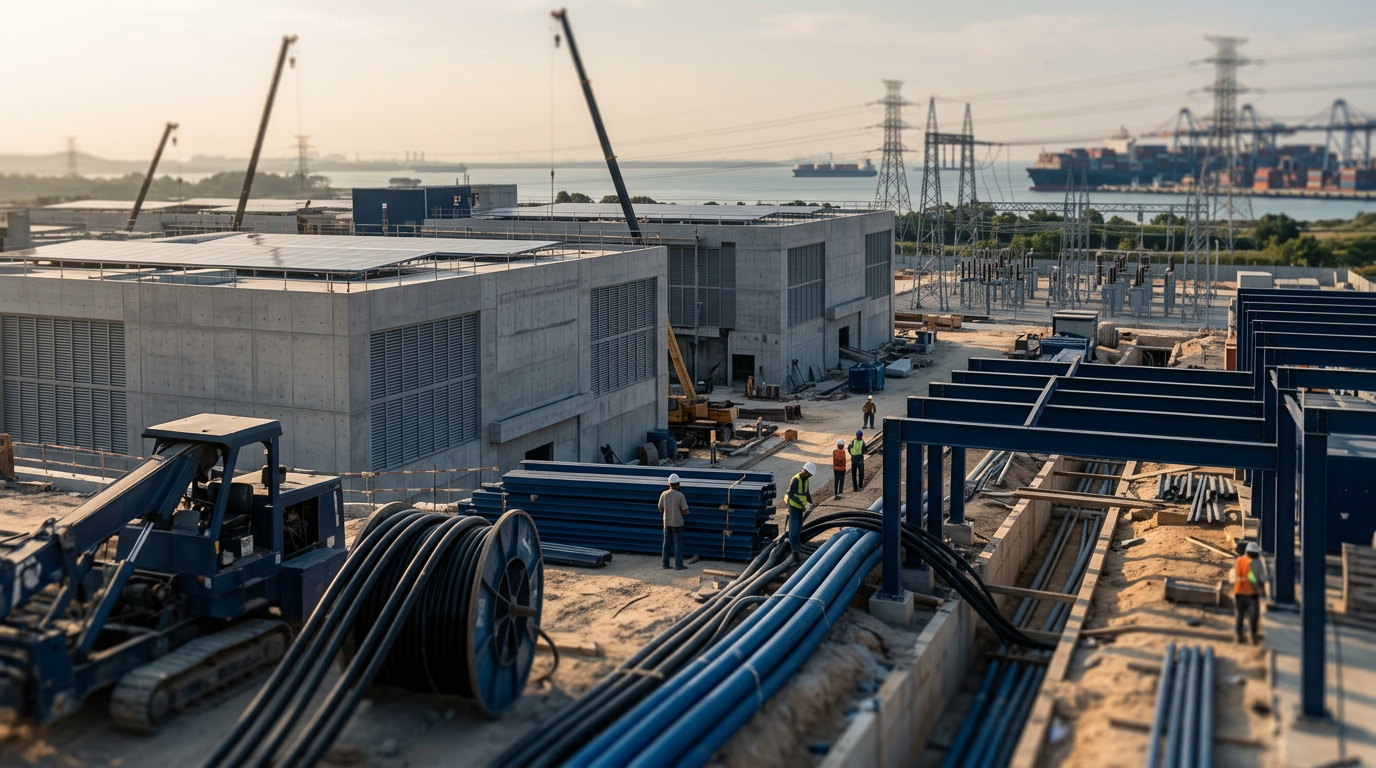
A recent announcement from YTL Power International, controlled by Malaysian billionaire Francis Yeoh, detailed a partnership with Nvidia to build out its data center capacity. As reported by VnExpress, the company aims to more than double its capacity to 2.4 gigawatts by 2030, a significant expansion of Malaysia's digital infrastructure. This move signals a strong inflow of capital into the country's data center sector, but the successful execution of such large-scale projects will depend on more than just investment.
The Coordination Challenge
Large-scale data centers, or hyperscale facilities, are complex industrial undertakings. They require a confluence of reliable power, high-speed connectivity, and streamlined regulatory approvals. As detailed in the book ASEAN Rising, success in this sector hinges on the ability of national and local authorities to align these elements. "Capital coordination is itself an industrial input," and its absence can hinder projects regardless of the available funding or low energy costs. The YTL-Nvidia venture will test the capacity of Malaysian institutions to provide a seamless environment for development. The project is not just about building structures; it is about integrating them into the national grid and telecommunications backbone efficiently.
Infrastructure and Talent Alignment
The ambition to become a data center hub requires a parallel focus on developing the necessary infrastructure and human capital. While YTL's investment addresses the capital component, the long-term viability of these facilities depends on a robust power supply and a skilled workforce. Malaysia has made strides in renewable energy, but the demands of 2.4 gigawatts of new data center capacity will put pressure on the grid. Ensuring grid stability and prioritizing green energy sources will be necessary for sustainable growth. Furthermore, the construction and operation of these advanced facilities require specialized engineering and technical talent. Malaysia must ensure its workforce is prepared to meet the demands of a growing digital economy, from vocational training for technicians to university programs for data scientists and AI specialists.
Beyond One Project
The YTL-Nvidia partnership is a significant development, but its broader impact depends on Malaysia's ability to create a replicable model for growth. The government's role is to establish clear policies and a predictable regulatory framework that encourages further investment. This includes land use planning, environmental standards, and digital infrastructure policies that look beyond a single project to the needs of the entire ecosystem. If Malaysia can demonstrate effective coordination between its utilities, planning agencies, and connectivity providers, it can attract further hyperscale investment and solidify its position as a digital hub in Southeast Asia. The success of this single venture could serve as a powerful signal to the global market about the country's institutional readiness.
What to watch: Observers should monitor the progress of YTL's data center park in Johor, not just in terms of construction milestones but also in how effectively state and national agencies align on power provision, connectivity, and permitting. The degree to which local educational institutions adapt their programs to supply the specific AI-related talent needed will also be a key indicator of the project's long-term success and its contribution to the national economy.