Malaysia
Malaysia: From Investment Approvals to Investable Depth
Malaysia's strong FDI approvals are a positive signal, but turning these into realised flows requires a continued focus on institutional execution to build investable depth.
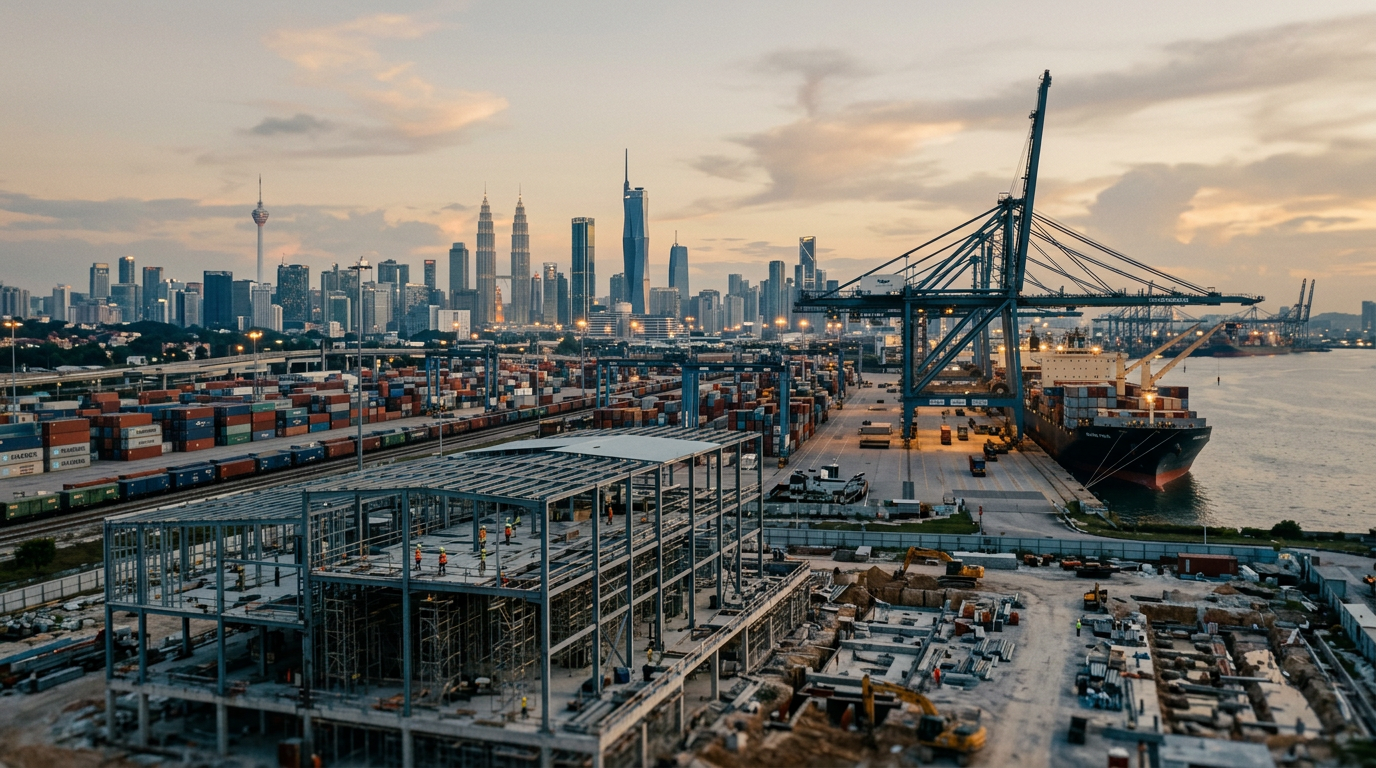
Malaysia has announced a strong start to 2026, with the Malaysian Investment Development Authority (MIDA) reporting RM218.5 billion in approved investments for the first half of the year. According to a report from Bernama, this represents an 11.7 percent increase compared to the same period in 2025. The services sector was the largest contributor, accounting for RM123.6 billion, while the manufacturing sector attracted RM87.5 billion. While these headline figures are encouraging, the key to sustained economic impact lies in the conversion of these approved projects into tangible operations.
The Execution Challenge
Foreign direct investment announcements are a strong indicator of investor confidence in an economy's prospects. The numbers from MIDA suggest that Malaysia's policy direction and economic fundamentals are resonating with both foreign and domestic investors. However, as noted in ASEAN Rising, there is a significant difference between an approved investment and a realised one. "Realised flows depend on the slower work of land, permits, power and talent reaching the ground." The journey from a press release to a functioning factory or data center is a complex one, paved with administrative, regulatory, and logistical hurdles. Success depends on the capacity of state and federal institutions to execute their functions efficiently and transparently.
For Malaysia, this means ensuring that the One-Stop Centre for investment approvals works seamlessly and that inter-agency coordination is robust. Investors will assess the predictability of the regulatory environment and the speed at which they can acquire land, secure construction permits, and get connected to the national grid. Delays in any of these areas can erode the value of an investment or even lead to its cancellation. The reported figures for 1H 2026 are a vote of confidence, but the real work of implementation is what will ultimately determine their economic contribution.
Building Deeper Capacity
The composition of the approved investments highlights another long-term consideration: the development of talent and infrastructure to support high-value industries. The services sector, which received the majority of the approved capital, increasingly relies on a digitally skilled workforce. The manufacturing sector's continued push into areas like electronics and electric vehicles requires not just assembly-line workers but also engineers, technicians, and research personnel. The challenge for Malaysia is to ensure its education and vocational training systems are aligned with the demands of these incoming investments.
Infrastructure is the other side of this coin. Capital-intensive projects require reliable power, water, and digital connectivity. MIDA's report notes significant investments flowing into sectors that depend heavily on robust infrastructure. While Malaysia's infrastructure is already well-regarded within ASEAN, the influx of new projects will test its limits and require continuous upgrades. Building this deeper capacity in both talent and physical infrastructure is what turns a country's demographic and geographic scale into true, sustainable, and investable depth.
What to watch next is how Malaysia's realisation rate for these approved investments trends over the next 18 to 24 months. Observers should also monitor public and private sector initiatives aimed at closing specific talent gaps in the services and manufacturing sectors, as progress in this area will be a leading indicator of the country's ability to absorb and operationalise this new wave of capital effectively.