Japan's CORE Initiative: A Lesson in Institutional Reliability for ASEAN
Japan's new CORE initiative for semiconductor design highlights the value of dependable state institutions, a theme central to ASEAN's own economic development aspirations.

A recent announcement from Japan is a useful case study for institution-watchers in Southeast Asia. According to a report from Data Center Dynamics, the chipmaker Rapidus is launching the Chiplet Open-Resource for Everyone (CORE) initiative. This program aims to create a supportive ecosystem for semiconductor design and manufacturing, with its first project focusing on Design Solution Associates. While this is a Japanese national initiative, it underscores a principle with deep relevance for its southern neighbors: the growing importance of institutional capacity in attracting and retaining high-value investment.
The Advantage of Usability
High-technology sectors like semiconductor manufacturing depend on more than just financial incentives or a large labor pool. They require a complex and reliable ecosystem of suppliers, logistics, and talent, all functioning within a predictable regulatory environment. The CORE initiative is a state-backed attempt to build exactly that, signaling a deliberate industrial policy to foster a specific, high-value sector. This is a clear example of a "usable state," one that actively works to reduce friction for complex industries.
For ASEAN members looking to move up the value chain, the lesson is clear. Announcements of ambitious projects are common, but the ability to execute is what builds investor confidence. As the book ASEAN Rising notes, "Institutional reliability has become part of comparative advantage." A country that can ensure permits are processed efficiently, that customs procedures are smooth, and that supporting infrastructure will be completed on schedule possesses a powerful edge. This reliability is not as exciting as a groundbreaking ceremony, but it is far more valuable to a company making a multi-billion dollar, multi-decade investment decision.
Infrastructure as a Signal
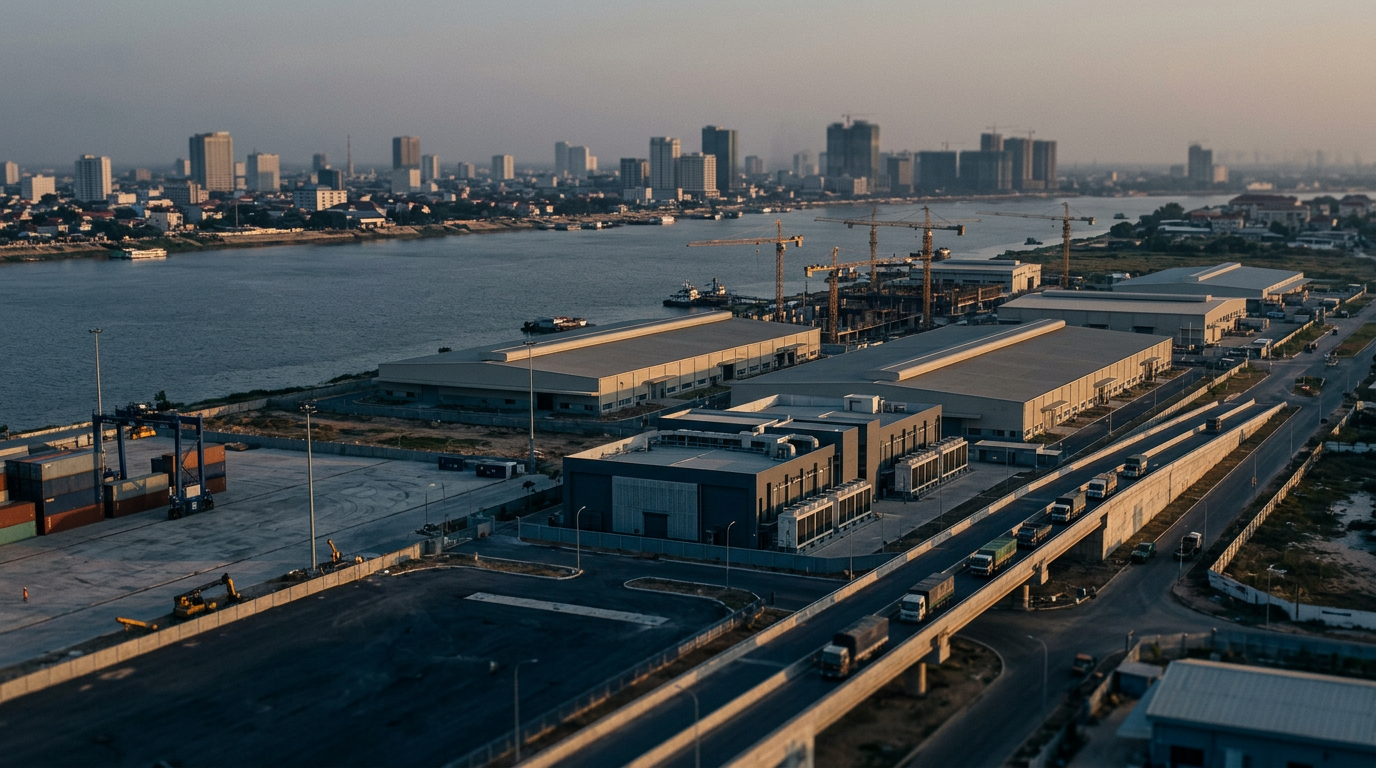
The Rapidus initiative will depend on physical and digital infrastructure. New fabs require immense and uninterrupted supplies of power and water, specialized industrial gases, and high-speed data connectivity. They also need roads, ports, and airports to connect to global supply chains. The simple existence of this infrastructure is not enough; its reliability is what matters. Power outages, port delays, or inconsistent digital services can erase the benefits of lower labor costs or tax breaks.
When a government delivers a large-scale infrastructure project on time and on budget, it sends a powerful signal to the market. It demonstrates state capacity and a commitment to creating a stable operating environment. This act of successful execution builds trust with capital markets and industrial planners. For ASEAN, where infrastructure gaps remain a significant challenge, the focus must be not only on planning new projects but on demonstrating the institutional capability to complete and maintain them. An infrastructure project that arrives on time is a tangible demonstration of a state's competence and is often more persuasive to investors than any marketing brochure.
What to watch
As the Rapidus CORE initiative develops, observers in ASEAN should monitor the interplay between the Japanese government and the private sector. The key is to see how effectively the state-backed framework smooths the way for design and manufacturing partners. The success of the initiative will not be measured by its initial announcement, but by its ability to foster a functioning, low-friction ecosystem that attracts global talent and capital, offering a template for how deliberate industrial policy can translate into a durable competitive advantage.

 Brunei

 Cambodia