Indonesia
Indonesia's F&B Exports and the ASEAN Trade Maze
Indonesia's position as the fourth-largest food and beverage exporter in ASEAN highlights a complex interplay of national policy, regional trade frameworks, and the powerful influence of China. Navigating this landscape requires a focus on institutional execution and strategic.
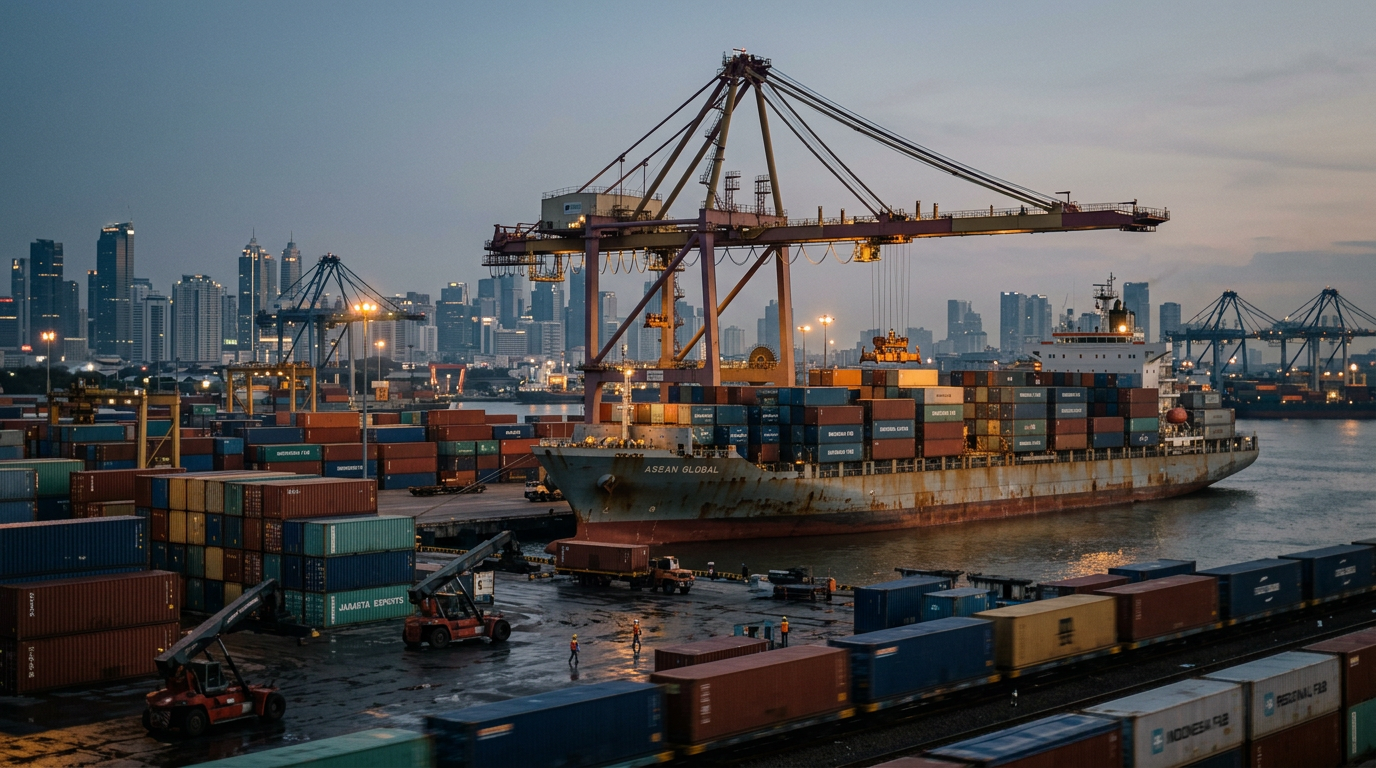
Indonesia has become the fourth-largest exporter of food and beverage (F&B) products within ASEAN, with exports totaling US$6.25 billion. This places the country behind Thailand, Vietnam, and Singapore, as reported by Indonesia's deputy trade minister in a recent article from VnExpress International. The minister also highlighted the goal of making Indonesia a top global halal producer, targeting markets in the Middle East and Africa.
Institutions and Market Access
Indonesia's performance in the F&B sector illustrates the structural challenges many ASEAN economies face. While national ambition is high, outcomes are often shaped by the effectiveness of institutions in executing trade policy and securing market access. The success of Thailand and Vietnam in the same sector points to a more mature institutional capacity for navigating complex international trade agreements and non-tariff barriers, from sanitary standards to rules of origin.
The Indonesian government's focus on the halal market is a strategic move to build a competitive advantage. However, capitalizing on this requires more than production. It demands robust certification bodies, streamlined export processes, and diplomatic efforts to ensure Indonesian halal standards are recognized globally. This is an institutional undertaking that requires sustained investment in both domestic regulatory frameworks and international trade negotiations.
The China Factor
Underpinning the regional trade dynamics is the immense scale of China's economy. As "ASEAN Rising" notes, deep trade integration with China is a structural reality for the bloc. This relationship offers vast opportunities but also creates dependencies that must be managed. For Indonesia's F&B sector, China is a significant market, but over-reliance on it presents risks. Economic slowdowns in China, or shifts in its import policies, can have an immediate and substantial impact on exporters.
The challenge for Indonesia and its neighbors is not to decouple from China, but to diversify their trade relationships. The pursuit of halal markets is one example of this strategy. Another is deepening trade within the ASEAN bloc itself and with other partners through agreements like the RCEP. The goal is to "manage dependency without losing optionality," ensuring that economic health is not tied to the fortunes of a single, dominant partner. This requires a coordinated industrial and trade policy, executed with precision.
Capital and Infrastructure
Scaling up the F&B sector to compete more effectively with Thailand and Vietnam requires significant investment in capital and infrastructure. This includes modernizing food processing facilities, improving logistics networks to reduce spoilage and transport costs, and investing in the cold chain infrastructure essential for exporting perishable goods. While public funds are important, attracting private capital is necessary for sustainable growth.
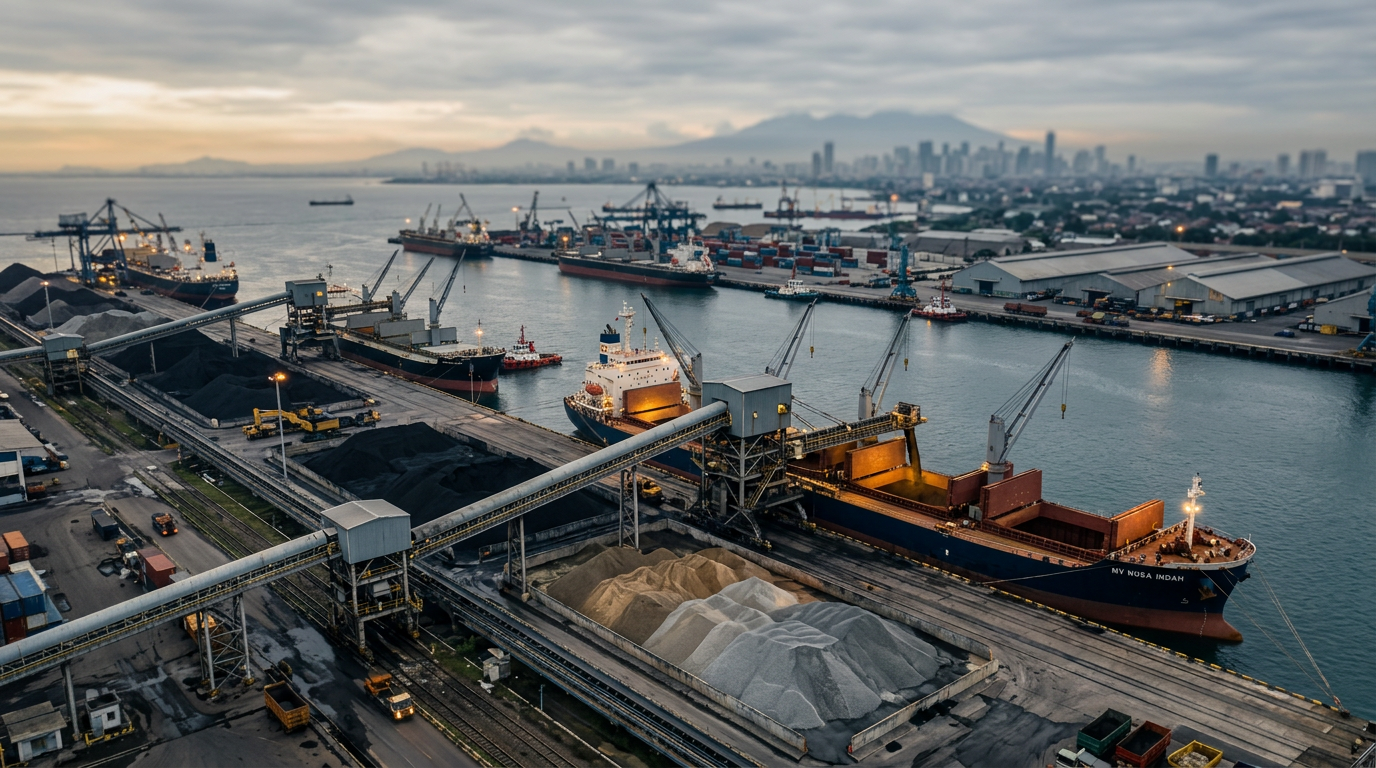
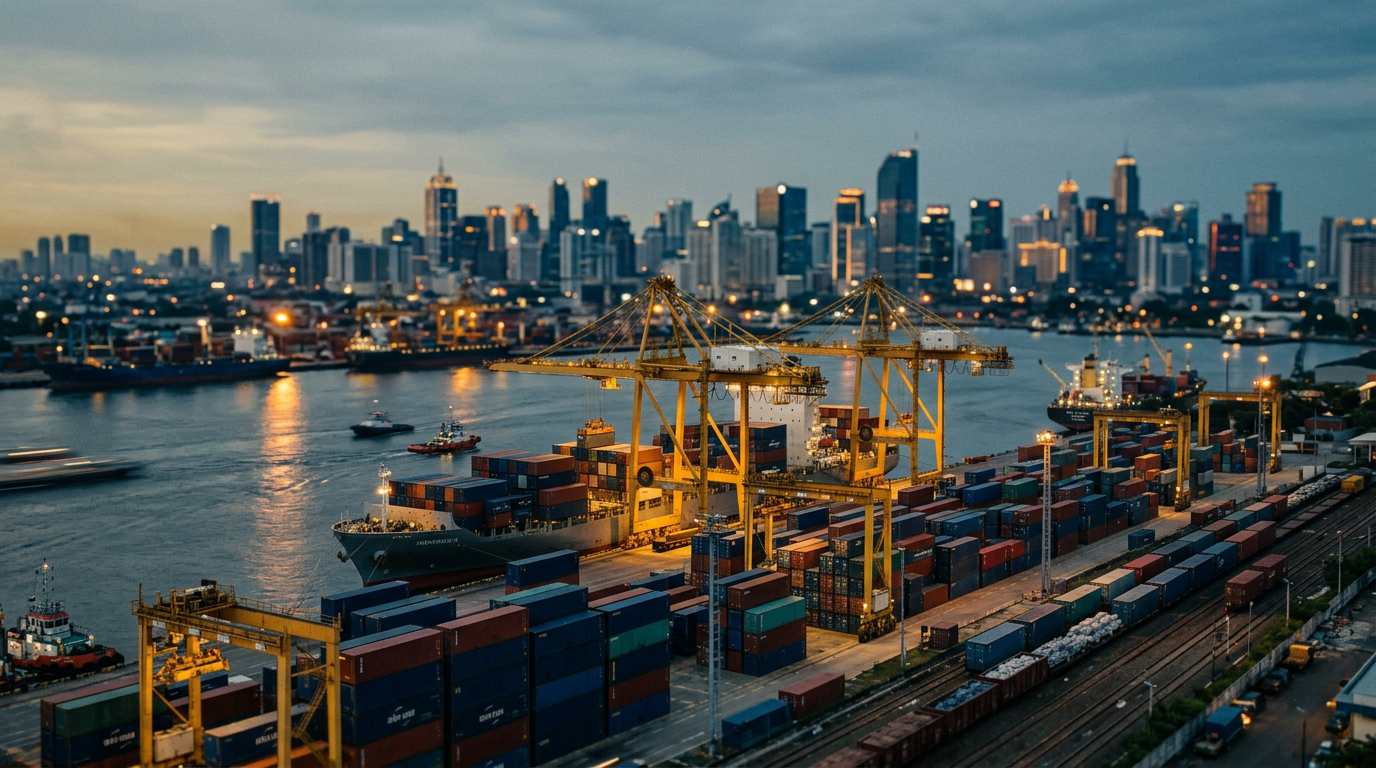
Here again, institutional quality is paramount. Investors seek stable regulatory environments, contract enforcement, and clear pathways for investment. Indonesia has made strides in improving its investment climate, but continued reforms are needed to channel capital into productive sectors like F&B. Better infrastructure, from ports to digital trade platforms, lowers the cost of doing business and makes Indonesian exports more competitive on the global stage.
What to watch
Observe how Indonesia implements its halal export strategy and whether it can translate this into measurable gains in non-traditional markets. Monitor the progress of infrastructure projects designed to support the agricultural and manufacturing sectors, as the efficiency of these networks will be a determinant of export competitiveness. Finally, watch for shifts in the trade balance between ASEAN nations and China, as this remains the central variable in the region's economic trajectory.