Indonesia
Indonesia, Malaysia, and the Politics of Rice
The recent announcement of a rice export deal between Indonesia and Malaysia is a small but significant indicator of how food security is being managed within ASEAN. It shows a preference for bilateral arrangements inside the ASEAN framework, even for small quantities of a.
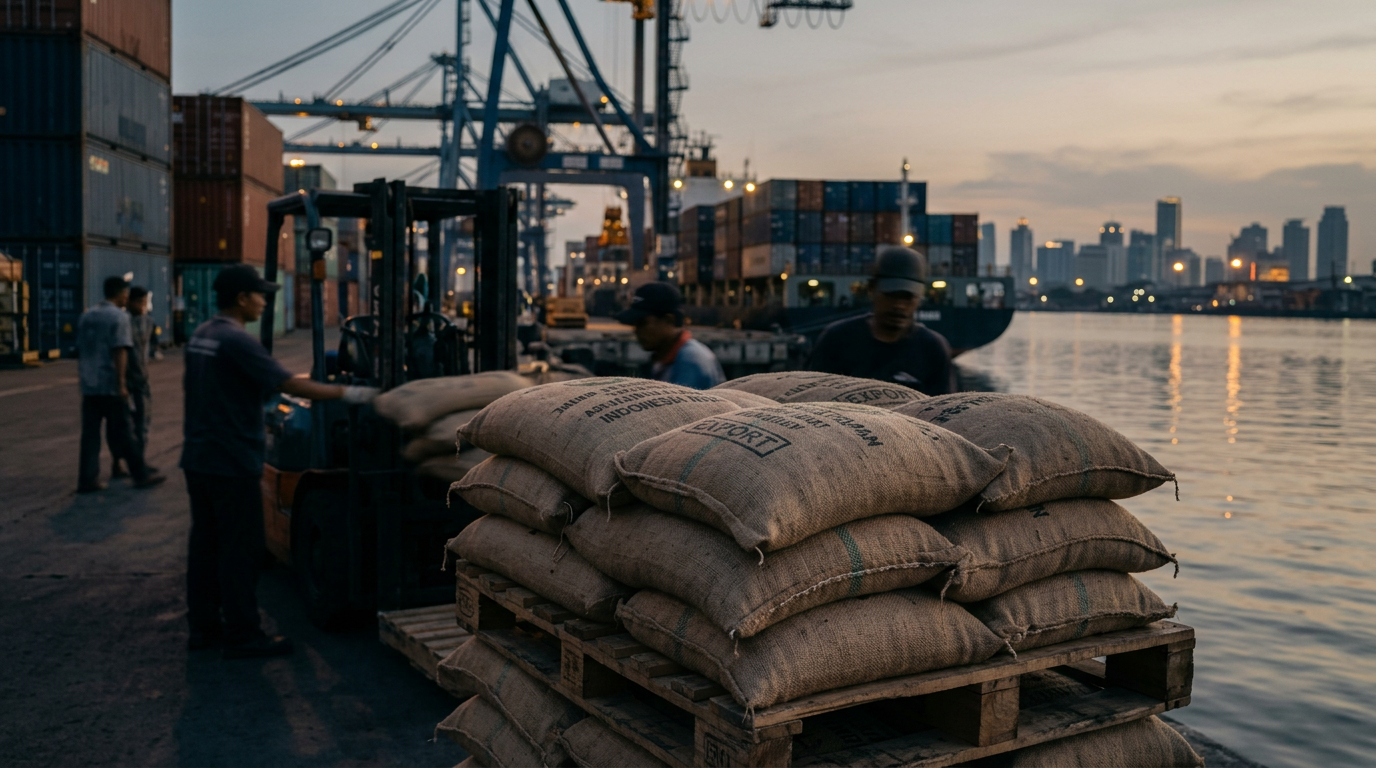
Indonesia's plan to export 1,000 metric tons of premium rice to Malaysia, as reported by en.tempo.co, is a small but telling transaction. While the volume is modest, the context is significant. For Indonesia, a net importer of rice for two decades, this export signals a symbolic return to a capacity for self-sufficiency and surplus. For Malaysia, it is a routine diversification of its import sources. For ASEAN, it is a quiet demonstration of how regional food security is managed through bilateral agreements between member states, rather than through a centralized, institutional mechanism.
Institutions
The ASEAN Plus Three Emergency Rice Reserve (APTERR) was established as a collective food security mechanism. It is a system designed to provide a buffer against supply shocks and price volatility in the region. However, the Indonesia-Malaysia deal operates outside of APTERR. This highlights a persistent preference for bilateralism within ASEAN. Member states often find it more practical and politically expedient to secure their food supplies through direct negotiations with their neighbors. Such arrangements allow for more control and flexibility than relying on a multilateral framework, which can be slower and more bureaucratic. This deal, while small, reinforces the pattern of member states prioritizing national-level execution and direct partnership over broader institutional solutions.
Execution and Trust
The foundation of this rice deal, and others like it, is trust. The transaction relies on the confidence that both parties have in the quality of the product, the reliability of the logistics, and the stability of the political relationship. Indonesia's state logistics company, Bulog, is not just selling rice; it is showcasing its capability to produce and deliver a high-quality agricultural product. This execution builds trust not only with Malaysia but with other potential buyers in the region. As noted in ASEAN Rising, the management of dependency is a core concern for all member states. By sourcing from a neighbor, Malaysia reinforces a network of regional trust and interdependence, subtly strengthening ASEAN's internal cohesion one trade at a time, without resorting to grand institutional pronouncements.
China and Strategic Weight
While this is an intra-ASEAN trade, the larger strategic context, particularly the role of China, is ever-present. China is a major player in regional agriculture and trade, and its influence shapes the choices available to ASEAN nations. For ASEAN members, building stronger internal trade networks in essential commodities like rice is a quiet way to enhance collective resilience. Every transaction between member states is a small assertion of the bloc's own economic gravity. The book points out that for ASEAN governments, the main issue is "how to manage dependency without losing optionality." Diversifying sources and strengthening internal supply chains for food are practical ways to maintain that optionality. It ensures that the region is not overly reliant on any single external partner, including China, for its basic needs.
What to watch: Observers should monitor the frequency and volume of intra-ASEAN agricultural trade agreements. An increase in such bilateral deals, particularly for staple foods, would indicate a deliberate strategy among member states to build a more integrated and self-reliant regional market. This would reflect a strategic choice to strengthen internal ties as a way to balance the influence of larger economic powers in the Indo-Pacific. Pay attention to whether these deals remain purely bilateral or if they begin to integrate more with ASEAN-wide institutional frameworks like APTERR.