Indonesia
Indonesia and the Challenge of Turning FDI Pledges into Reality
Indonesia has secured impressive FDI commitments, especially in strategic sectors like EV manufacturing. The next step is the harder one: translating those announcements into realised investment through institutional capacity and on-the-ground execution.
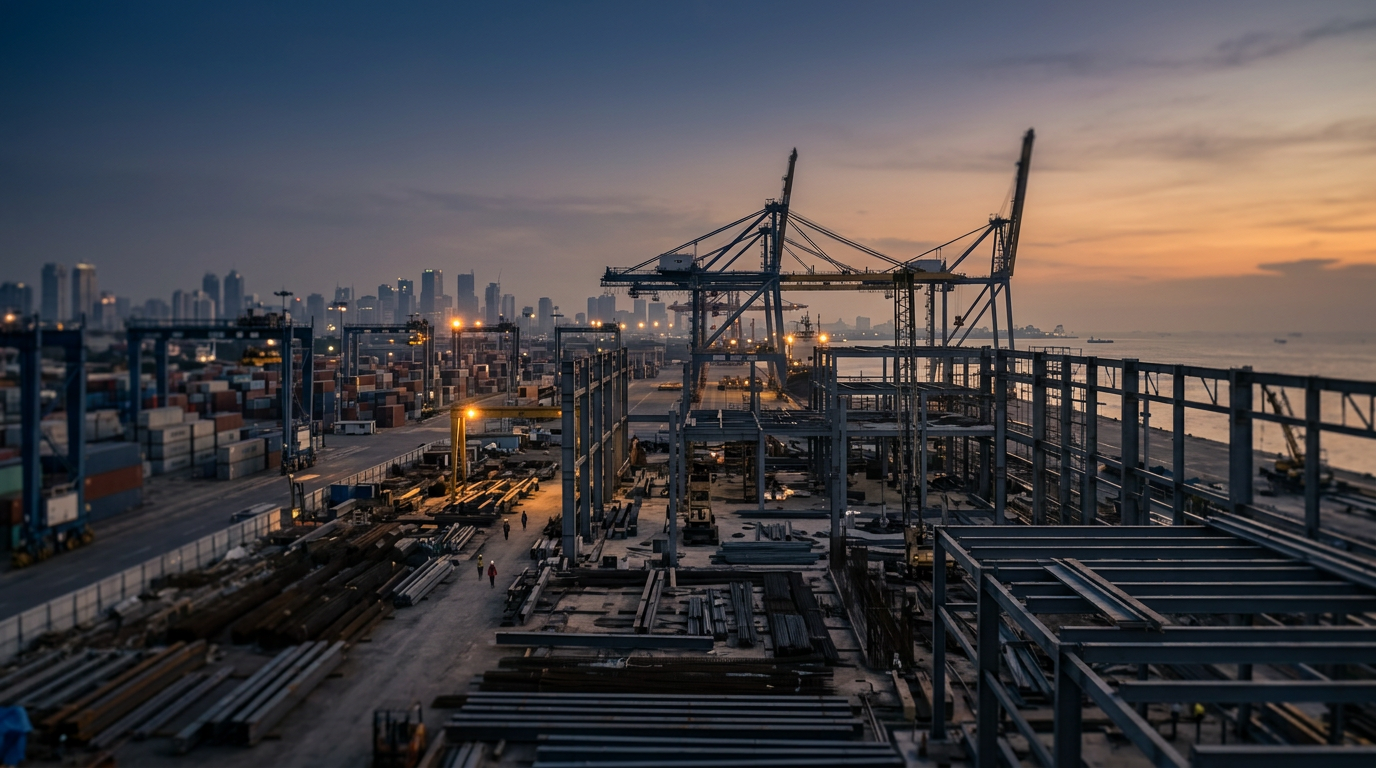
A recent announcement from a major South Korean conglomerate signals its intent to construct a new electric vehicle battery plant in Indonesia. According to reporting from the Financial Times, this move is part of a larger trend of foreign direct investment flowing into the country's burgeoning downstream industries. This follows earlier nine-figure commitments from global automakers aiming to establish Indonesia as a key node in their EV supply chains. The headline figures are substantial, but they represent the beginning, not the end, of the investment story.
From Announcement to Operation
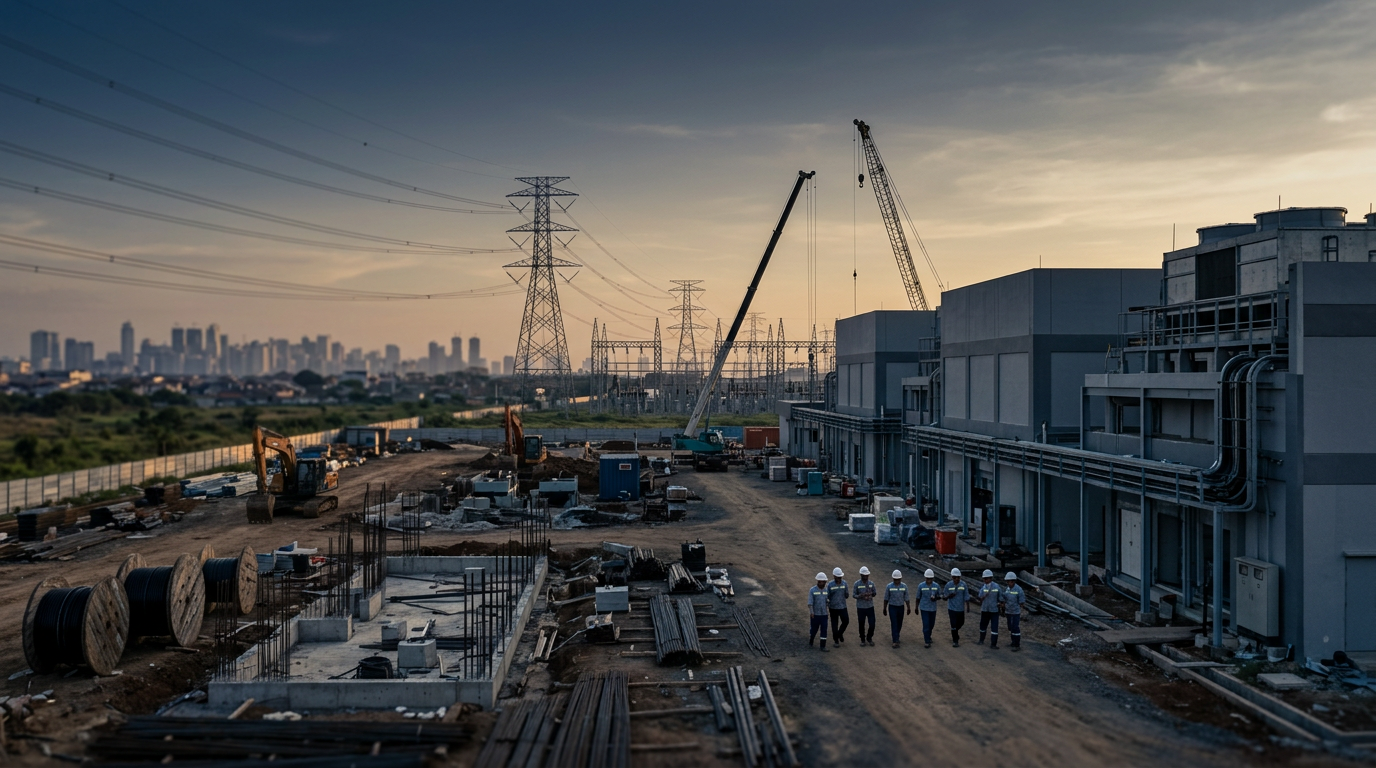
Foreign investment pledges generate positive headlines, but their true economic impact depends on their conversion into "realised flows," as noted in the book ASEAN Rising. The journey from a press conference to a fully operational facility is a long one, encountering practical hurdles that test the capacity of local institutions. The process involves securing land, navigating a complex world of permits, ensuring reliable power supply, and sourcing a workforce with the right skills.
Indonesia possesses undeniable scale, a huge domestic market, and rich nickel reserves essential for EV batteries. This combination makes it a logical target for investment. However, the country's success will be determined by its ability to create an environment where capital can be deployed efficiently. It is this slower, less glamorous work of institutional follow-through that ultimately turns a large population and abundant resources into genuine, investable economic depth.
Building Institutional Trust
The central government in Jakarta has made improving the investment climate a priority, streamlining regulations and offering incentives for strategic sectors. The challenge, however, often lies in the execution at the provincial and local levels. Investors require predictability and transparency throughout the project lifecycle. Delays in any one of the core areas - land acquisition, permit approvals, or infrastructure readiness - can stall a project indefinitely, leaving capital on the sidelines.
Building trust with foreign investors is a cumulative process. Each project that successfully navigates the administrative and logistical maze and reaches completion becomes a proof point for others. This track record of successful implementation is more powerful than any investment promotion campaign. For Indonesia, the goal is to make the experience of building and operating a business on the ground as compelling as the top-line strategic case for investing in the country in the first place.
What to watch
Keep an eye on the ratio of realised to announced FDI in Indonesia over the coming 18-24 months, particularly in the EV and battery sectors. Progress in key infrastructure projects, especially those related to industrial parks and power generation, will also be a leading indicator of the country's capacity to absorb the large-scale investment it is attracting. The development of vocational training programs tailored to advanced manufacturing will signal whether the talent pipeline can keep pace with investor demand.