From Handshake to Hard Hat: ASEAN-GCC Investment Ambitions Test Execution Capacity
Headline commitments on investment from the Gulf are welcome, but turning them into realised flows will depend on the slower work of land, permits, power, and talent.
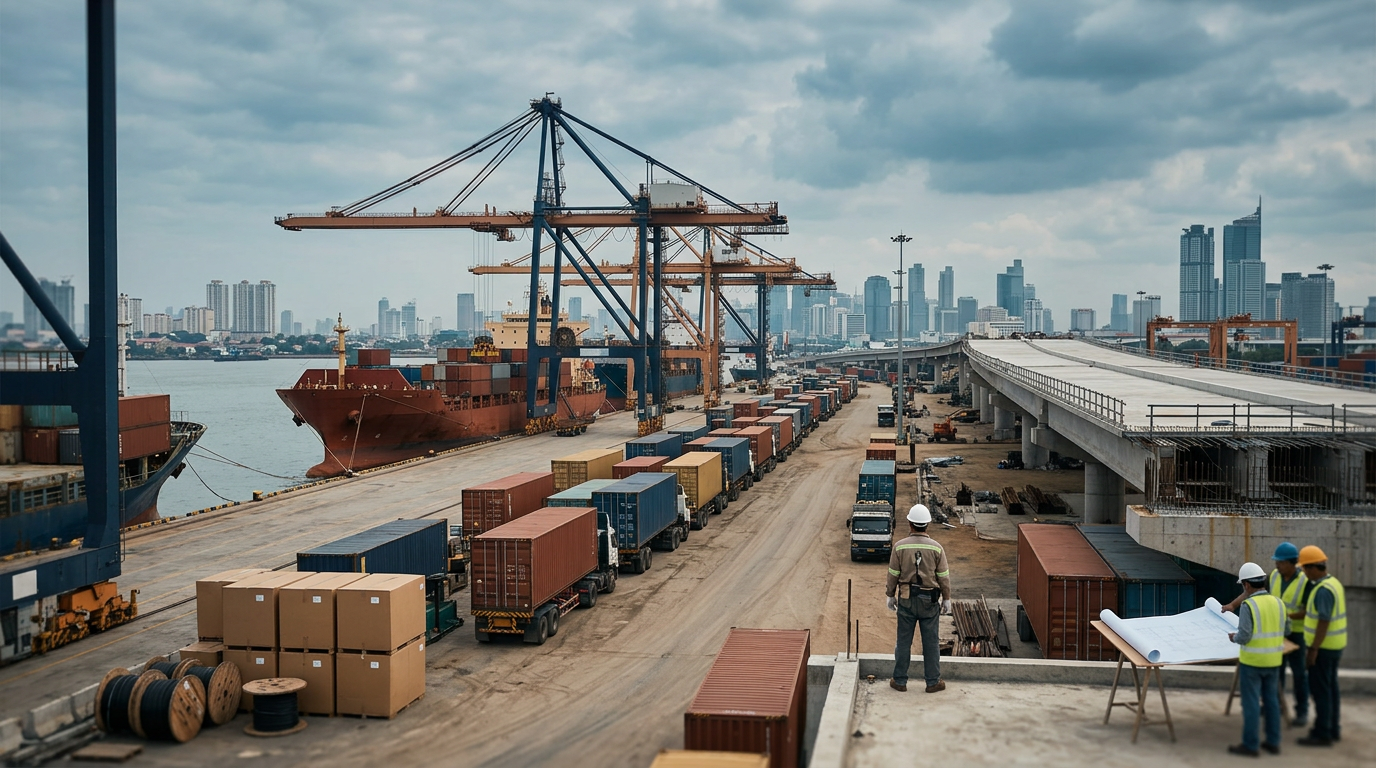
ASEAN and the Cooperation Council for the Arab States of the Gulf (GCC) are laying the groundwork for a deeper economic relationship. A recent joint statement from the two blocs reaffirmed their commitment to strengthening cooperation, following up on the first ASEAN-GCC Summit in 2023. As reported by ASEAN.org, the discussions covered the future direction of their partnership, with investment as a central pillar.
The GCC, a bloc of capital-rich Gulf monarchies, has long been a source of significant foreign direct investment (FDI) for Southeast Asia. The renewed diplomatic push aims to build on this foundation. The stated goal is to translate high-level commitments into tangible projects that support economic development across ASEAN. However, the path from a diplomatic announcement to a completed project is fraught with complexity, testing the institutional capacity of recipient nations.
The Execution Challenge
Grand investment announcements generate positive headlines, but their real-world impact hinges on execution. This is where the institutional frameworks of ASEAN member states come under scrutiny. As detailed in "ASEAN Rising", the ability to absorb and effectively deploy large-scale foreign investment is not a given. The book notes that "scale matters only when institutions can turn it into investable depth."
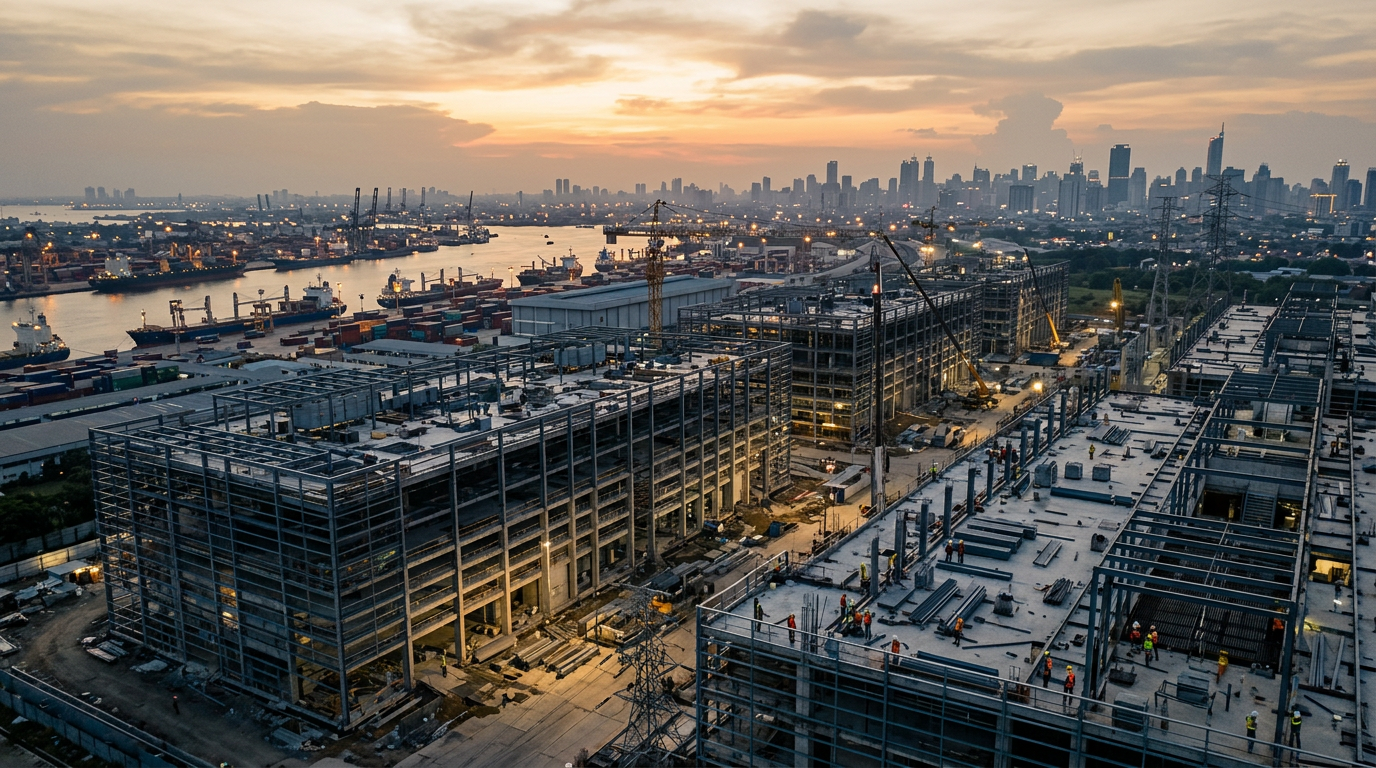
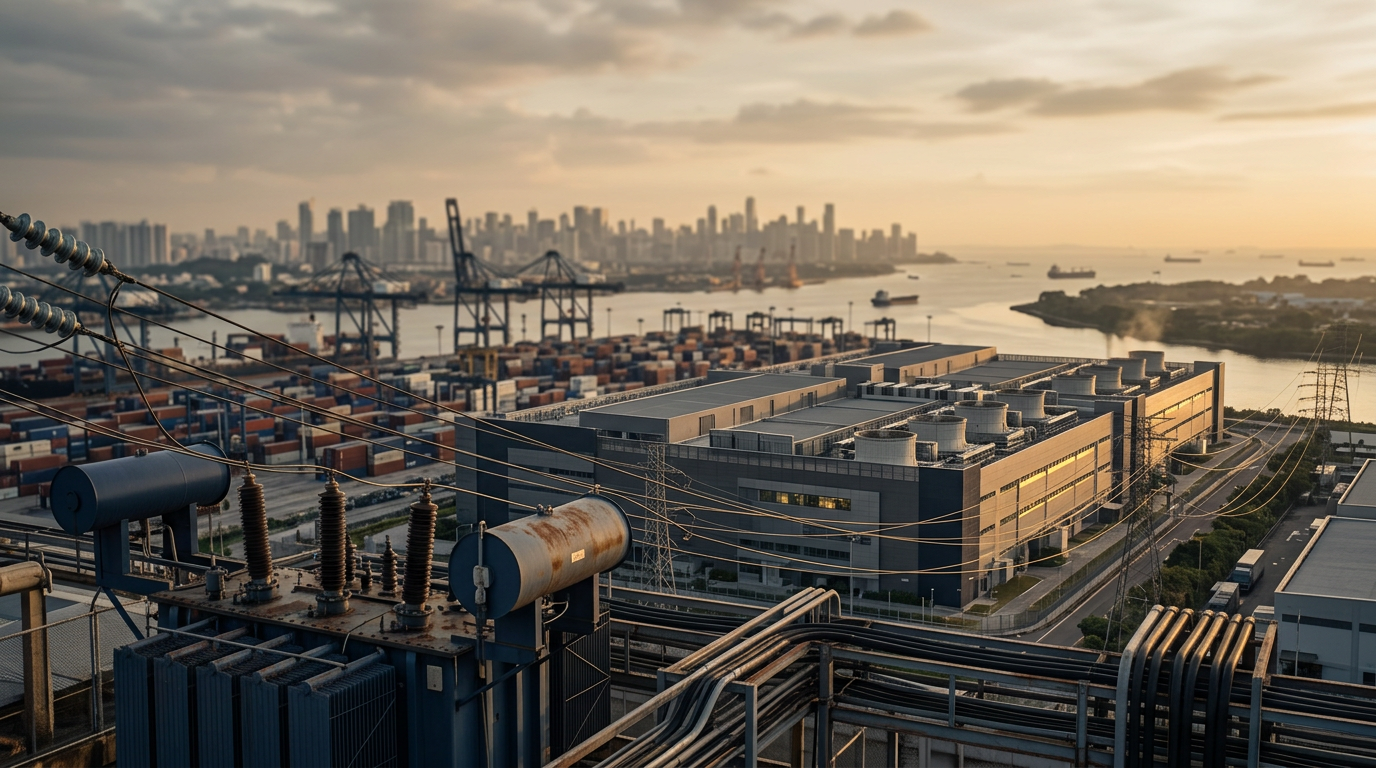
Capital from the GCC, or any other source, requires a long chain of local inputs to become productive. Securing land titles, navigating permitting processes, ensuring reliable power supplies, and sourcing skilled labor are all critical steps. These are often the friction points where announced FDI stalls or fails. Bureaucratic efficiency, regulatory clarity, and the rule of law are the bedrock upon which successful investments are built. Without them, ambitious cross-regional partnerships struggle to achieve their full potential.
Institutions and Investable Depth
The challenge for ASEAN countries is to create an environment where foreign capital can be deployed efficiently and predictably. This involves more than just offering fiscal incentives. It means building robust institutions that can manage the complex logistics of major infrastructure and industrial projects. The slower, less glamorous work of institutional reform is what ultimately determines whether a country can convert investor interest into realised flows.
For the ASEAN-GCC partnership to flourish, both sides must focus on the practical details of implementation. For the GCC, this may mean providing technical assistance to help streamline regulatory processes. For ASEAN nations, it requires a sustained commitment to improving the on-the-ground conditions for investment. The success of this partnership will be measured not by the size of the initial announcements, but by the number of projects that successfully break ground and reach completion.
What to watch
As ASEAN and the GCC move to implement their framework of cooperation, the key indicator to monitor will be the rate at which announced FDI projects are converted into realised investments. Observers should track the progress of specific projects, paying close attention to administrative hurdles related to land acquisition, permitting, and infrastructure readiness. The ability of ASEAN member states to address these execution challenges will determine the ultimate success of this enhanced economic partnership.