Philippines
Foreign Investment: From Announcement to Execution
Foreign investment pledges are one thing; realised investment is another. The gap between FDI announcements and on-the-ground implementation reveals much about an economy's institutional capacity and absorptive limits.
A recent projection from the ASEAN+3 Macroeconomic Research Office (AMRO) suggests that Philippine economic growth could slow to 3.4% by 2026, citing persistent inflation and weaker investment as primary concerns. As reported by philstar.com, this forecast highlights a persistent issue across Southeast Asia: the challenge of converting investment interest into tangible economic activity that fuels sustainable growth.
The Execution Gap
Attracting foreign direct investment (FDI) is a competitive endeavor, with national agencies celebrating large announcements as evidence of economic appeal. However, the headline figures for pledged FDI often diverge significantly from the amount of capital that is actually deployed. This gap between announcement and realisation is a critical indicator of an economy's structural health. The journey from a press release to a functioning factory or a fully staffed office is long and fraught with friction.
As detailed in the book ASEAN Rising, the core issue is whether a country possesses the institutional framework to translate scale into genuine, investable depth. The initial excitement of an investment announcement can quickly fade when confronted with the practical realities of project execution. Investors must navigate a complex landscape of regulations and logistical hurdles before capital can be put to work.
From Pledges to Projects
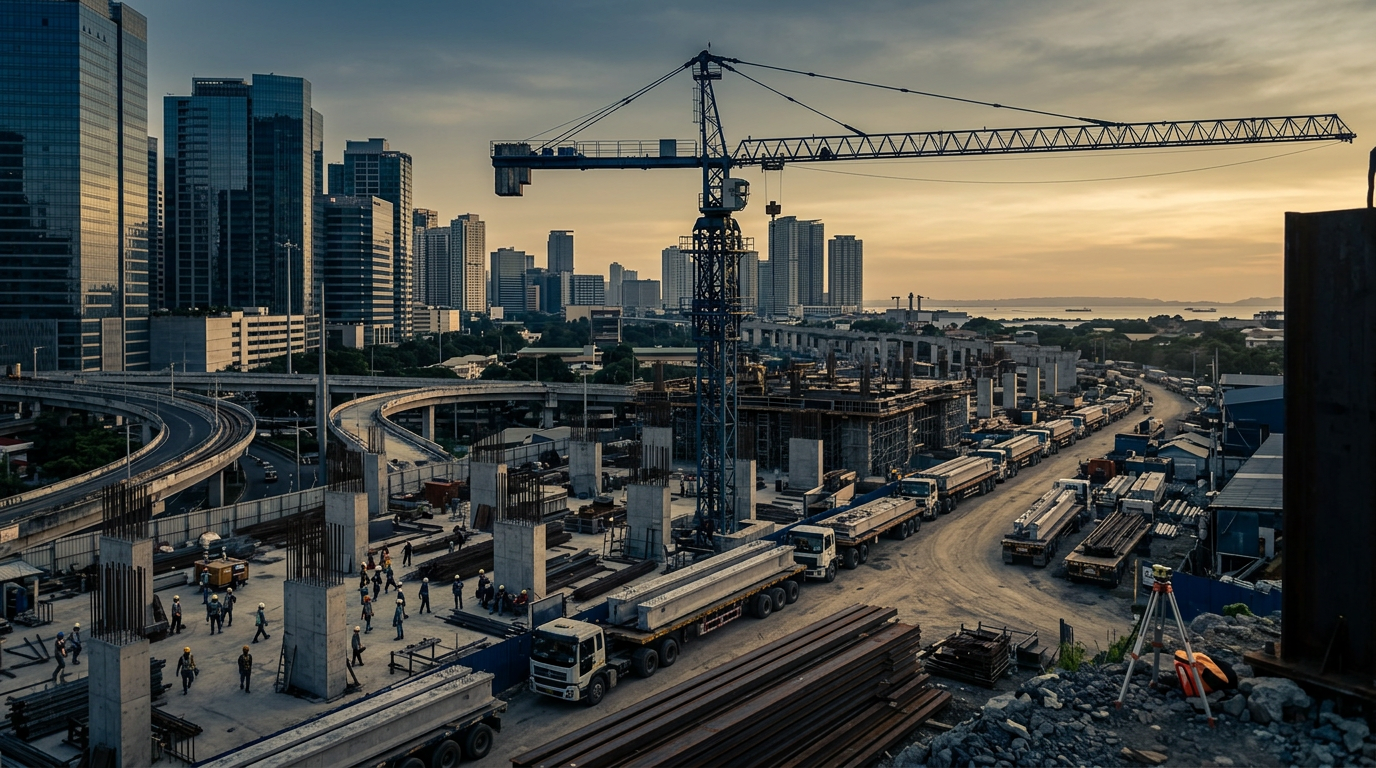
The process of turning an investment pledge into a productive asset involves a series of non-negotiable, ground-level tasks. These include securing land titles, obtaining the necessary permits from multiple layers of government, ensuring reliable access to electrical power, and connecting to transportation infrastructure like roads and ports. Each of these steps represents a potential bottleneck that can delay or even derail a project.
FDI announcements may travel quickly, but as the book notes, "realised flows depend on the slower work of land, permits, power and talent reaching the ground." A multi-billion dollar commitment to build a new manufacturing hub, for instance, is contingent on the state's ability to deliver on these foundational requirements. When the process is slow, opaque, or unpredictable, investors may redirect their capital to markets with more efficient and transparent implementation pathways.
Institutions and Infrastructure
The ability to absorb large-scale investment is not just about having a large population or a strategic location. It is fundamentally about the quality of institutions and the adequacy of infrastructure. Weak institutions can lead to bureaucratic delays, corruption, and policy uncertainty, all of which increase the risk and cost of doing business. Underdeveloped infrastructure, from power grids to digital networks, further limits an economy's capacity to support new industrial and commercial projects.
Addressing these structural weaknesses is a long-term endeavor. It requires sustained political will to streamline regulations, strengthen legal frameworks, and invest in public goods. For countries like the Philippines, improving the investment climate is not merely about attracting more pledges, but about ensuring that those pledges translate into jobs, productivity gains, and durable economic growth.
What to watch
Pay attention to the ratio of realised to approved FDI in the Philippines and its ASEAN neighbors over the next 18-24 months. This figure provides a clearer signal of investor confidence and institutional effectiveness than headline announcements. Also, monitor government initiatives aimed at simplifying business registration, land acquisition, and the permitting process, as these are direct measures of a country's commitment to closing the execution gap. The trajectory of infrastructure spending, particularly in energy and transport, will also be a key determinant of whether investment intentions become economic reality.