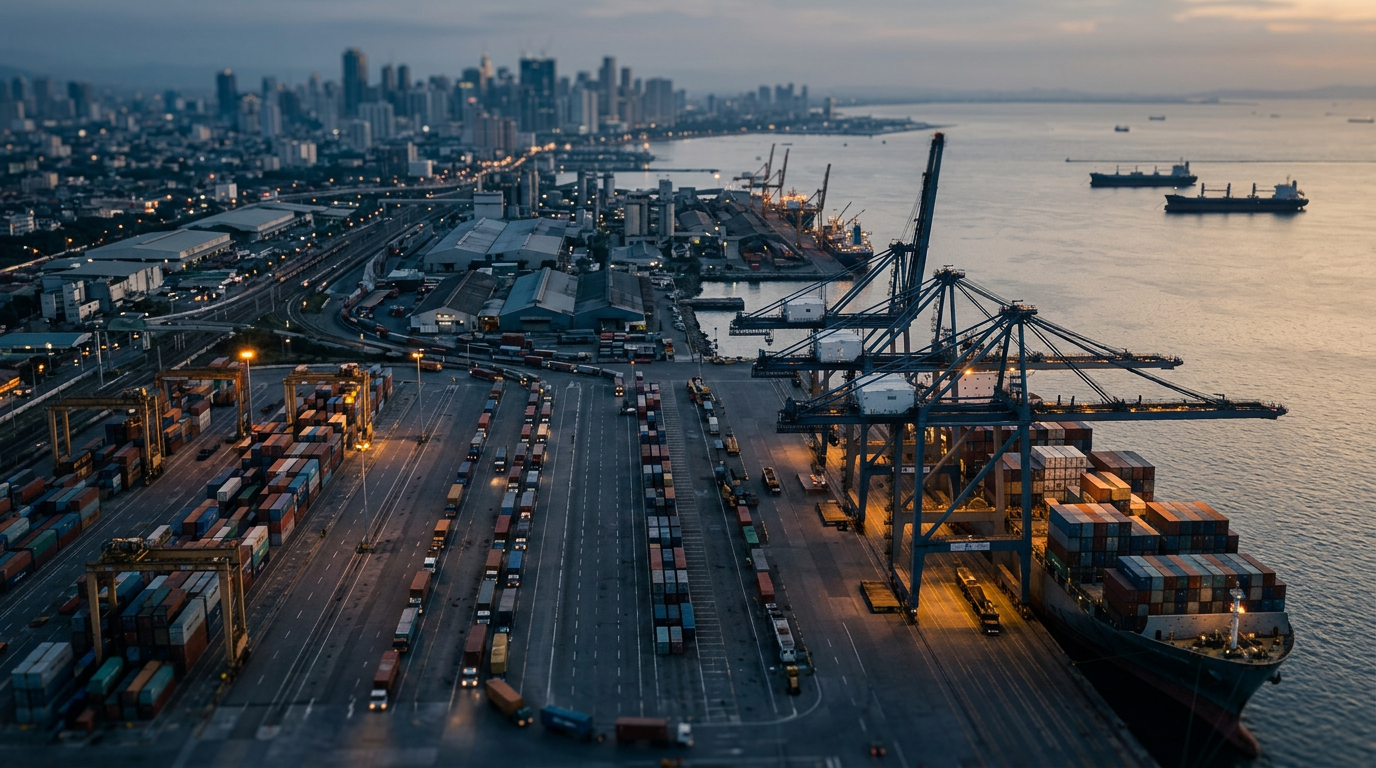
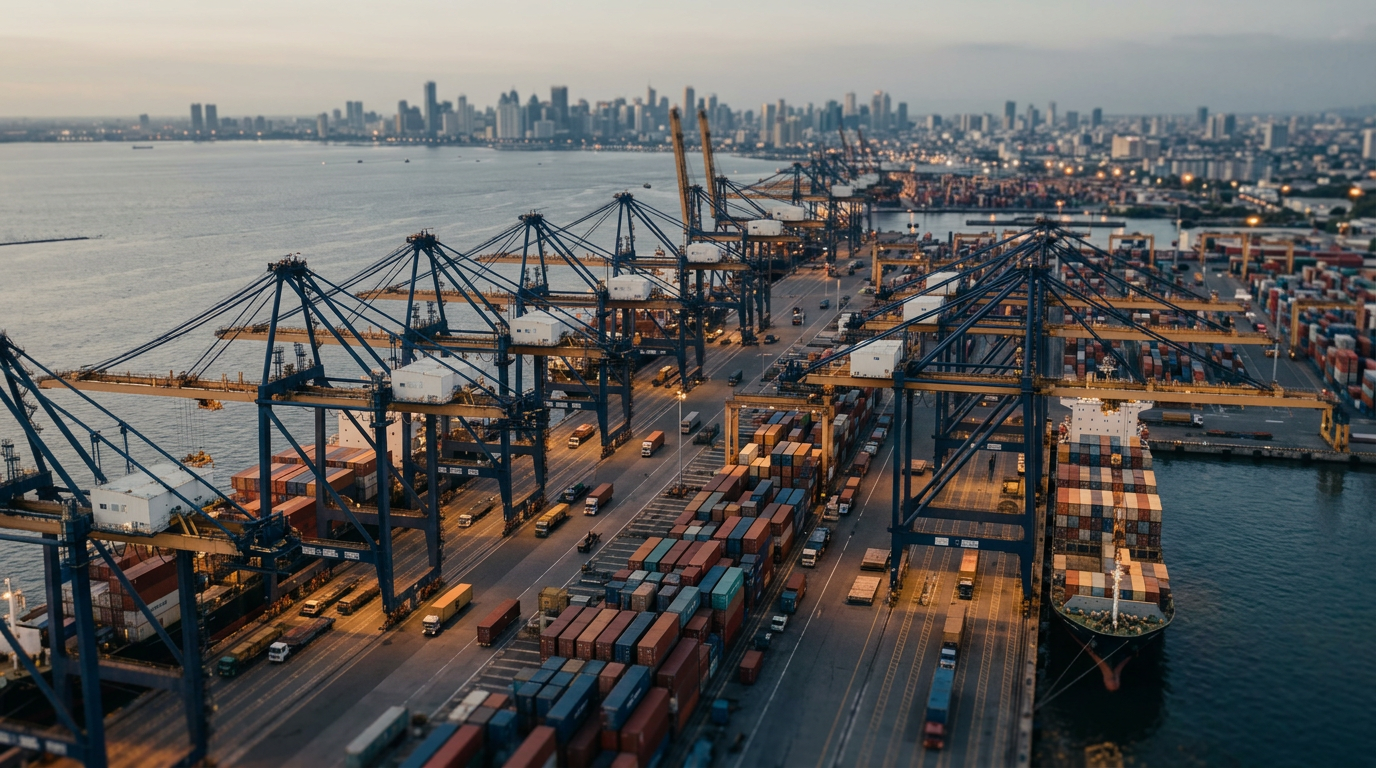
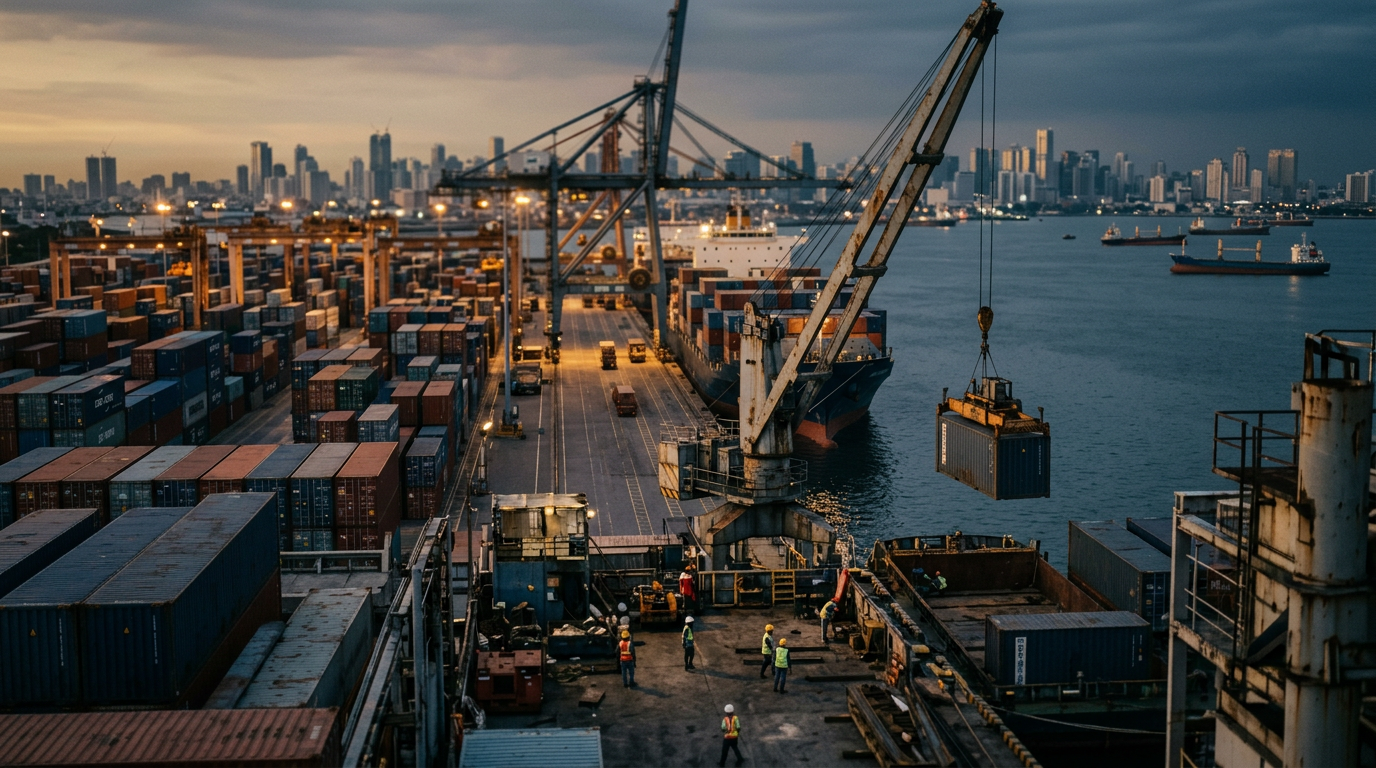
Philippines
Foreign Direct Investment Beyond the Headlines
FDI announcements are easy. Realised investment flows depend on the slower, harder work of improving institutions, execution, and local conditions.
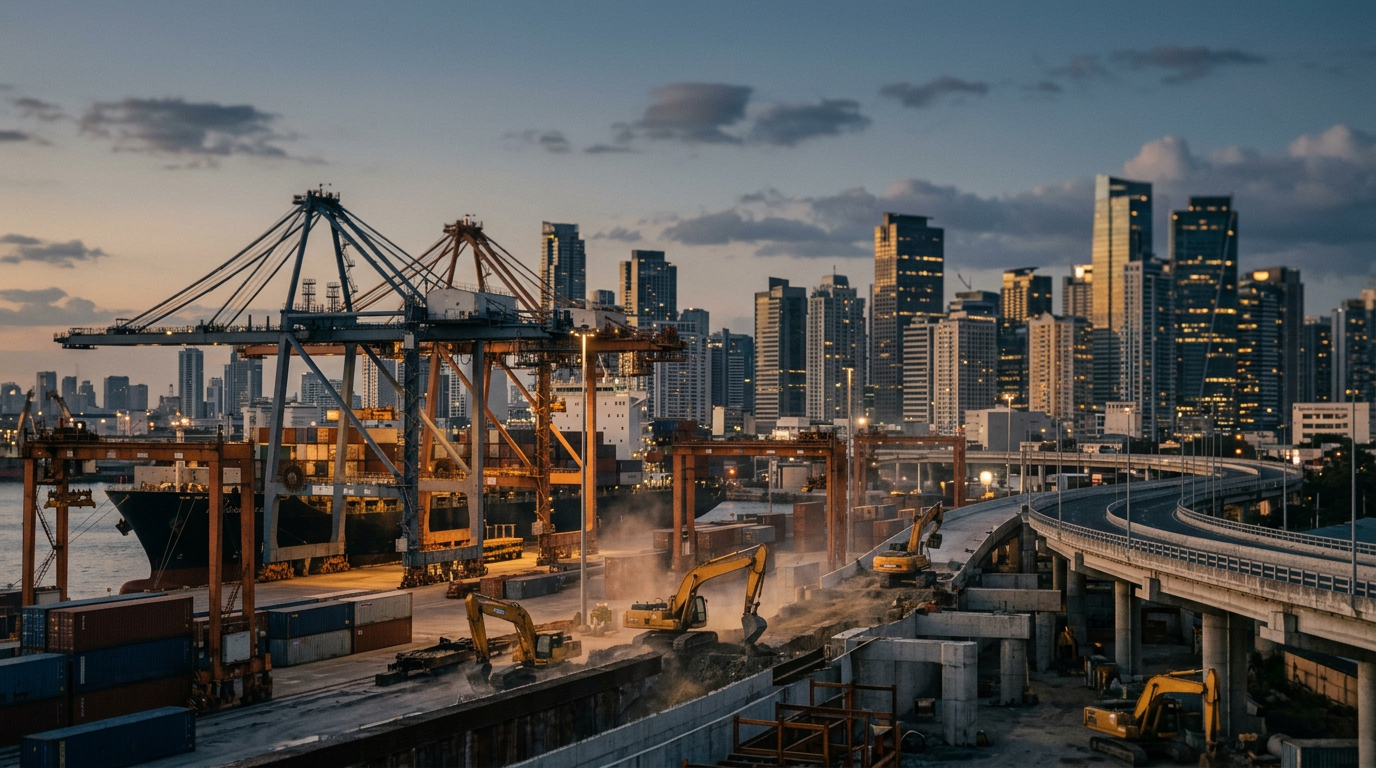
An August 23rd report from philstar.com highlighted growing pressure on the Philippine peso, stemming from a persistent balance of payments deficit and a decline in foreign exchange reserves. While many factors influence a country's external position, the report puts a spotlight on the broader competitive landscape for foreign investment in the region. The dynamics of foreign direct investment (FDI) extend far beyond initial announcements, touching on the core themes of institutional capacity and execution that determine which economies capture and retain capital.
The Gap Between Announcement and Reality
Across ASEAN, governments frequently announce large FDI figures with considerable fanfare. These announcements signal investor interest and can generate positive headlines. However, the true measure of investment is not the pledged amount but the capital that is actually deployed. As the book ASEAN Rising notes, "realised flows depend on the slower work of land, permits, power and talent reaching the ground." This gap between promised and realized FDI is a common story, and it reflects the underlying institutional friction that can inhibit growth.
For a foreign company, an initial investment decision is only the first step. The subsequent process involves navigating a complex web of regulations, securing land rights, ensuring reliable electricity supply, and finding a workforce with the necessary skills. Each of these steps is a test of a country's institutional quality. Delays or uncertainty at any stage can lead to postponed or cancelled projects, meaning the announced economic benefits never materialize. The headline-grabbing number is a measure of interest; the realized investment is a measure of execution.
Execution as a Competitive Advantage
In the competitive contest for capital, the ability to execute is paramount. Countries that can provide a predictable, efficient, and transparent process for investors will consistently outperform those that cannot. This is not just a matter of having the right laws on the books; it is about the day-to-day functioning of the bureaucracy and the legal system. It is about the investor's confidence that contracts will be enforced and that regulations will be applied fairly and consistently.
Take the example of building a new manufacturing facility. The investor needs to acquire land, a process that can be fraught with legal challenges and local disputes in some jurisdictions. It needs permits for construction and operation, which can involve multiple agencies with overlapping or conflicting requirements. It requires access to stable and cost-effective power, a significant challenge in archipelagic nations. Finally, it needs access to a pool of trained labor. Weaknesses in any of these areas increase costs and risks, diminishing the attractiveness of the investment.
Strengthening the Foundation for Investment
Addressing these execution challenges is the hard work of economic development. It requires sustained focus on institutional reform. This includes streamlining bureaucracy, clarifying land ownership laws, investing in energy infrastructure, and aligning education and training programs with industry needs. These are not quick fixes, but long-term investments in the absorptive capacity of the economy.
Countries that successfully narrow the gap between announced and realized FDI demonstrate a commitment to improving the underlying conditions for business. They understand that scale, whether of population or market size, is only an advantage when paired with strong institutions. For the Philippines and its neighbors, the ability to convert investor interest into tangible projects is the foundation for sustainable growth and a more resilient external position.
What to watch
Observe how national and sub-national governments in the Philippines and across the region address on-the-ground implementation challenges. Pay less attention to the headline FDI announcements and more to the realized investment data, which is a clearer indicator of institutional performance. Progress in reducing red tape, improving infrastructure reliability, and developing skilled talent will be the key determinants of which ASEAN economies win the long-term competition for global capital.