Vietnam
Da Nang's Airport Expansion Signals Vietnam's Institutional Strength
Vietnam's commitment to the long-term expansion of Da Nang's airport is a case study in how "institutional reliability has become part of comparative advantage" for middle-income ASEAN states.
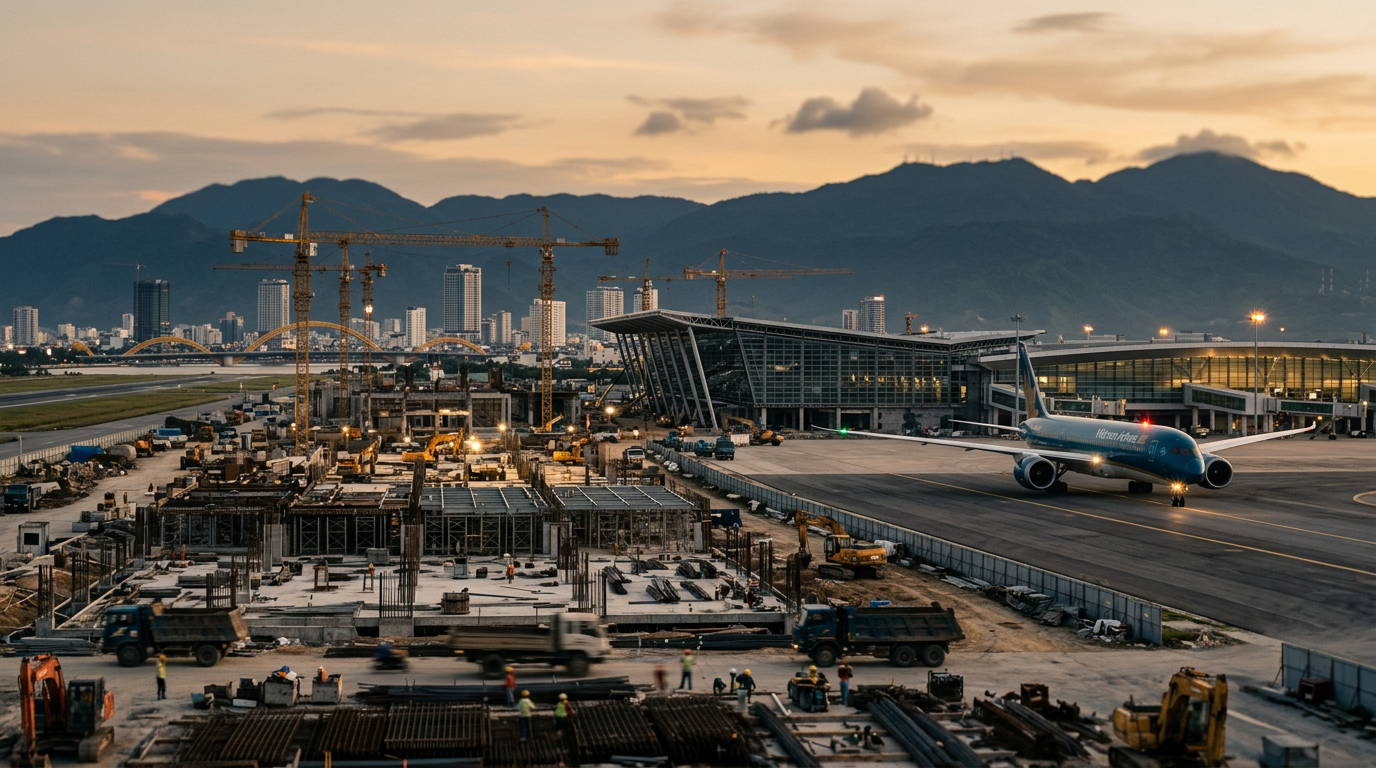
A US$379 million project to expand Terminal 1 at Da Nang International Airport is set to begin construction in August 2027, according to a report from VnExpress International. The planned upgrade, which aims to double the terminal's capacity to 28 million passengers per year by 2030, is a forward-looking investment in Vietnam's continued economic growth and its strategic position within ASEAN. While the groundbreaking is years away, the project's long-term planning and phased execution highlight a core theme of regional development: the growing importance of dependable state institutions in turning ambitious blueprints into reality.
Infrastructure as a Signal
Large-scale infrastructure projects are common announcements across Southeast Asia, but their real value lies in execution. As the book "ASEAN Rising" notes, infrastructure that is delivered on schedule sends a powerful signal to investors and the international community. It demonstrates a state's capacity to manage complex, multi-year undertakings that involve significant capital and coordination. The Da Nang airport expansion, overseen by the state-owned Airports Corporation of Vietnam (ACV), is a test of this principle. The project is not just about adding physical capacity; it is about building confidence in Vietnam's ability to deliver on its long-term development goals. This reliability is a crucial component of the country's investment proposition, differentiating it from neighbors where similar projects might face delays or political friction.
The Value of a Usable State
For foreign investors and multinational corporations, a predictable and functional state apparatus is often more attractive than one that offers grand but unrealized visions. The methodical approach to the Da Nang expansion-with clear timelines for approval, capital arrangement, and construction-exemplifies this idea. It shows a system that can translate national strategy into concrete action. This capacity for execution reduces the friction and uncertainty that can deter private capital. By ensuring that essential infrastructure like airports keeps pace with economic and tourism growth, Vietnam is reinforcing its status as a stable hub for manufacturing, logistics, and business services. The project demonstrates an understanding that "institutional reliability has become part of comparative advantage."
Capital and Capacity
The financing for the Da Nang expansion, which will be sourced from ACV's own capital, is as significant as the construction plans themselves. It reflects the financial health of a key state-owned enterprise and its ability to fund critical infrastructure without relying solely on external debt or foreign partners. This self-reliance in funding is a marker of institutional maturity. It allows the state to direct development according to its own strategic priorities and timelines. By pairing its financial capacity with the technical and administrative ability to execute a project of this scale, Vietnam is demonstrating the core ingredients required to sustain its economic trajectory and deepen its integration into the regional economy.
What to watch: The key indicator of success will be the adherence to the stated timeline, particularly the start of construction in 2027. Any significant delays could suggest underlying friction in planning or capital allocation. Conversely, meeting the schedule would reinforce the perception of Vietnam's institutional competence and its reliability as a destination for long-term investment. Observers should also monitor how the project is integrated with other transport and logistics infrastructure investments in the central region.