Philippines
China's Philippine Investment Surge: A Test of ASEAN's Framework
A recent 82.5% jump in Chinese direct investment to the Philippines, highlighted at a GBA-Asean summit, puts the spotlight on the region's ability to manage capital influx. This tests the core tenets of ASEAN's development model: institutions, execution, and trust.
An 82.5% surge in Chinese direct investment into the Philippines in the first five months of the year marks a significant financial headline. The figure, highlighted by a Philippine trade official at the recent GBA-Asean Summit in Hong Kong, underscores what was described as a "natural partnership" between the two nations, as reported by the China Daily Hong Kong Edition. While bilateral flows of this magnitude are noteworthy on their own, the development serves as a live case study for the entire ASEAN bloc, testing the absorptive capacity and institutional quality that will determine the long-term success of foreign direct investment (FDI).
For the Philippines, and by extension its neighbors, a capital injection of this scale presents both immense opportunity and significant challenges. It is a powerful illustration of the central theme in ASEAN Rising: the interplay between available capital and the frameworks in place to deploy it effectively. The core question is whether the domestic landscape is prepared to translate this flood of investment into sustainable, inclusive growth.
Capital and Infrastructure
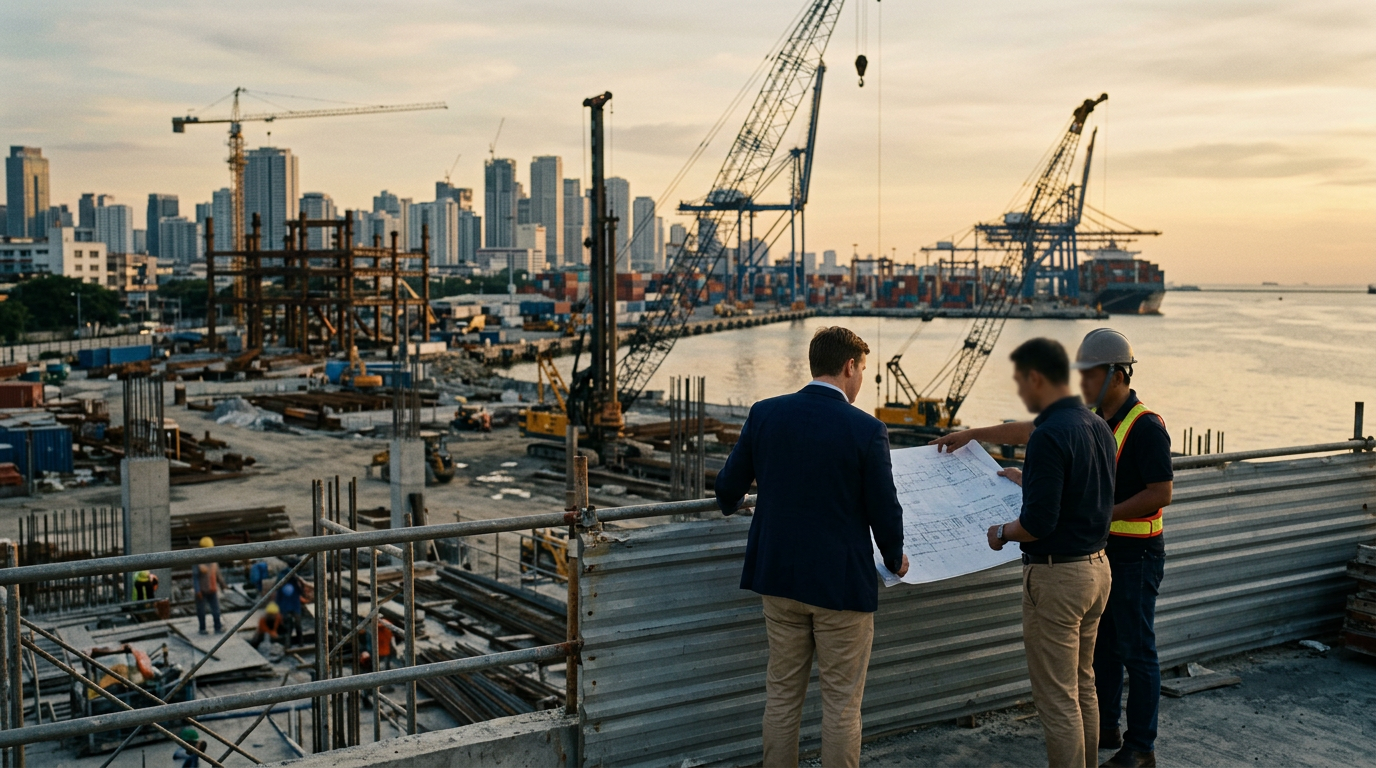
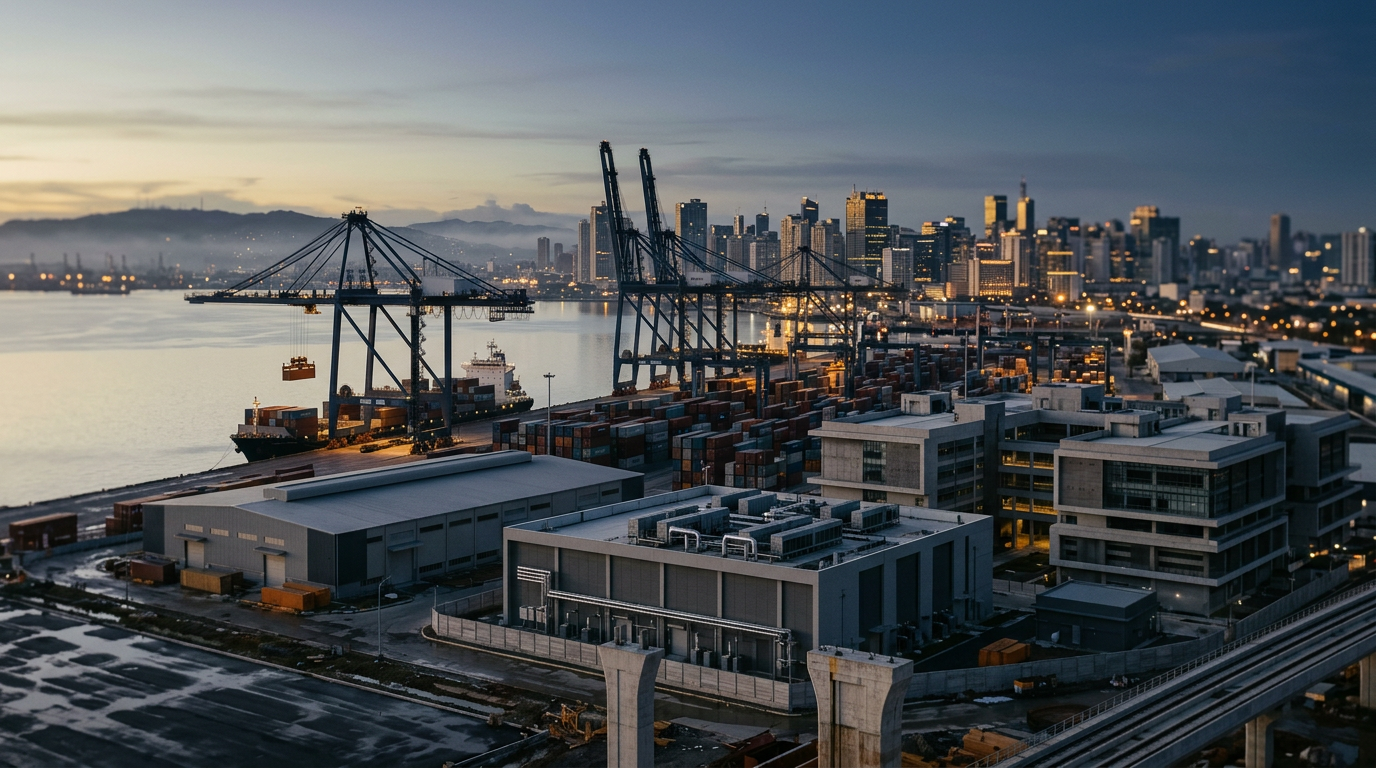
The most immediate application for a surge in FDI is typically closing a nation's infrastructure gap. The Philippines, like many of its ASEAN peers, faces a persistent need for better ports, roads, bridges, and digital connectivity to unlock economic potential. Chinese capital, offered through state-backed enterprises and private firms, presents a ready solution to this deficit. The promise is one of accelerated modernization, enhanced domestic and regional connectivity, and the job creation that accompanies large-scale construction projects.
However, this influx of capital is not without its risks. A heavy reliance on a single source of funding can create economic and political vulnerabilities. Furthermore, the nature of the projects funded is critical. The viability of these infrastructure projects must be assessed on sound economic principles, not just geopolitical alignment. The risk of creating "white elephant" projects-impressive in scale but economically unproductive-is real. ASEAN nations must ensure that the terms of these investments are transparent and do not lead to unsustainable debt burdens, a concern that has shadowed China's Belt and Road Initiative in other parts of the world. The challenge is to harness the capital for projects that genuinely enhance productivity and resilience, rather than simply accepting any and all funds on offer.
Institutions and Execution
The effectiveness of this investment hinges directly on the quality of domestic institutions and the capacity for disciplined execution. An 82.5% increase in investment flows places immense pressure on a country's regulatory, legal, and bureaucratic systems. Strong institutions are required to vet proposals, ensure fair and transparent procurement processes, and enforce environmental and labor standards. Without this robust governance, money can be misallocated, fuel corruption, or become entangled in local political disputes, diminishing its developmental impact.
Execution is the other side of this coin. ASEAN's development story is filled with ambitious plans that faltered due to poor project management and a lack of on-the-ground capacity. The ability to execute-to move a project from blueprint to operation on time and on budget-is a crucial, and often underestimated, variable. A surge in FDI tests the entire national apparatus, from national planning agencies to local government units responsible for permits and oversight. Success requires a professionalized bureaucracy and a strong political will to see projects through without interference or graft. This is where the rhetoric of a "natural partnership" meets the hard reality of governance.
Talent and Trust
Beyond concrete and capital, FDI