Brazil Looks to ASEAN, But Trade Follows Investment
The Secretary-General of ASEAN's recent meeting with Brazilian industry leaders highlights the potential for deeper trade ties. However, realising this potential requires a focus on improving the institutional capacity to absorb and deploy foreign capital effectively.
The recent meeting between ASEAN Secretary-General Dr. Kao Kim Hourn and leaders from the Federation of Industries of the State of São Paulo (FIESP) in Brazil signals a mutual interest in deepening economic ties. As reported by ASEAN.org, the discussions explored enhancing trade and investment between the two regions, with a particular focus on a potential ASEAN-Mercosur Free Trade Agreement (FTA).
While such high-level engagements are positive, the path from dialogue to tangible economic impact is a long one. The ambition to connect two of the world's most significant economic blocs is substantial. However, the success of any future agreement will not be determined by the political will to sign it, but by the on-the-ground capacity of ASEAN member states to absorb and facilitate the foreign direct investment (FDI) that underpins robust trade relationships.
Institutions and Implementation
Attracting FDI is often seen as a headline-grabbing success. A new factory, a major infrastructure project, or a tech investment announcement generates immediate positive attention. However, as noted in the book ASEAN Rising, the more difficult work begins after the press conference ends. The book argues that "realised flows depend on the slower work of land, permits, power and talent reaching the ground." This highlights a core challenge for many ASEAN nations: the gap between investment announcements and their actual implementation.
For Brazilian companies looking to expand into Southeast Asia, the process involves navigating a complex web of national and sub-national regulations. Securing land rights, obtaining the necessary construction and operational permits, ensuring reliable access to electricity and utilities, and recruiting a skilled workforce are all critical steps. These are not grand strategic considerations, but the mundane, process-heavy tasks that determine whether a project succeeds or fails. The efficiency and transparency of the institutions governing these areas are paramount. Inconsistent application of rules, bureaucratic delays, and a lack of coordination between government agencies can stall even the most promising ventures.
Capital and Infrastructure
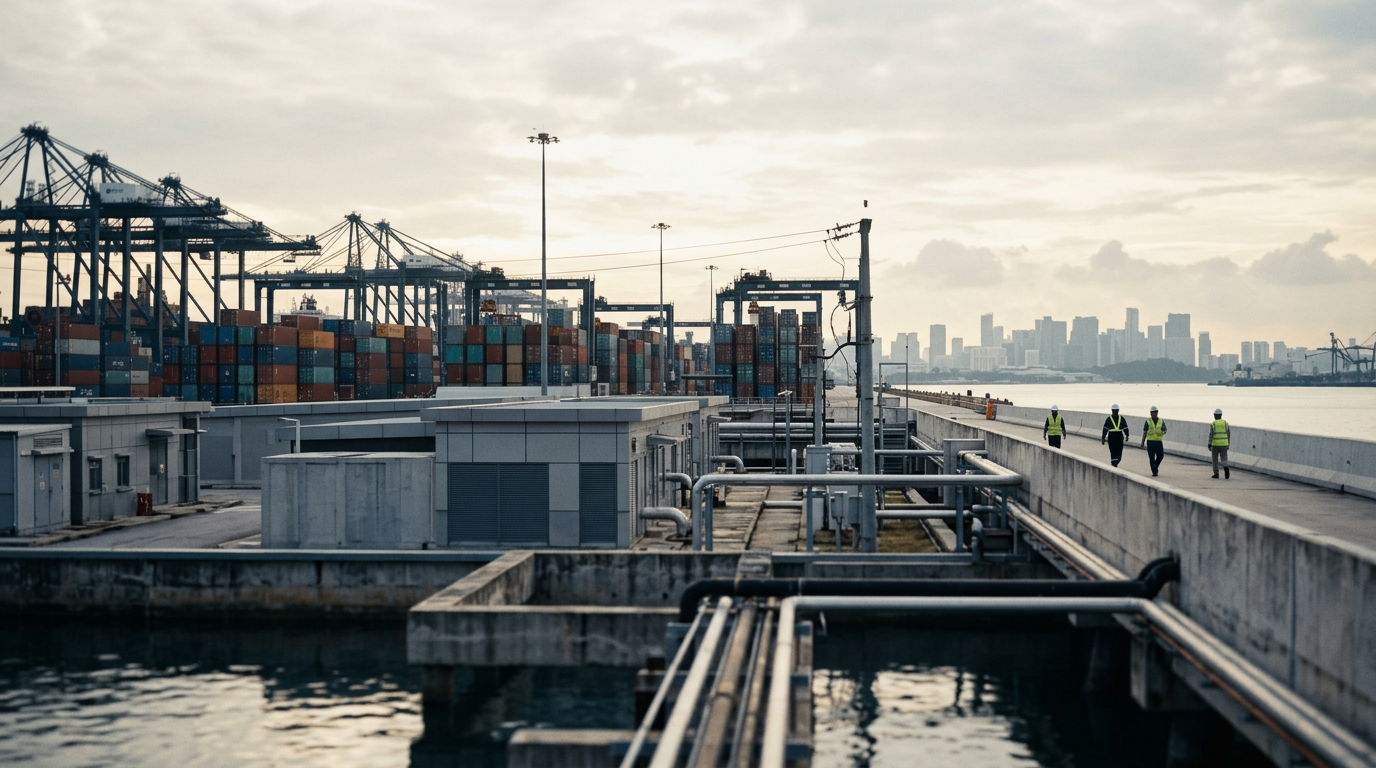
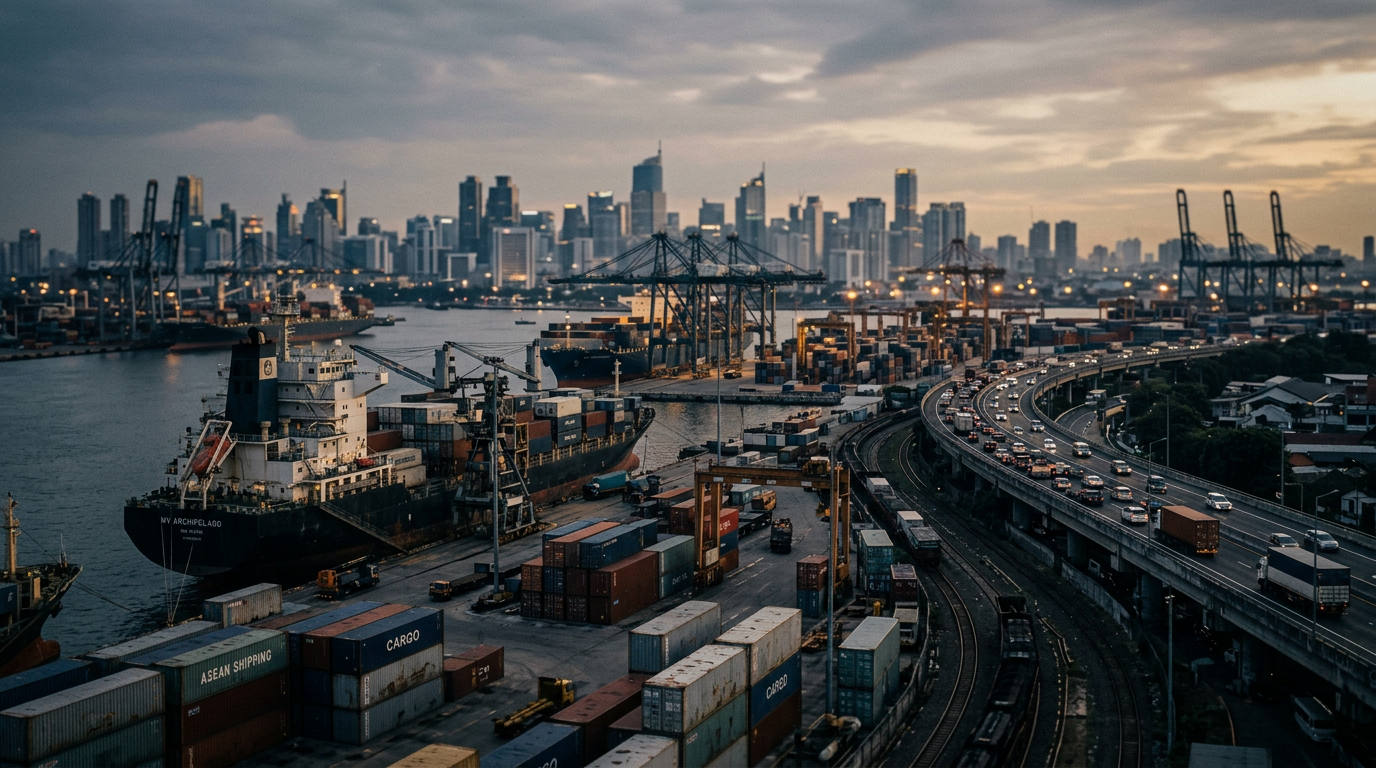
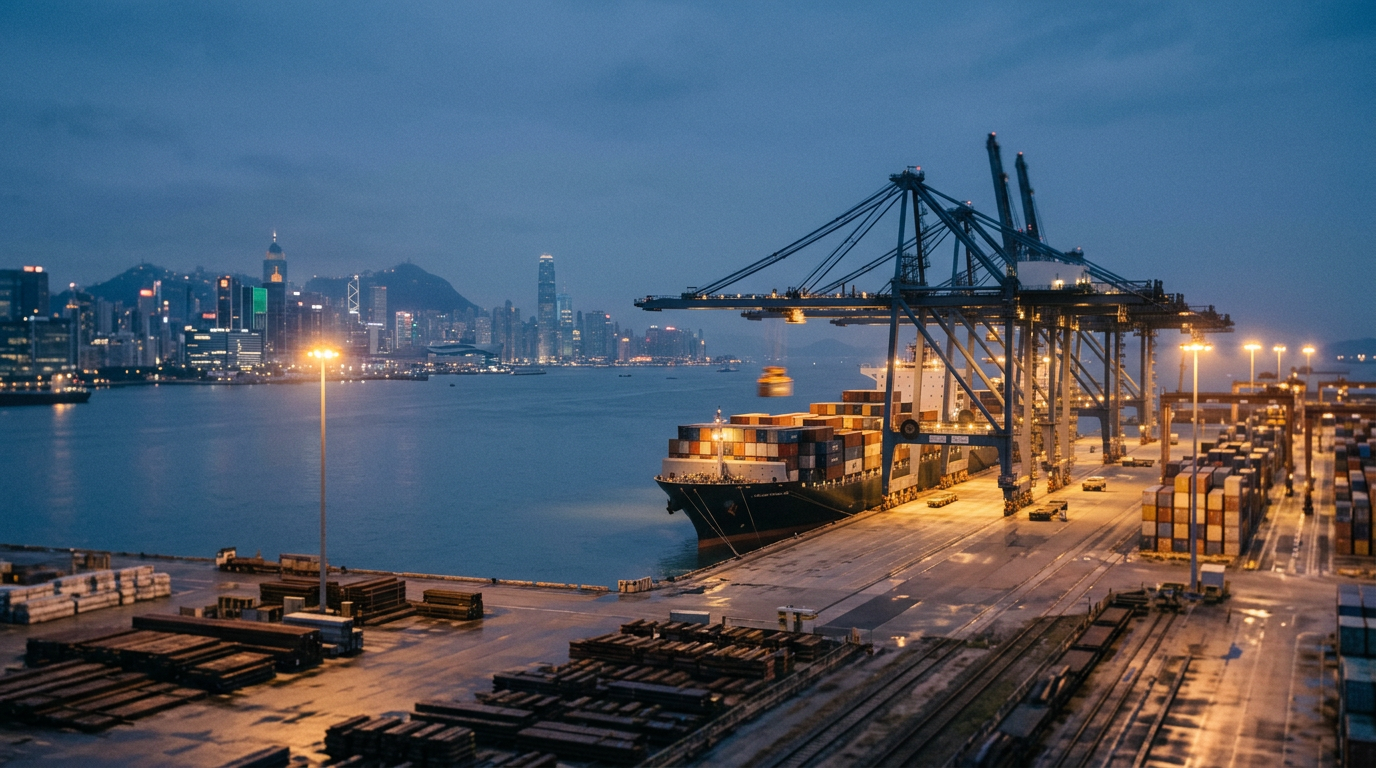
Discussions about an ASEAN-Mercosur FTA rightfully focus on the potential for increased trade in goods and services. Brazil, as an agricultural powerhouse, could find significant markets in Southeast Asia for its exports, while ASEAN's manufacturing base could serve the large Brazilian consumer market. However, this trade will not materialize without the infrastructure to support it. Modern ports, efficient logistics networks, and stable digital and energy infrastructure are the conduits through which international commerce flows.
Foreign capital is essential for building this infrastructure, but investors require certainty and a clear view of returns. The institutional framework must support this. For example, a Brazilian firm considering an investment in an Indonesian processing plant will scrutinize not only the market demand for its products but also the reliability of the local power grid, the quality of the roads connecting the plant to the nearest port, and the efficiency of the customs procedures at that port. These are not separate issues; they are interconnected components of the investment calculus. A weakness in any one area can undermine the viability of the entire project, demonstrating how institutional quality and physical infrastructure are deeply linked.
What to watch: The progress of any ASEAN-Mercosur FTA negotiations will be a key indicator of political intent. However, the more telling metrics will be found in the national-level reforms within ASEAN member states aimed at streamlining bureaucracy, improving infrastructure, and strengthening the rule of law. The ability of ASEAN countries to translate high-level trade ambitions into concrete, investor-friendly realities on the ground will determine whether the potential of a partnership with Brazil is fully realised.