Singapore
Brazil Comes Calling on ASEAN For Energy Cooperation
Talks on energy security and renewables between ASEAN and Brazil are a reminder that a state

On 18 August 2026, the Secretary-General of ASEAN, Dr. Kao Kim Hourn, met with Brazil's Vice Minister of Mines and Energy, H.E. Gustavo Ataide. According to the official readout, the discussion focused on strengthening energy cooperation between the bloc and the South American nation, touching on energy security and the development of renewables. The meeting, detailed on the ASEAN Secretariat website, is a useful moment to consider the role of institutional capacity in delivering on the promise of such partnerships.
Institutions and Energy Infrastructure
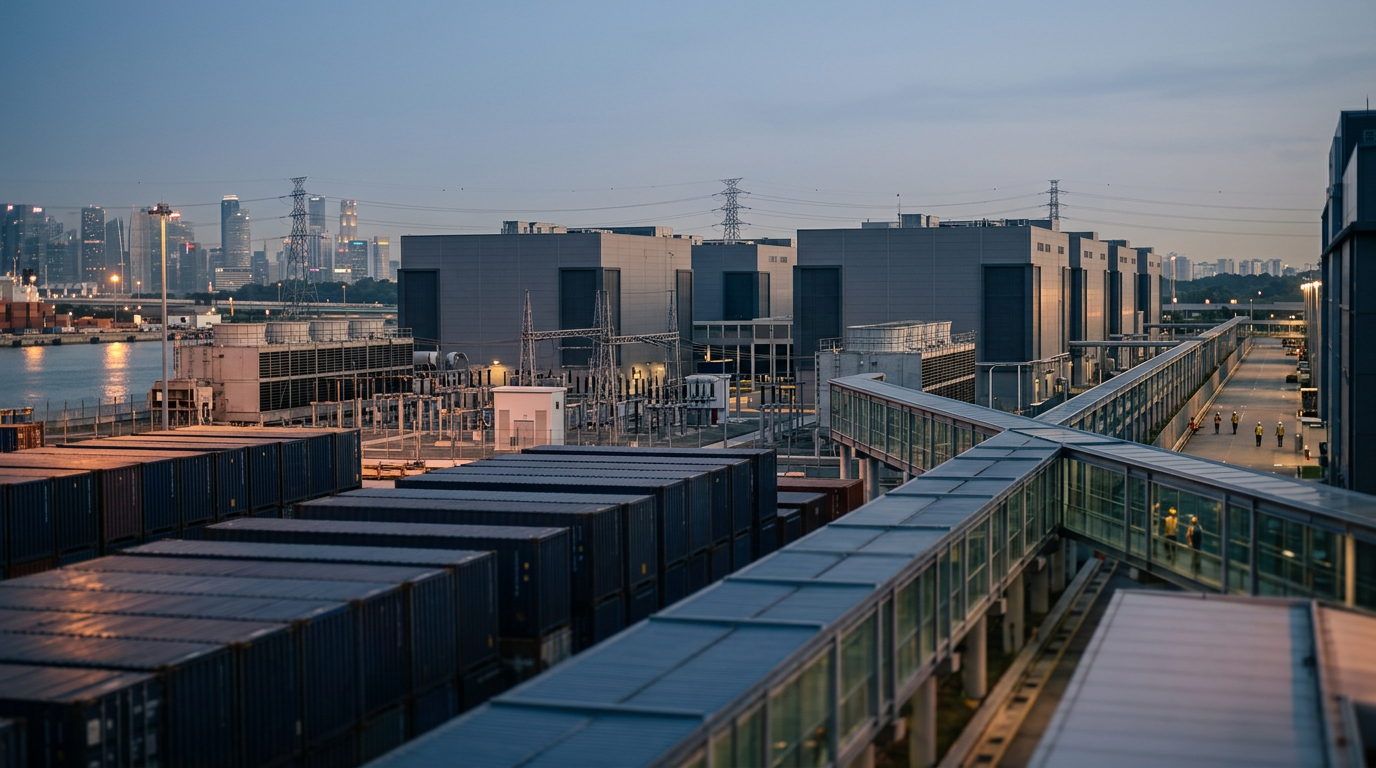
Brazil, a leader in renewable energy, particularly in hydropower and biofuels, sees a natural partner in ASEAN. The bloc is a massive and growing energy market, with a collective commitment to increasing the share of renewables in its energy mix. However, the success of any potential ASEAN-Brazil energy cooperation will depend less on high-level agreements and more on the practical ability of ASEAN member states to execute complex, long-term projects. The development of energy infrastructure-from solar farms and wind turbines to the grid modernization required to support them-is a direct test of state capacity.
As the book ASEAN Rising notes, the ability to deliver tangible results is a core component of national strength. For foreign partners like Brazil, a government that can ensure infrastructure projects are completed on schedule and within budget is an attractive and reliable one. This predictability is a form of comparative advantage. When member states demonstrate this capacity, they signal their readiness for investment and their ability to absorb and effectively deploy capital and technology. A track record of successful project execution builds confidence far more effectively than aspirational targets alone.
From Announcement to Execution
For ASEAN, the dialogue with Brazil represents more than a chance to diversify its energy sources. It is an opportunity to demonstrate that its institutions are up to the task of managing a complex energy transition. This requires a stable regulatory environment, clear and transparent permitting processes, and the technical expertise to manage sophisticated energy systems. These are the mundane but essential elements of a "usable state."
Challenges remain. Execution varies widely across the ten member states. Some have well-developed frameworks for public-private partnerships in infrastructure, while others are still building these capabilities. Harmonizing standards and regulations across the bloc to facilitate cross-border energy projects is another layer of complexity. The ability to overcome these hurdles will determine whether the vision of a connected, resilient, and green regional energy system becomes a reality. As the book observes, "Infrastructure that arrives on time signals more than infrastructure that is merely announced." The substance of state capacity is found in this execution.
What to watch
As this dialogue between ASEAN and Brazil progresses, the focus should be on the tangible outcomes rather than the initial announcements. Pay attention to the formation of joint working groups, the announcement of specific pilot projects, and the flow of investment into concrete energy infrastructure. These developments will be the true indicators of whether the institutional frameworks within ASEAN are sufficiently robust to turn the promise of international cooperation into watts on the regional grid.