ASEAN's FDI Push Needs Institutional Depth
Meetings with Swiss officials are a positive signal for ASEAN economic cooperation. Yet the bloc needs more than high-level agreements to translate foreign direct investment announcements into realities on the ground.
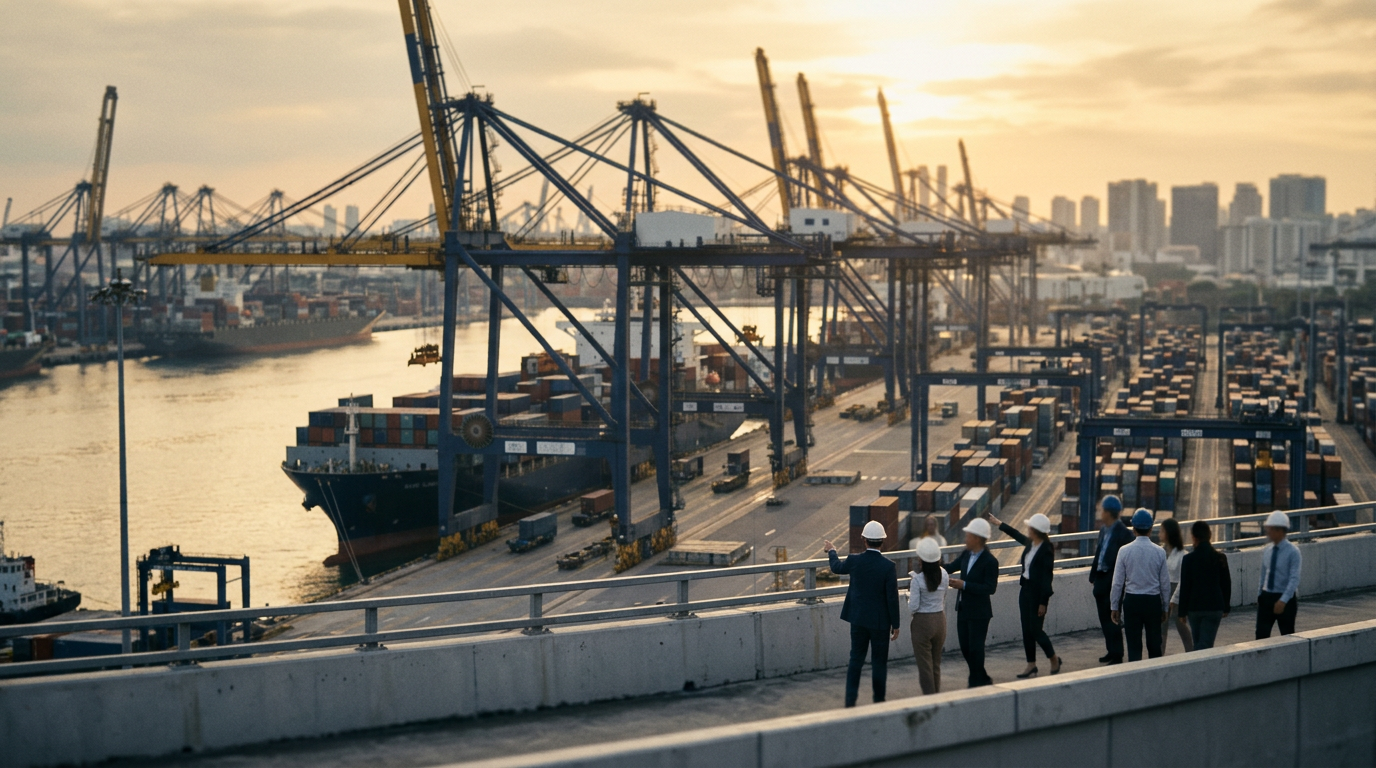
A recent meeting between ASEAN Secretary-General Dr. Kao Kim Hourn and Swiss State Secretary Helene Budliger Artieda in Manila highlighted a shared interest in deepening economic cooperation. As reported by ASEAN.org, the discussion on the sidelines of the 58th AEM Meeting signals a continued effort to attract capital and strengthen economic ties. While such high-level engagements are positive, they also bring into focus the persistent gap between investment announcements and their implementation across the region.
From Handshakes to Hard Assets
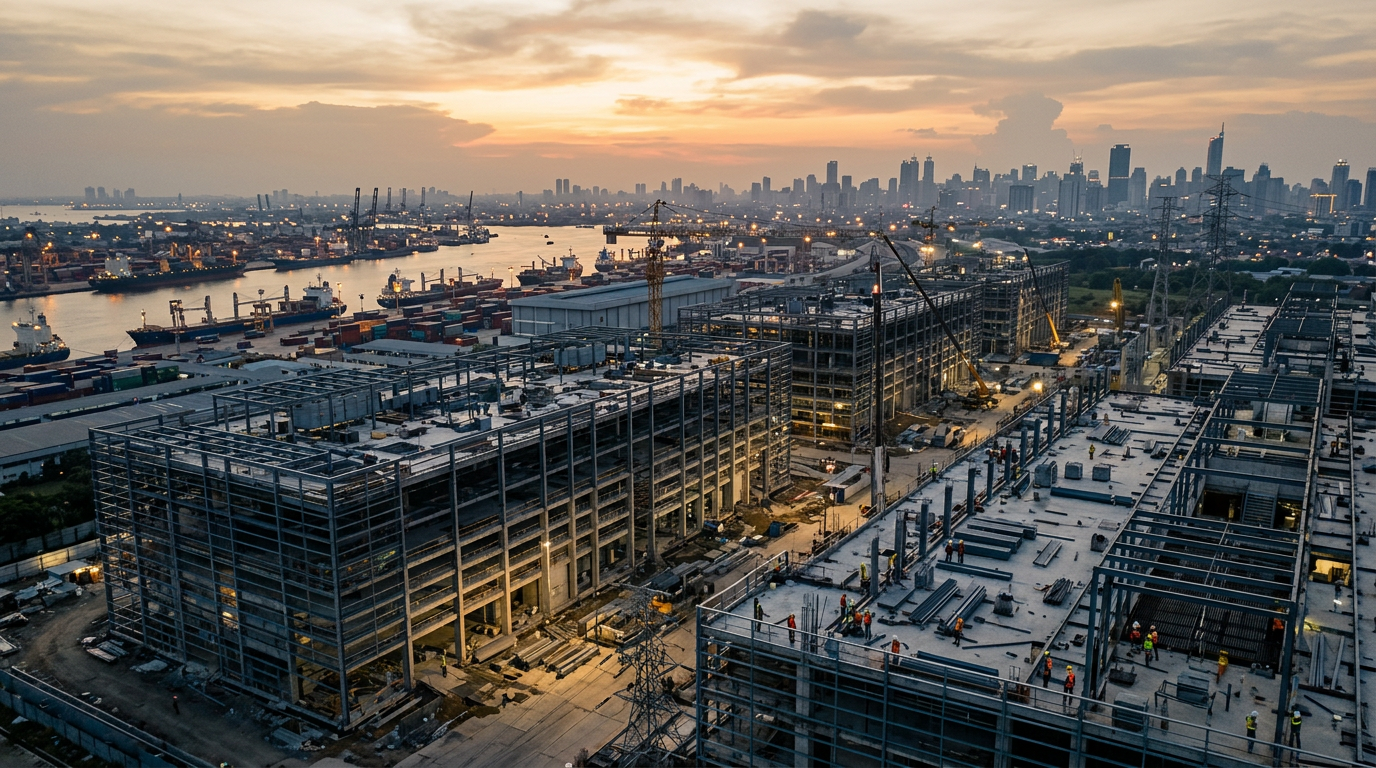
Attracting foreign direct investment (FDI) is a recurring theme in ASEAN's economic diplomacy. Switzerland, a significant source of capital, represents a valuable partner. However, the journey from a diplomatic meeting to a fully operational factory or data center is long and complex. The initial announcements generate positive headlines, but the real work involves navigating the intricate details of local regulations and infrastructure.
As the book ASEAN Rising notes, turning a country's large population or market size into genuine, investable projects requires robust institutional support. The core idea is that "Scale matters only when institutions can turn it into investable depth." Foreign investors, whether from Switzerland or elsewhere, must be confident that the foundational elements for their projects are in place before committing significant capital.
The Implementation Challenge
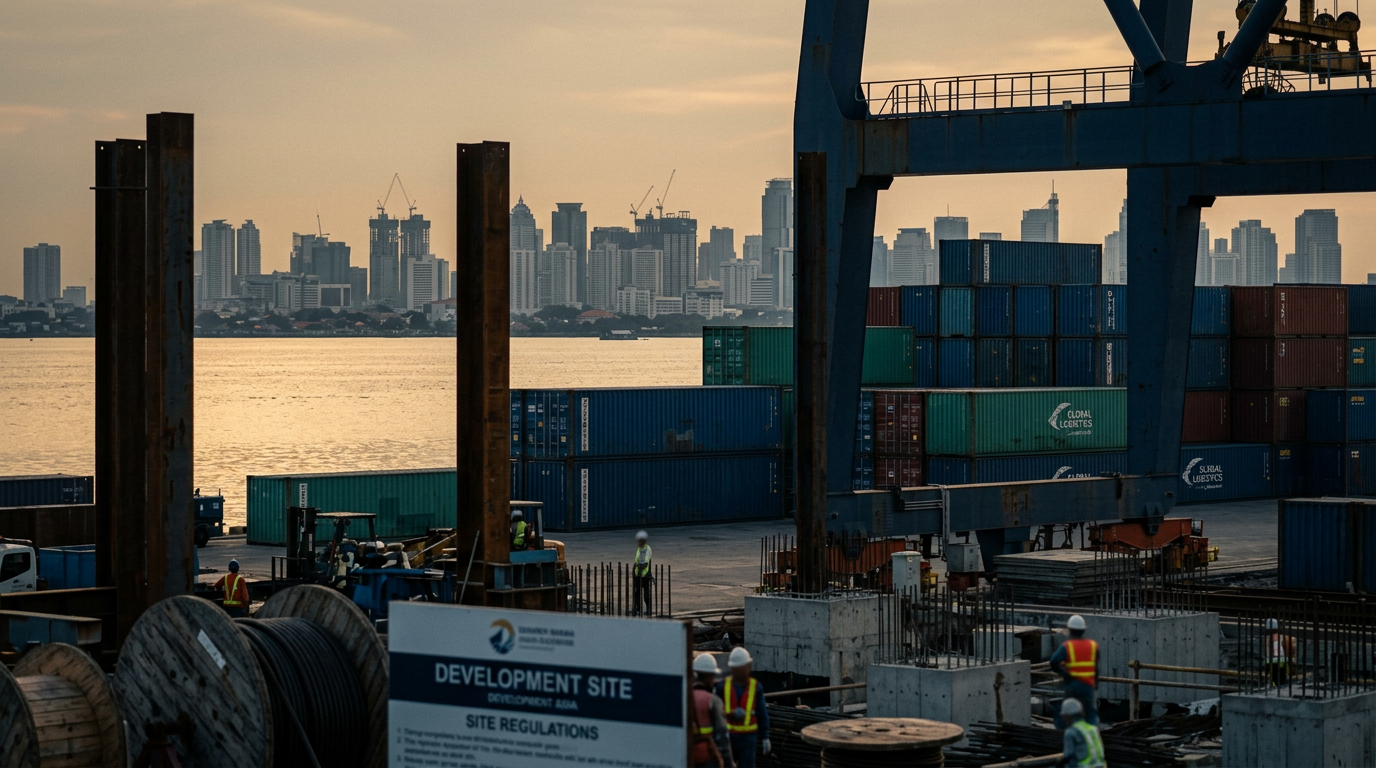
For many investors looking at ASEAN, the primary obstacles are not at the level of international agreements but at the national and sub-national level. The process of securing land rights, obtaining the necessary permits, ensuring reliable power supply, and accessing a skilled workforce can be slow and fraught with uncertainty. These are the factors that determine whether announced FDI becomes realized FDI.
Indonesia, for example, with its massive scale, has long worked to streamline these processes. The challenge is consistent across much of ASEAN. Member states must demonstrate that their domestic institutions can efficiently manage the administrative and logistical tasks required to get large-scale projects off the ground. Without this capacity, investor interest can wane, and capital will flow to regions where implementation is more predictable.
Building a Framework for Trust
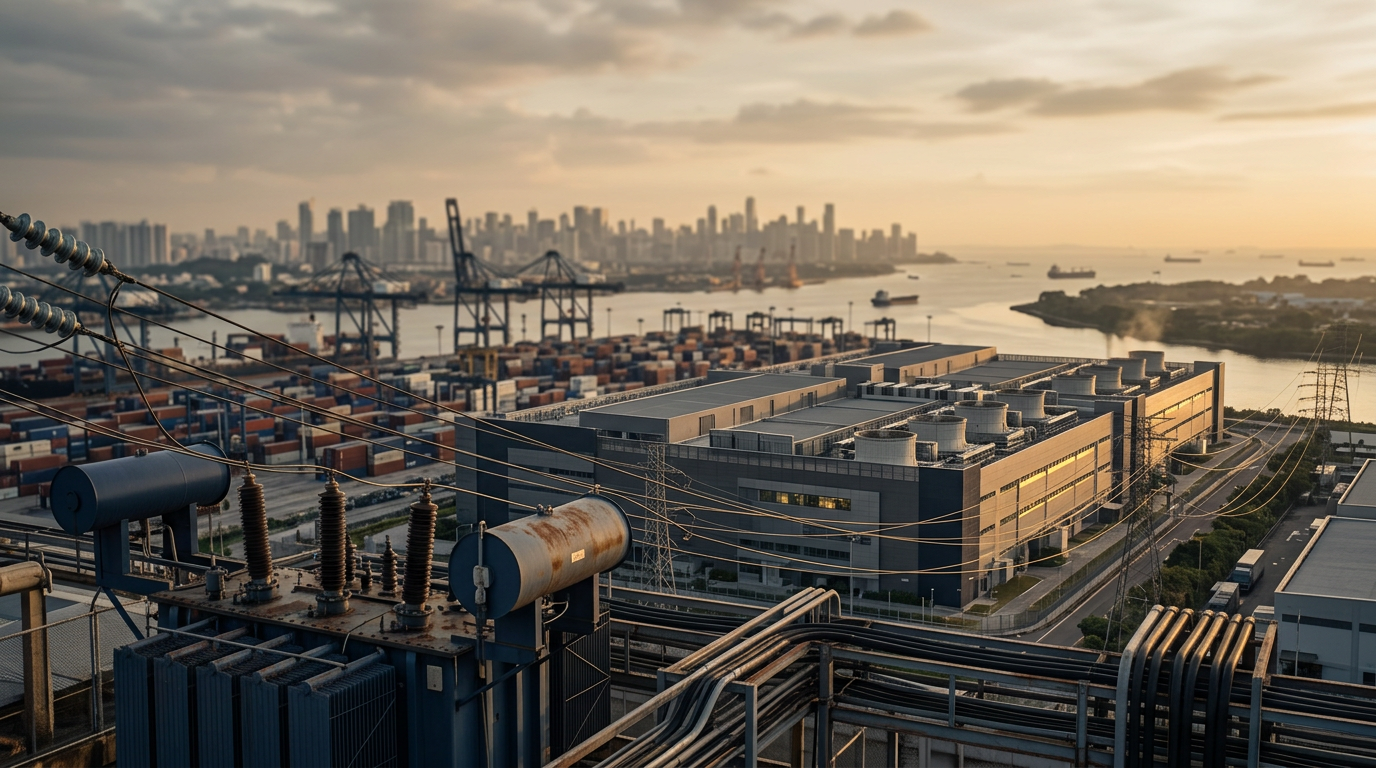
To convert diplomatic goodwill into tangible economic outcomes, ASEAN member states must continue to focus on strengthening the institutions that govern investment. This involves creating transparent and efficient processes for business registration, licensing, and land acquisition. It also means investing in the physical and human infrastructure that underpins a modern economy.
Trust is the cornerstone of this effort. Investors need to trust that the legal and regulatory frameworks will be applied consistently. They need to trust that the infrastructure will be reliable and that a sufficiently trained talent pool is available. High-level meetings are essential for signaling intent, but the patient, often difficult work of institutional reform is what ultimately builds a track record that attracts and retains long-term investment.
What to watch: Observers should monitor not just the frequency of ASEAN's diplomatic engagements on trade and investment, but also the specific policy reforms that member states enact to improve the on-the-ground environment for foreign companies. Progress in areas like permit simplification, energy infrastructure development, and vocational training programs will be more telling indicators of future FDI flows than any single partnership announcement.