ASEAN's China Trade Boom: From Growth to Managed Dependency
Recent data shows deepening China-ASEAN trade, a structural reality that requires a new strategic approach. ASEAN governments must now focus on managing this dependency to preserve their strategic options.
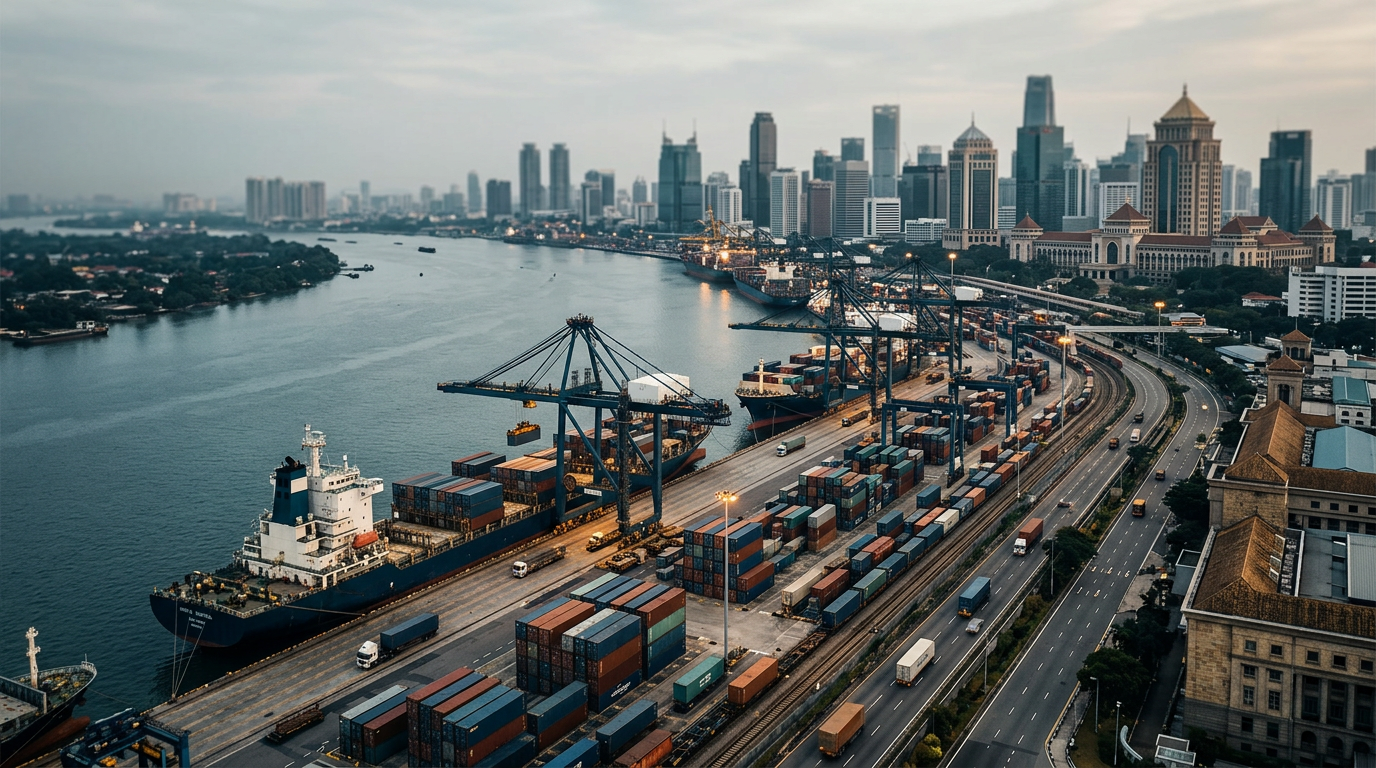
Recent data on China-ASEAN trade underscores a deepening economic relationship that has become a permanent feature of the regional landscape. According to a report from VietnamPlus, trade between the two partners reached approximately US$641 billion in the first half of 2026, an 18.2% year-on-year increase. This figure, while notable, points to a larger story: the irreversible integration of ASEAN economies with China and the strategic challenges that accompany it.
A Structural Reality
The sheer volume of trade signifies that the economic connection between China and ASEAN is no longer cyclical or subject to temporary shifts. The integration is now structural, embedded in supply chains, investment flows, and infrastructure networks that span the region. This reality means, as detailed in the book ASEAN Rising, that "the question for ASEAN governments is no longer whether to engage, but how to manage dependency without losing optionality."
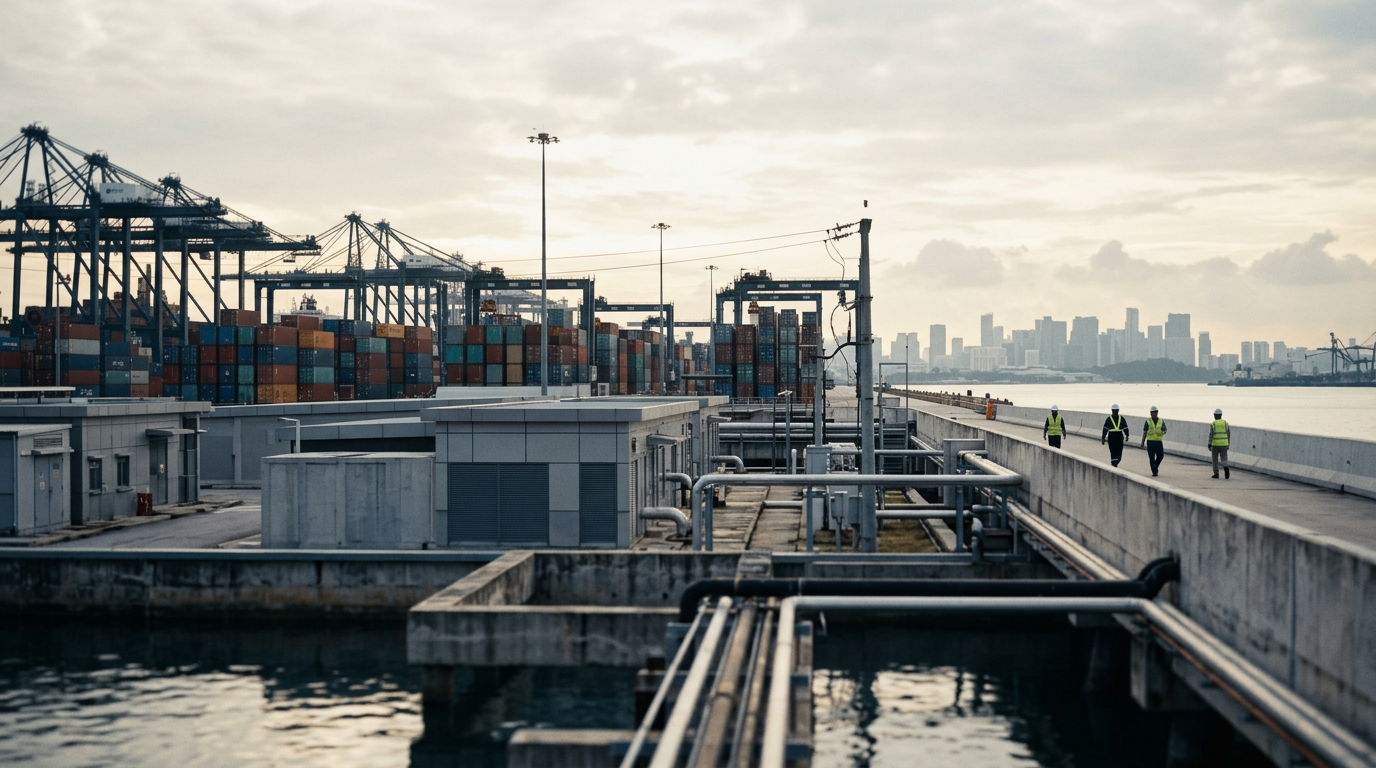
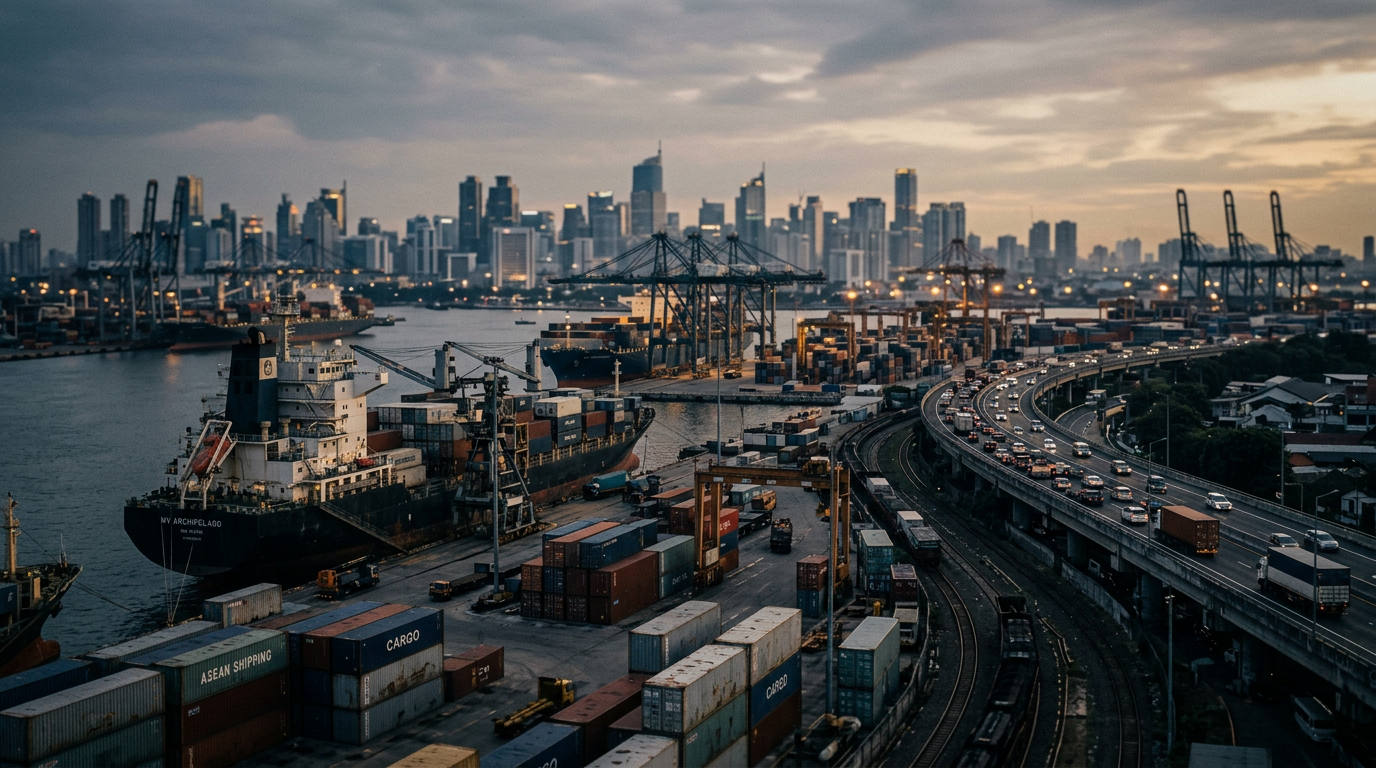
This economic entanglement is visible in the composition of trade. It is not just about finished products, but a complex web of intermediate goods and components that feed into regional manufacturing hubs. Chinese capital is also a dominant force in the development of ports, railways, and industrial parks across Southeast Asia. These infrastructure projects, while providing needed modernization, physically orient ASEAN's economic architecture toward China, solidifying trade corridors and logistical pathways for decades.
The Management Framework
Confronting this new reality requires a sophisticated framework focused on management, not mitigation. ASEAN as an institution plays a role. Agreements like the Regional Comprehensive Economic Partnership (RCEP) provide a multilateral forum for setting terms and resolving disputes. However, the true test of strategy lies in execution at the national level, where policy is translated into action.
Effective management involves building economic counterweights. This means member states must aggressively pursue deeper trade and investment partnerships with other major economies, including the United States, Japan, India, and the European Union. The goal is not to replace China but to create a more balanced portfolio of dependencies, thereby increasing resilience.
This strategy must be paired with a focus on talent. To avoid being locked into the lower rungs of the value chain, ASEAN nations must invest in a skilled workforce. A population trained in advanced manufacturing, technology, and services can capture more value from global supply chains, transforming the relationship with China from one of simple assembly to one of more equal partnership.
Balancing Economics and Trust
Looming over the economic relationship is a persistent trust deficit. In the strategic realm, particularly concerning maritime disputes in the South China Sea, China and several ASEAN member states have conflicting interests. This creates a difficult balancing act, where governments must navigate the imperatives of economic growth alongside the colder realities of geopolitics.
The deep economic ties do not erase these security concerns; they complicate them. ASEAN nations are constantly managing the risk that their economic dependency could be used as leverage in a political dispute. This requires careful statecraft and a commitment to ASEAN solidarity to ensure that the bloc's collective interests are not undermined.
What to watch
Moving forward, the effectiveness of ASEAN's approach can be measured by several key indicators. Observers should monitor the bloc's ability to forge common positions on digital economy standards and technology governance. The terms of major infrastructure deals financed by Chinese capital will reveal how well individual nations are negotiating to protect their interests. Finally, смотреть for trends in foreign direct investment from non-Chinese sources will provide a clear metric of success in the crucial project of diversification.