
ASEAN Analysis & Commentary
Every analysis published on ASEAN Rising is sourced, datestamped and signed. We're more interested in being right in 12 months than first in 12 minutes.
Foundation pieces
Start here. The three pieces below set out the lens ASEAN Rising uses to read every story.
ASEAN Rising's core lens. Execution Economics is the study of whether countries, companies and institutions can convert obvious potential into delivered outcomes - and which six pillars decide the answer.
The region has capital, demographics, location and policy ambition. None of that has ever been the binding constraint. The next decade is an execution test, not a potential test - and it is already being scored.
Malaysia is the test case for whether ASEAN's middle powers can turn FDI, semiconductors and data centres into compounding domestic capability. Read the live coverage and execution scorecard.
Analysis tagged #India

 Philippines
Philippine Airlines bets on India links
New nonstop flights from Manila to Delhi and Mumbai are a bet on deeper economic ties. But for aviation to enable investment, the slower work of improving infrastructure and talent on the ground is essential.

 Malaysia
, India, and the semiconductor play
Malaysia seeks to expand its semiconductor collaboration with India, but the real test lies in building the institutional capacity and talent base to move up the value chain.
 Malaysia
's Investment Win With India Shows That Execution Matters
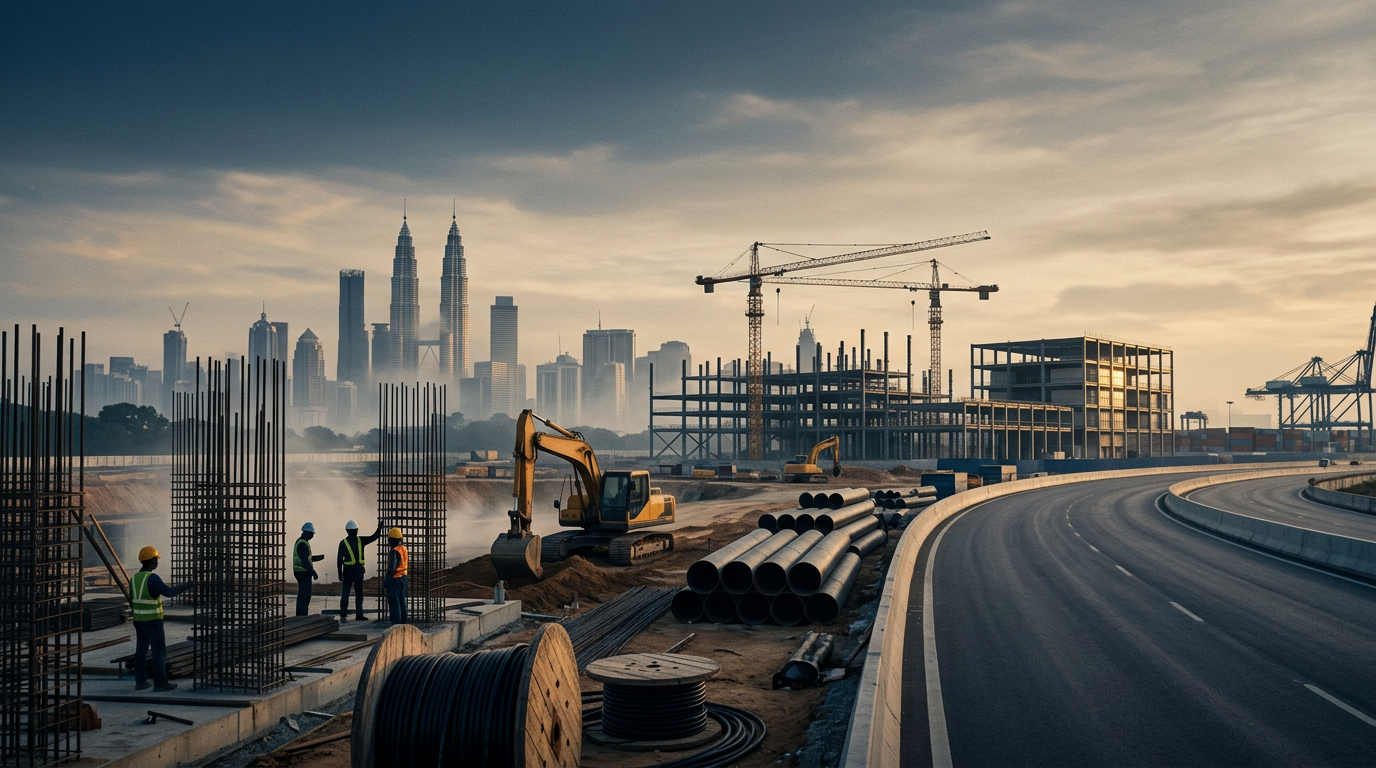
Malaysia's US$2.95 billion in approved manufacturing investments from India is a significant headline. The real work of turning FDI announcements into realised flows depends on the slower work of land, permits, power, and talent.

 Singapore
Air India and the challenge of institutional depth
Aviation is a capital-intensive, institution-heavy business. Air India's US$1.5 billion capital call is a reminder that turning headline investments into operational realities requires more than just capital.
 Malaysia
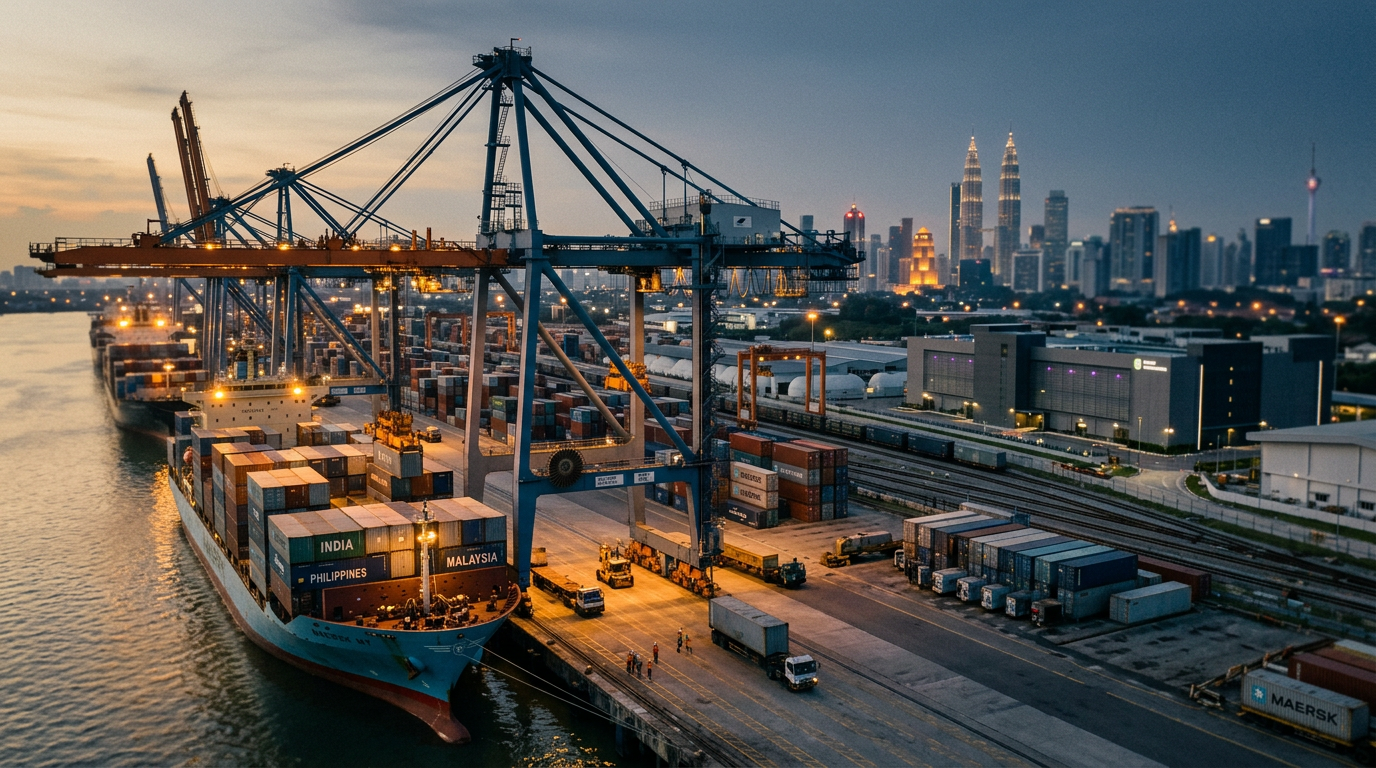
Philippines-India Trade and the ASEAN Search for Optionality
A new trade push between the Philippines and India highlights a broader ASEAN strategy: managing economic dependency on China by building deeper ties with other major partners. Success requires more than agreements; it demands execution, capital, and trust.