Malaysia
Malaysia's Investment Win With India Shows That Execution Matters
Malaysia's US$2.95 billion in approved manufacturing investments from India is a significant headline. The real work of turning FDI announcements into realised flows depends on the slower work of land, permits, power, and talent.
Indian investment into Malaysia is gathering pace. As of June, Malaysia had approved 293 manufacturing projects involving Indian firms, with a total value of US$2.95 billion. The news, reported by the Malaysian national news agency Bernama, signals a strengthening of economic ties between the two countries, with a focus on manufacturing and green energy.
This inflow of investment interest is a positive development for Malaysia. However, the path from approved foreign direct investment (FDI) to realised economic impact is paved with detailed, on-the-ground work. Announcements generate headlines, but sustainable growth comes from the effective implementation of these projects.
Institutions and Investable Depth
Any large economy can attract attention, but as the book ASEAN Rising notes, "scale matters only when institutions can turn it into investable depth." The US$2.95 billion figure for approved projects is a testament to Malaysia's ability to present a compelling case to Indian investors. The test now lies in the capacity of its institutions to facilitate the conversion of these approvals into functioning operations.
The process involves multiple layers of administration and regulation. It requires coordination between federal and state-level agencies to ensure that the necessary resources are available. The strength of a country's investment climate is not just in its promotion efforts, but in the predictable and transparent processes that follow. For the 293 approved projects, this means a smooth journey through the bureaucratic steps that are essential for any new enterprise.
From Approval to Operation
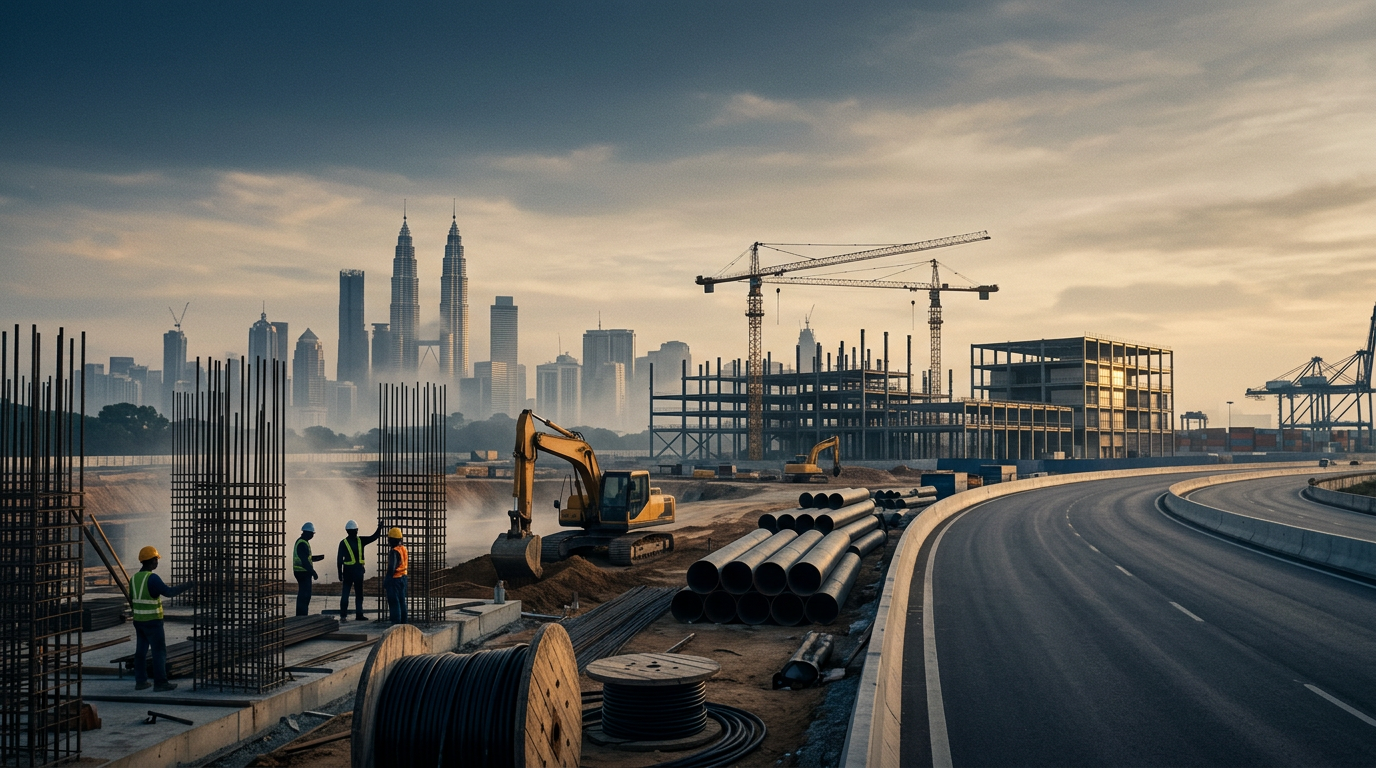
The gap between announced and realised FDI is a persistent feature of global capital flows. The factors that bridge this gap are tangible and practical: land acquisition, permit issuance, and the provision of reliable power and infrastructure. Each of these components presents its own set of administrative and logistical hurdles.
For Malaysia, ensuring that industrial land is ready, that construction and operational permits are processed efficiently, and that electricity grids can support new manufacturing loads is the immediate task. These are not high-level strategic concerns but the granular, execution-focused work that makes an investment real. The success of these Indian-backed projects will depend heavily on the effectiveness of Malaysian agencies in delivering these foundational elements.
Talent and Strategic Alignment
Beyond the physical and administrative requirements, the availability of a skilled workforce is a decisive factor. The manufacturing and green energy sectors, which are the focus of this new wave of investment, demand specific technical expertise. Malaysia's ability to supply or develop this talent will be a primary determinant of the long-term success of these ventures.
This alignment of investment with workforce capabilities is where strategic planning meets execution. It requires a clear-eyed assessment of the existing talent pool and targeted programs for education and vocational training to fill any gaps. The commitment from Indian investors is a signal of their confidence in Malaysia's potential. The final outcome will rest on Malaysia's ability to match that confidence with a ready and capable workforce.
What to watch
The progress of these 293 projects will be a telling indicator of Malaysia's institutional capacity. Observers should monitor the rate at which these approved investments translate into completed facilities and job creation. The key metrics will not be further announcements, but rather the tangible outputs of these projects on the ground, such as export figures and employment data. The ability to execute on these commitments will demonstrate the true depth of Malaysia's investment environment and its readiness to solidify its economic partnership with India.