Vietnam
 Weighs 350km Expressway Expansion
A major infrastructure expansion proposal for Vietnam's North-South Expressway highlights the link between state capacity and economic competitiveness. Delivering complex projects on time will be a key signal to investors.
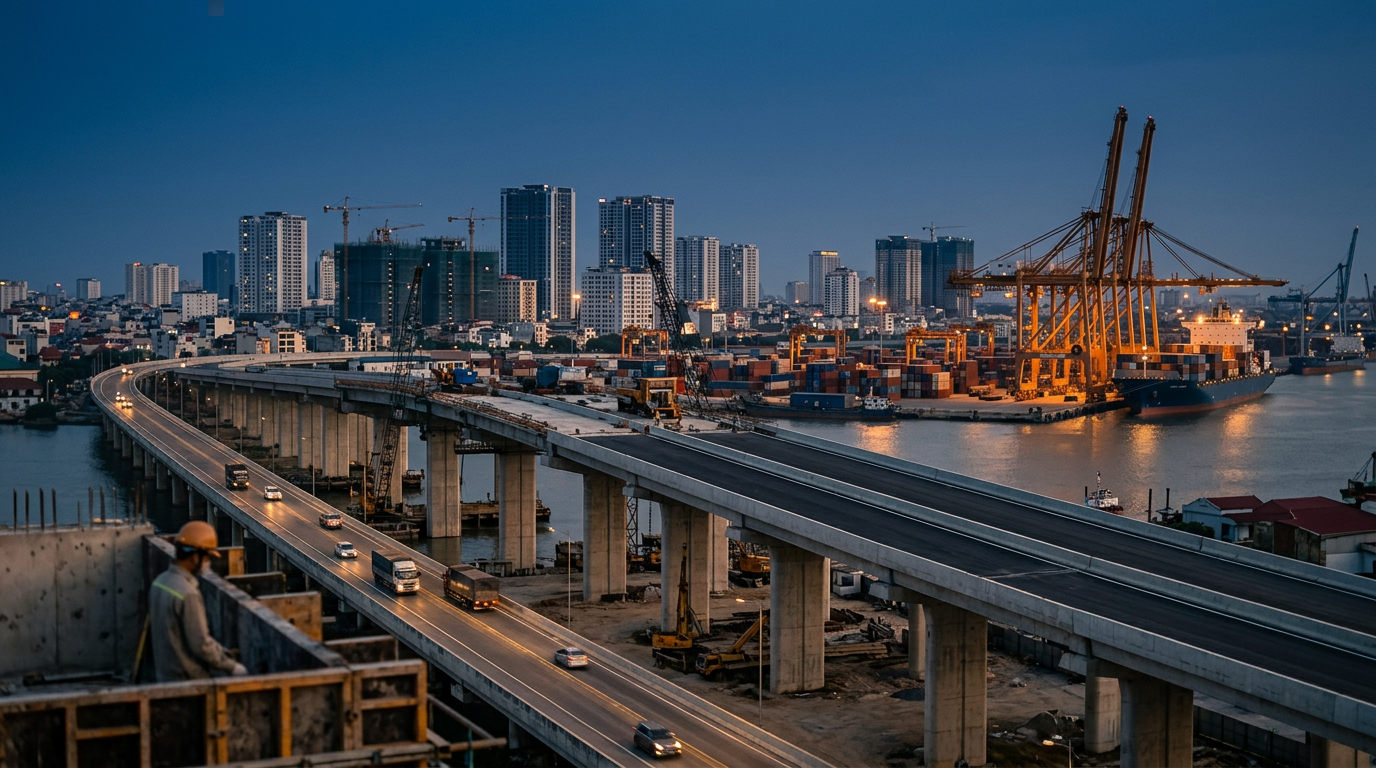
A recent proposal from Deo Cả Group to the Ministry of Construction to expand a 350km section of Vietnam's North-South Expressway highlights a central theme in regional development. According to a report from vietnamnews.vn, the plan would widen the expressway to six lanes using a public-private partnership (PPP) model. The project's scale and complexity put a direct focus on the country's institutional capacity to execute large-scale infrastructure, a critical factor for sustained economic growth.
Institutions and Execution
Modern infrastructure is a tangible outcome of effective institutions. The North-South Expressway is a core artery for Vietnam's economy, connecting industrial zones, ports, and major urban centers. Its efficiency has a direct impact on logistics costs and, therefore, on the competitiveness of Vietnamese exports. The proposed expansion is a response to growing traffic volumes and the need to prevent future bottlenecks that could stifle economic activity. The decision to use a PPP framework is significant, as it requires a sophisticated legal and regulatory environment to manage risk, attract private capital, and ensure long-term project viability. Success in this area demonstrates a government's ability to act as a reliable partner for the private sector, which is an essential ingredient for attracting the large-scale investment needed for such projects.
From Announcement to Asset
The gap between announcing a project and delivering it is where institutional strength is truly tested. As the book ASEAN Rising notes, the ability to deliver on commitments is a powerful signal to global markets. In this context, "institutional reliability has become part of comparative advantage." A project like the expressway expansion involves numerous phases, from land acquisition and environmental assessments to financial structuring and construction management. Each step requires coordination across multiple government agencies and private sector partners. Delays, cost overruns, or contractual disputes can erode investor confidence and increase the "cost of friction" that businesses face. How Vietnam manages this process will be observed closely by international investors who see infrastructure quality as a proxy for a market's overall operational predictability.
The PPP Test
For Vietnam, the choice of a PPP model for the expressway is a practical necessity and a strategic test. The state budget alone is often insufficient for the massive capital expenditure required for such national infrastructure priorities. PPPs offer a way to bring in private sector funding and expertise. However, these partnerships are complex. They require transparent procurement processes, clear frameworks for risk allocation, and dependable dispute resolution mechanisms. A well-executed PPP not only delivers a physical asset but also builds market confidence in the government's administrative capabilities. This creates a positive feedback loop, making it easier and cheaper to finance future projects. The successful implementation of this 350km expansion would provide a powerful case study for Vietnam's capacity to manage sophisticated, long-term infrastructure development.
What to watch
Stakeholders will be monitoring the Ministry of Construction's response to the proposal and the subsequent speed and transparency of the procurement process. The key indicators of success will be the government's ability to attract qualified private partners, adhere to the projected timeline, and manage the project's budget effectively. The outcome will influence perceptions of Vietnam's state capacity and its attractiveness as a destination for long-term investment in capital-intensive sectors.