Thailand
Thailand
Thailand's new power development plan, which includes a significant role for small modular reactors (SMRs), is an ambitious bet on nuclear energy. Success will depend less on the technology itself and more on the state's capacity to build and regulate it.
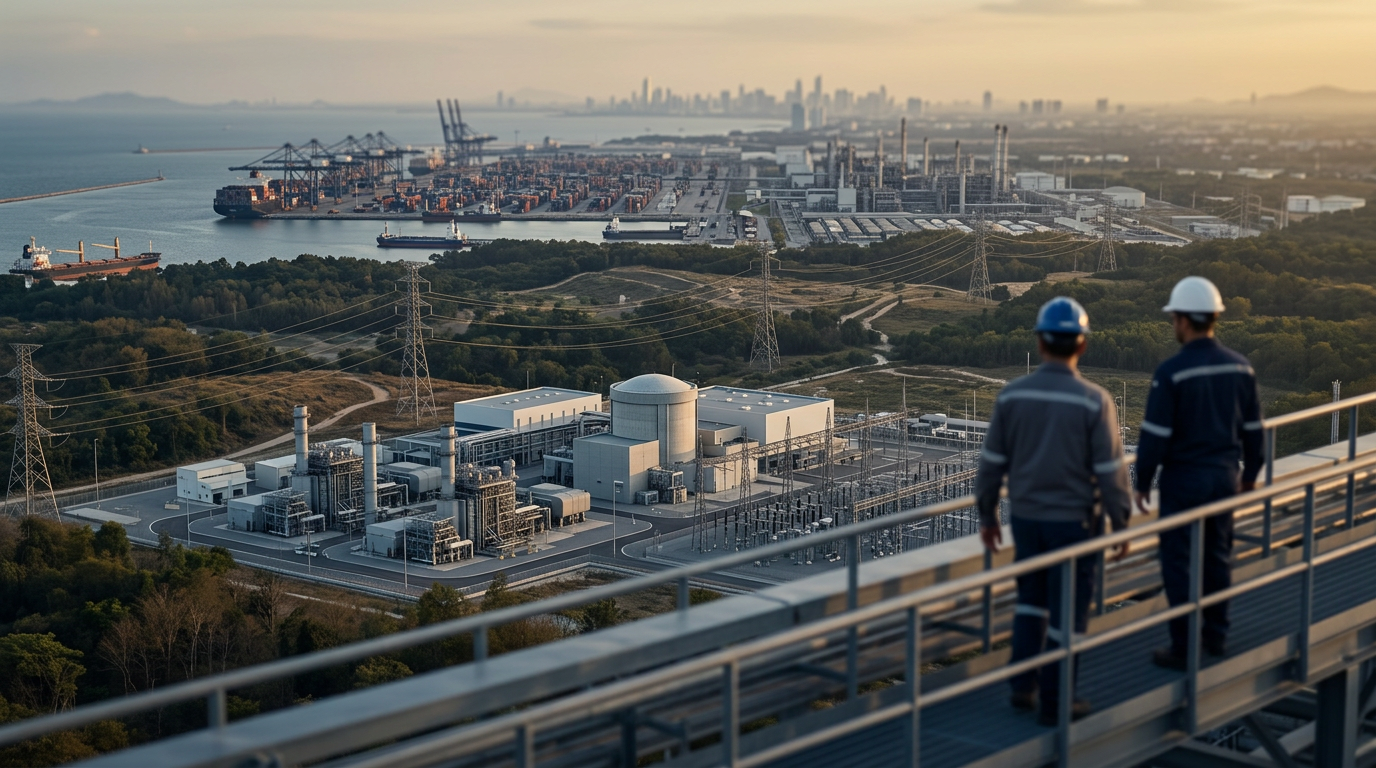
Thailand's latest power development plan is a significant step into the nuclear era, proposing the addition of 9,000 megawatts from small modular reactors (SMRs) to combat climate change, as reported by the Bangkok Post. While the headline is the technology, the real story is the institutional challenge. Betting on SMRs is a bet on Thailand's capacity to execute complex, long-term infrastructure projects on a reliable schedule.
Ambition Meets Reality
The push for nuclear energy reflects a broader regional trend where growing economies grapple with the dual challenges of energy demand and decarbonization. SMRs, with their smaller footprint and standardized design, are presented as a more flexible and scalable option compared to traditional large-scale nuclear plants. However, the theoretical advantages of SMRs do not eliminate the immense state capacity required for their deployment. This includes not just the physical construction but the entire lifecycle of regulatory oversight, safety protocols, waste management, and public trust.
As the book ASEAN Rising notes, the ability to deliver infrastructure on schedule is a powerful signal of a state's competence. The plan to integrate SMRs into the national grid is a test of precisely this. It requires a level of institutional coordination and long-term policy consistency that can be difficult to maintain. The success of this energy transition will hinge on the government's ability to create a stable and predictable environment for investment and development.
The Cost of Friction
For any country, especially one entering a new high-stakes technological field, "institutional reliability has become part of comparative advantage." This insight from the book is central to understanding the risks and rewards of Thailand's nuclear ambitions. The cost of friction - from bureaucratic delays, shifting regulations, or a lack of skilled local talent - can quickly erode the economic and environmental benefits of SMRs. A seamless execution, on the other hand, would not only enhance Thailand's energy security but also elevate its standing as a destination for high-tech investment.
Building a credible nuclear program requires more than just capital and technology. It demands a deep investment in human capital to train regulators, engineers, and technicians. It also necessitates a transparent and accountable institutional framework to build public confidence. An exciting technological vision is one thing, but a usable state that can reliably and safely execute that vision is another matter entirely.
What to watch: The first concrete steps in the plan will be the most telling. Observers should monitor the establishment of the regulatory bodies that will oversee the SMR program, the release of detailed timelines for procurement and construction, and the initial efforts to build the specialized talent pool required. These early actions will provide the clearest indication of whether the ambitious plan can be translated into functioning infrastructure.