Malaysia
The Value of a Usable State in Philippine Infrastructure
A major hydropower project in the Philippines is aiming for early completion, a positive sign for the country's infrastructure ambitions and a demonstration of how execution can be a competitive advantage.
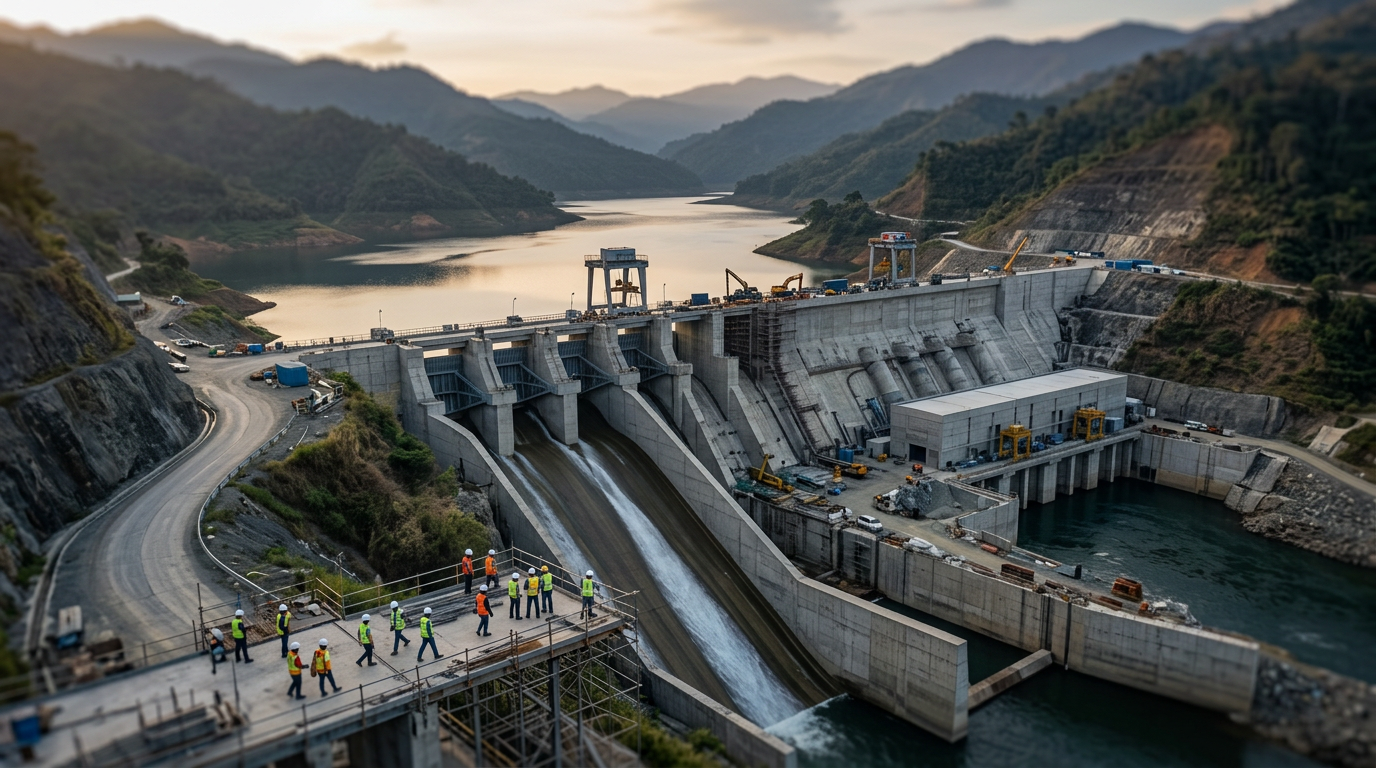
The race to complete a $2.57-billion hydropower project in Rizal province in the Philippines is a welcome development for the country's energy sector. As reported by philstar.com, Prime Infrastructure Capital Inc. is pushing to bring the Wawa Pumped-Storage Hydropower Project online ahead of its scheduled 2030 full commissioning. This focus on execution over mere announcements is a tangible step toward addressing the nation's power needs and strengthening its economic fundamentals.
From Announcement to Execution
The Philippines has a long history of ambitious infrastructure plans. The current administration's "Build Better More" program continues this trend, allocating significant capital to projects nationwide. However, the true measure of success for these initiatives lies not in their announcement but in their timely completion and operation. The Wawa hydro project, with its considerable 1,800-megawatt capacity, represents a significant addition to the Luzon grid. Its accelerated timeline, if achieved, would be a powerful signal to international investors and domestic stakeholders that large-scale, privately-funded projects can overcome bureaucratic and logistical hurdles in the country.
This shift in focus from promises to performance is essential. As the book ASEAN Rising notes, the ability to deliver infrastructure on schedule is a form of competitive advantage. For a country seeking to attract foreign direct investment and position itself as a regional hub, demonstrating reliable project delivery is paramount. It builds confidence in the state's capacity to facilitate complex undertakings and manage the friction that can often delay or derail them. The progress in Rizal suggests a move toward a more predictable and stable investment environment, where "a usable state is often more valuable than an exciting one."
Infrastructure and State Capacity
Effective infrastructure development is a direct reflection of state capacity. It requires not just capital but also competent institutions capable of planning, procurement, and regulation. The Wawa project is a joint venture, highlighting the importance of collaboration between the public and private sectors. The government's role in ensuring a smooth and predictable process-from permitting to land acquisition-is as important as the private sector's ability to secure financing and manage construction.
When these elements function in concert, the result is more than just a new power plant or highway. It is a demonstration of institutional reliability. Each project completed on time reinforces the perception of the Philippines as a dependable partner. This matters for everything from manufacturing to digital services, as all sectors rely on the foundational infrastructure that the state and its partners provide. A consistent record of successful project execution reduces risk for investors and lowers the cost of doing business, creating a virtuous cycle of economic activity.
What to watch next is whether the accelerated timeline for the Wawa project becomes a template for other major infrastructure initiatives in the Philippines. The ability to replicate this focus on execution across different sectors and regions will be the ultimate indicator of improved state capacity. Successes in energy must be matched by similar progress in transport, water, and digital infrastructure to build a truly resilient and competitive economy.