Singapore
The Singapore Model: A New Island for New Industries
Singapore's plan to merge several islands into one new industrial zone is a classic example of its long-term infrastructure and state capacity focus.
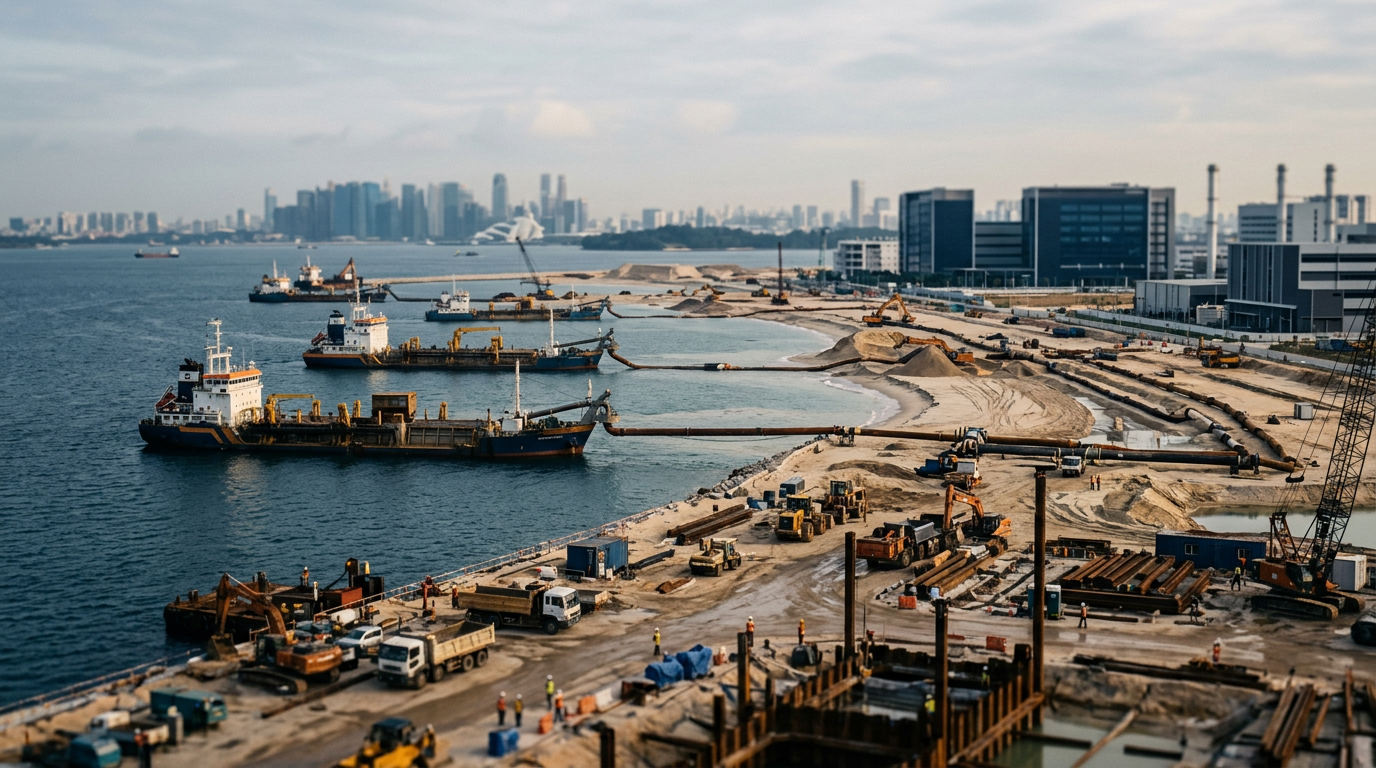
Singapore has announced a plan to create a new western island by merging Pulau Semakau, Pulau Bukom, and other nearby islands, a project intended to create more space for new industries. As detailed in a Business Times report, this land reclamation effort will support advanced manufacturing, power generation, and military activities, addressing the nation's long-term strategic needs.
Infrastructure as Strategy
This project is the latest iteration of a consistent Singaporean theme: using infrastructure development as a tool of national strategy. The plan to merge and expand islands is not just about creating physical space. It is a signal of the country's institutional capacity to execute complex, long-duration projects. By investing in foundational infrastructure, Singapore is preparing for industries that may not yet exist, positioning itself to capture future economic opportunities. The project reinforces the idea that a state's ability to deliver tangible assets is a core component of its economic competitiveness.
State Capacity and Execution
The creation of this new "western island" demonstrates a high degree of state capacity. Such large-scale reclamation projects require coordination across multiple government agencies, substantial capital investment, and a stable legal and regulatory framework. It is this ability to plan for the long term and execute methodically that sets Singapore apart. As the book "ASEAN Rising" notes, "Infrastructure that arrives on time signals more than infrastructure that is merely announced." This project is a physical manifestation of that principle, showcasing a system built on reliability and execution. The new island will be a concrete asset, but the underlying institutional strength required to build it is the true competitive advantage.
What to watch: Observe the specific types of industries and tenants that are attracted to this new development in the coming years. Their profile will indicate the success of Singapore's strategy in anticipating and shaping future industrial trends. Also, monitor how the government manages the environmental and logistical aspects of this massive reclamation project, as this will be a measure of its execution capabilities and commitment to sustainable development.