Indonesia
The Real Co-Host of the FIFA ASEAN Cup is Infrastructure
The FIFA ASEAN Cup 2026 is a test of connective infrastructure and institutional capacity. A regional tournament cannot exist without the roads, rails, and regulations that move people, capital, and trust across borders. This is a quiet demonstration of ASEAN

The inaugural FIFA ASEAN Cup 2026™ kicked off in Jakarta this week, a development that ASEAN frames as a "new milestone" in its cooperation with the international football governing body, FIFA. According to a report from the ASEAN Secretariat, the tournament is the result of a memorandum of understanding signed in 2019. While the on-field competition will draw headlines, the event's true significance lies in the logistical and institutional frameworks that make such a multi-country tournament possible.
The Platform is the Point
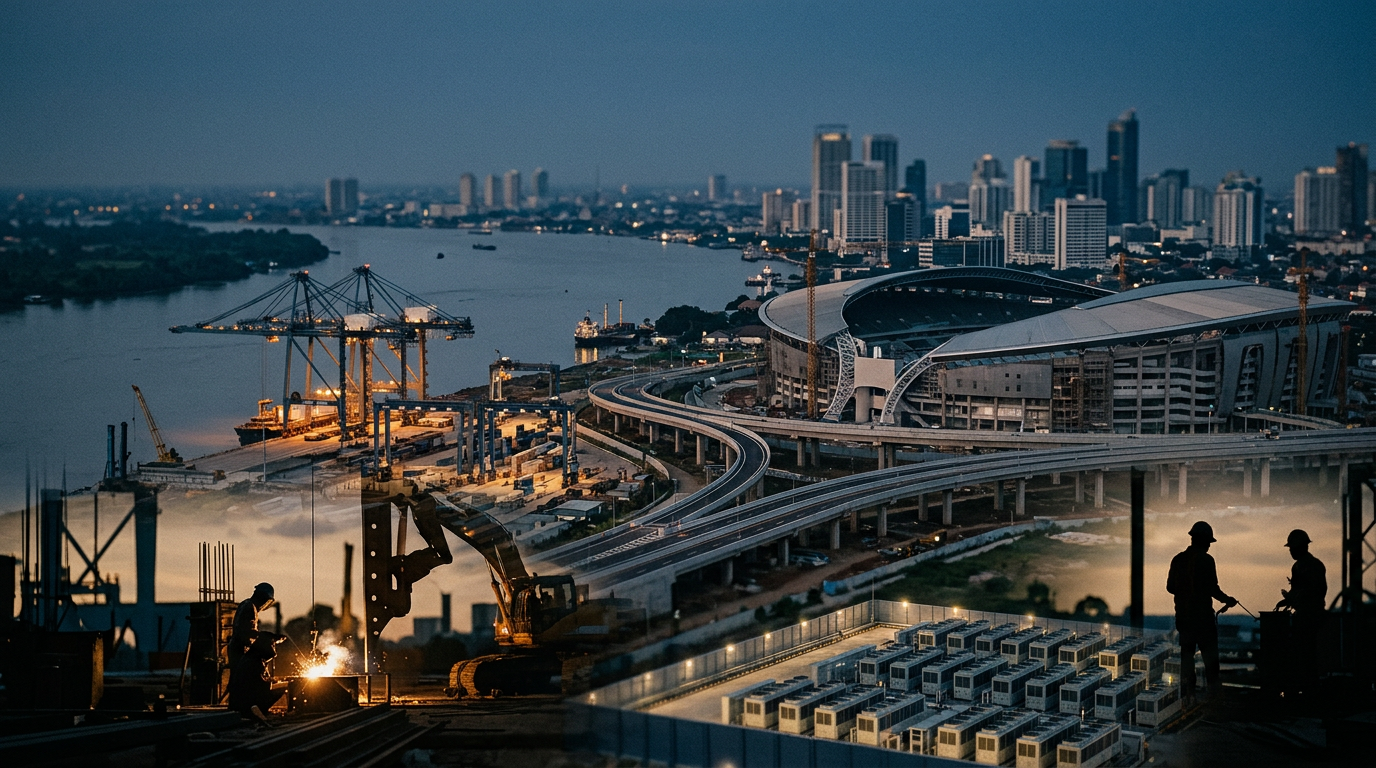
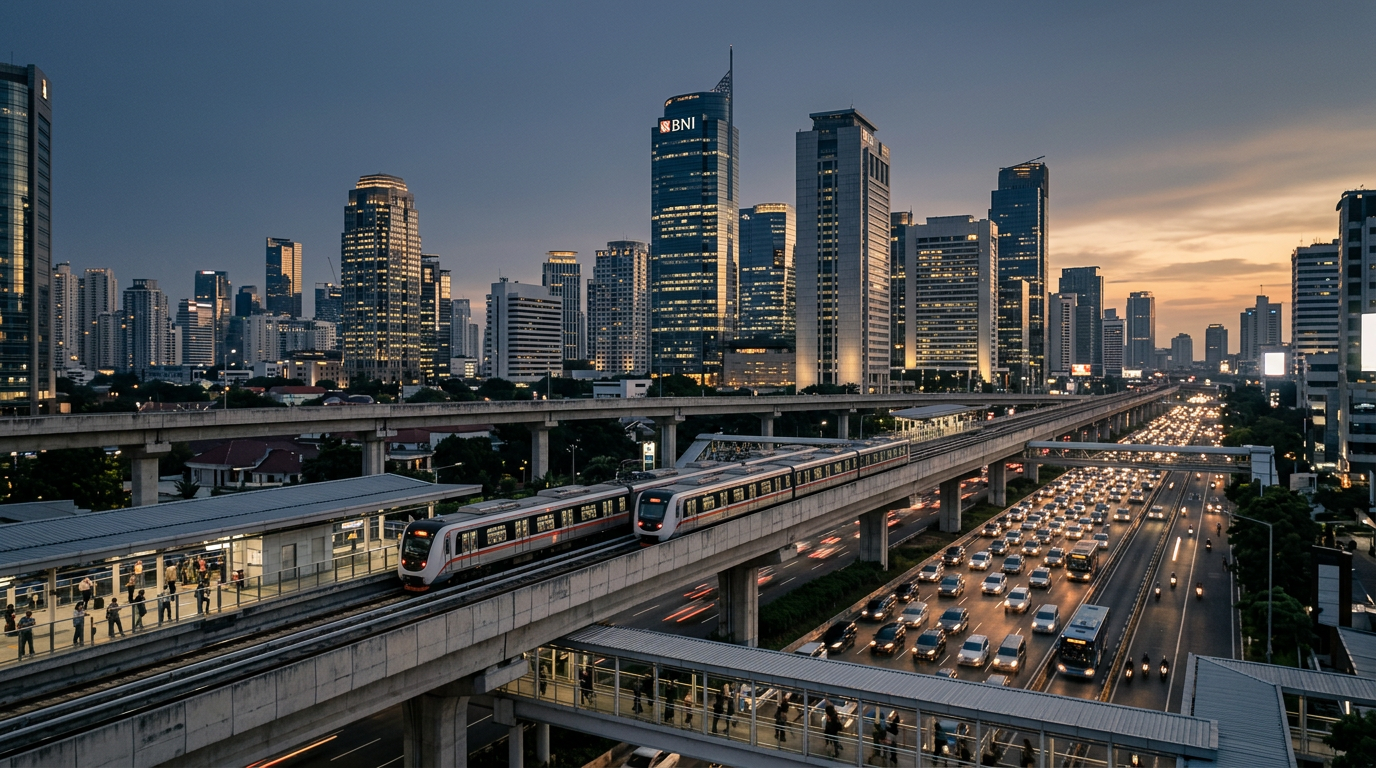
A regional sporting event is, at its core, a test of connective infrastructure. Spectators, teams, and officials must move seamlessly between co-hosting nations. This requires more than just stadiums; it demands a network of reliable roads, railways, and air connections. The smooth execution of the tournament will depend on the quiet efficiency of immigration checkpoints, the coordination of regional security, and the interoperability of payment systems. These are not the most thrilling aspects of a football tournament, but they are the most telling.
The ability to deliver a complex, multi-jurisdictional event like the ASEAN Cup is a practical demonstration of state capacity. It shows that the institutions governing the flow of people and goods are functional. As the book "ASEAN Rising" notes, "Institutional reliability has become part of comparative advantage." A region that can jointly host a major international event sends a powerful signal to investors and businesses. It suggests a level of regulatory alignment and operational competence that is attractive for commerce.
From Blueprint to Reality
For years, ASEAN has produced master plans for connectivity and infrastructure development. The Master Plan on ASEAN Connectivity (MPAC) 2025, for instance, outlines numerous projects intended to physically and institutionally link the member states. The FIFA ASEAN Cup serves as a real-world audit of this progress. Are the border crossings as efficient as the blueprints claimed? Can the digital infrastructure handle the surge in demand from media and fans?
The success of the tournament will be measured not just in ticket sales, but in the lack of friction. It is a demonstration of how far ASEAN has come in turning high-level plans into tangible realities. The value is not just in the announcement of new projects, but in their timely and effective completion. Building trust among member states and with international partners is a slow process, built upon the foundation of consistently met expectations. Executing a major event without significant disruption is a deposit into that bank of trust.
What to watch
As the tournament proceeds, observers should monitor the off-field logistics as closely as the on-field action. Reports of travel delays, ticketing problems, or security lapses between the co-hosting nations will offer insight into the remaining gaps in regional integration. Conversely, a smoothly run event will provide quiet evidence that ASEAN's long-term investment in institutional and physical connectivity is yielding results, creating a more cohesive and accessible single market.