
 Philippines
The RCEP and the Philippines: From Entry to Execution
The Philippines was the last ASEAN country to ratify the RCEP. Now that the agreement is in force, the focus must shift from entry to execution, requiring a concerted effort across institutions, infrastructure, and talent development.
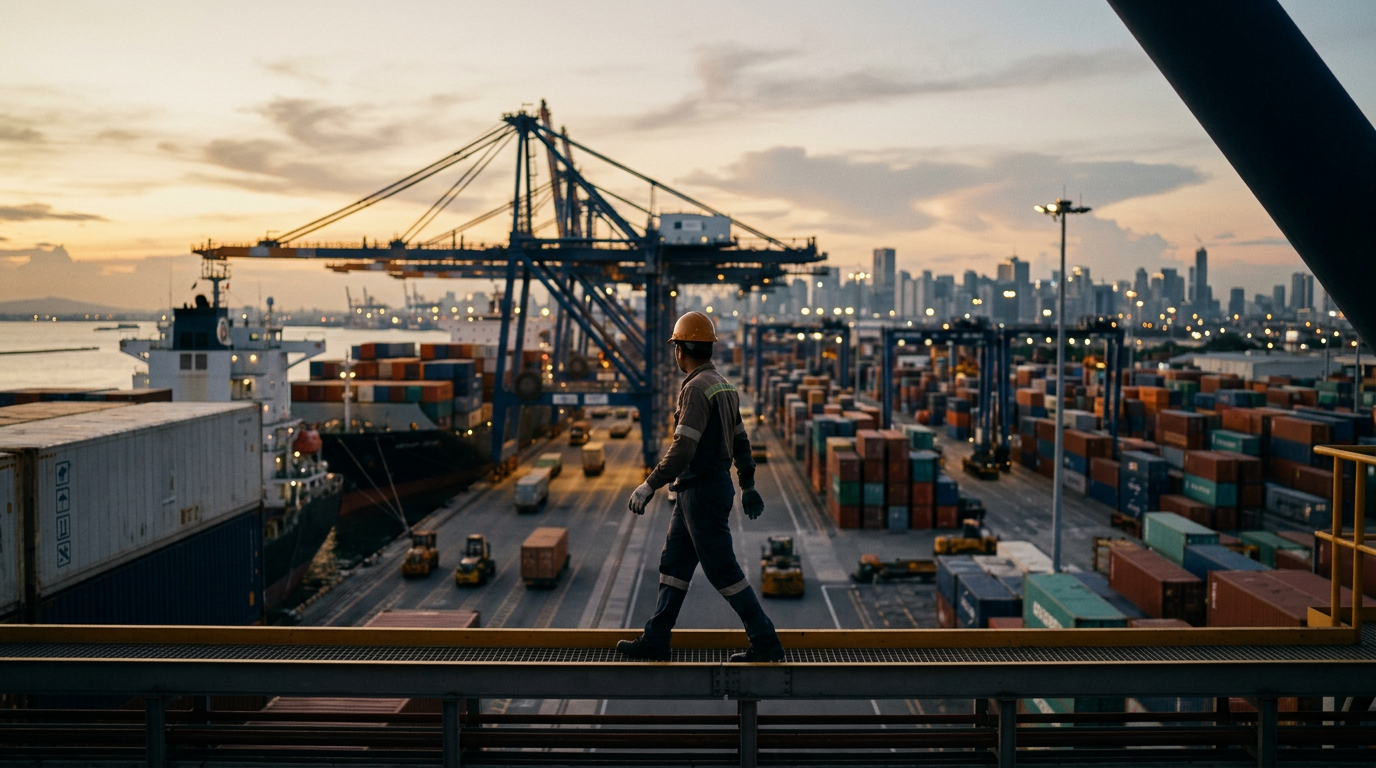
An article in the Philippine Daily Inquirer, "Making the RCEP work for the Philippines," outlines the next steps for the country to benefit from the Regional Comprehensive Economic Partnership (RCEP). As the last ASEAN signatory to ratify the agreement, the Philippines now faces the practical tasks of implementation. Success will depend on the country's capacity to execute, a challenge that goes far beyond the text of the agreement itself.
Institutions and Execution
The RCEP presents a framework for deeper economic integration, but its benefits are not automatic. The real work lies in creating an institutional environment that enables Philippine businesses to compete. This involves streamlining customs procedures, establishing clear and efficient regulatory frameworks, and providing accessible support for small and medium-sized enterprises looking to expand into new markets. These are not simple bureaucratic adjustments; they require a coordinated effort across multiple government agencies to reduce friction and lower the costs of trade. The goal is to make the opportunities codified in the RCEP a practical reality for Philippine exporters. Without this institutional capacity, the market access granted by the agreement will remain largely theoretical.
Infrastructure and Capital
To compete within the RCEP bloc, the Philippines must address its long-standing infrastructure deficits. Efficient supply chains depend on modern ports, reliable road networks, and stable power grids. These physical assets are the conduits of trade. The government and private sector will need to mobilize substantial capital to fund these upgrades. As noted in ASEAN Rising, a country's ability to absorb and effectively deploy capital into productive infrastructure is a key determinant of its long-term competitiveness. For the Philippines, this means not only securing financing but also ensuring that projects are managed transparently and completed on schedule. Improved infrastructure will lower logistics costs and make Philippine goods more competitive in a larger and more integrated market. This is a foundational requirement for converting the promise of RCEP into tangible economic gains.
Talent and Trust
Beyond physical infrastructure, the Philippines must invest in its human capital. A skilled workforce is necessary to move the country's export profile up the value chain, from basic commodities to more complex manufactured goods and services. This requires investment in technical education and vocational training programs aligned with the needs of modern industry. Furthermore, building trust is essential for long-term trade relationships. This involves ensuring that Philippine products consistently meet the quality standards and regulatory requirements of export markets like China, Japan, and South Korea. Consistent quality, reliable delivery, and adherence to contractual obligations build the trust that underpins sustainable trade. The book points out that for ASEAN governments, the issue is "how to manage dependency without losing optionality." For the Philippines, building a foundation of talent and trust is the primary way to ensure it can engage with larger economies from a position of strength.
What to watch
The Philippine government's next steps will be telling. Watch for the specific programs and budgetary allocations aimed at improving trade-related infrastructure and the rollout of support services for exporters. The degree to which government agencies can coordinate their efforts to simplify trade procedures will indicate the seriousness of the implementation push. The private sector's response, particularly in terms of new investment in export-oriented production and skills training, will be the ultimate measure of whether the Philippines can translate RCEP ratification into a new phase of economic growth.


