Philippines
The Quiet Advantage of Usable States
A waste-to-power project in the Philippines highlights a growing source of comparative advantage in ASEAN: institutional reliability and the capacity to execute.
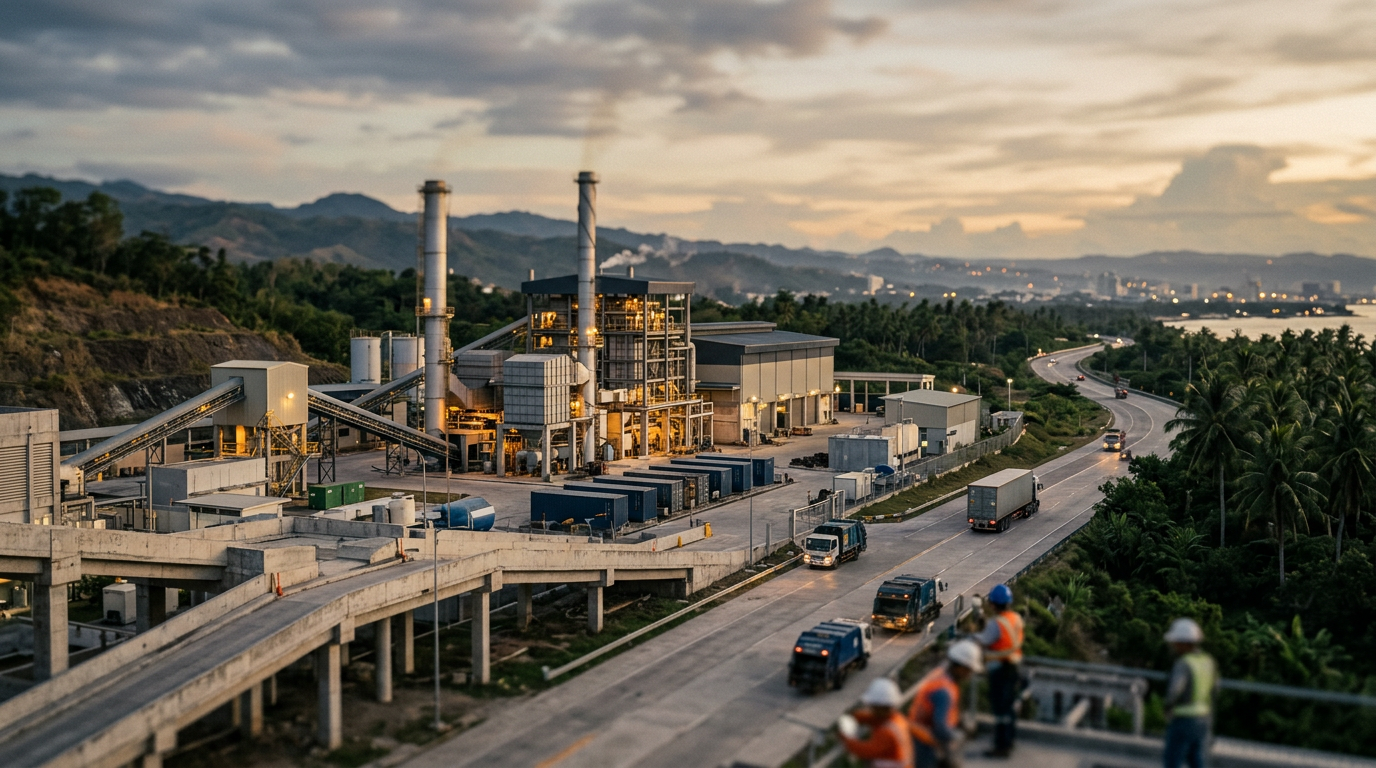
A recent report that Rockefeller Farm in the Philippines has allocated land for a potential waste-to-power generation facility is a small but significant indicator of a larger trend shaping investment across ASEAN. As detailed by philstar.com, the project involves a dome-like structure for waste processing. While the project itself is notable, the broader context is about the institutional capacity required to deliver such essential infrastructure, from land acquisition to power purchase agreements.
Execution Over Excitement
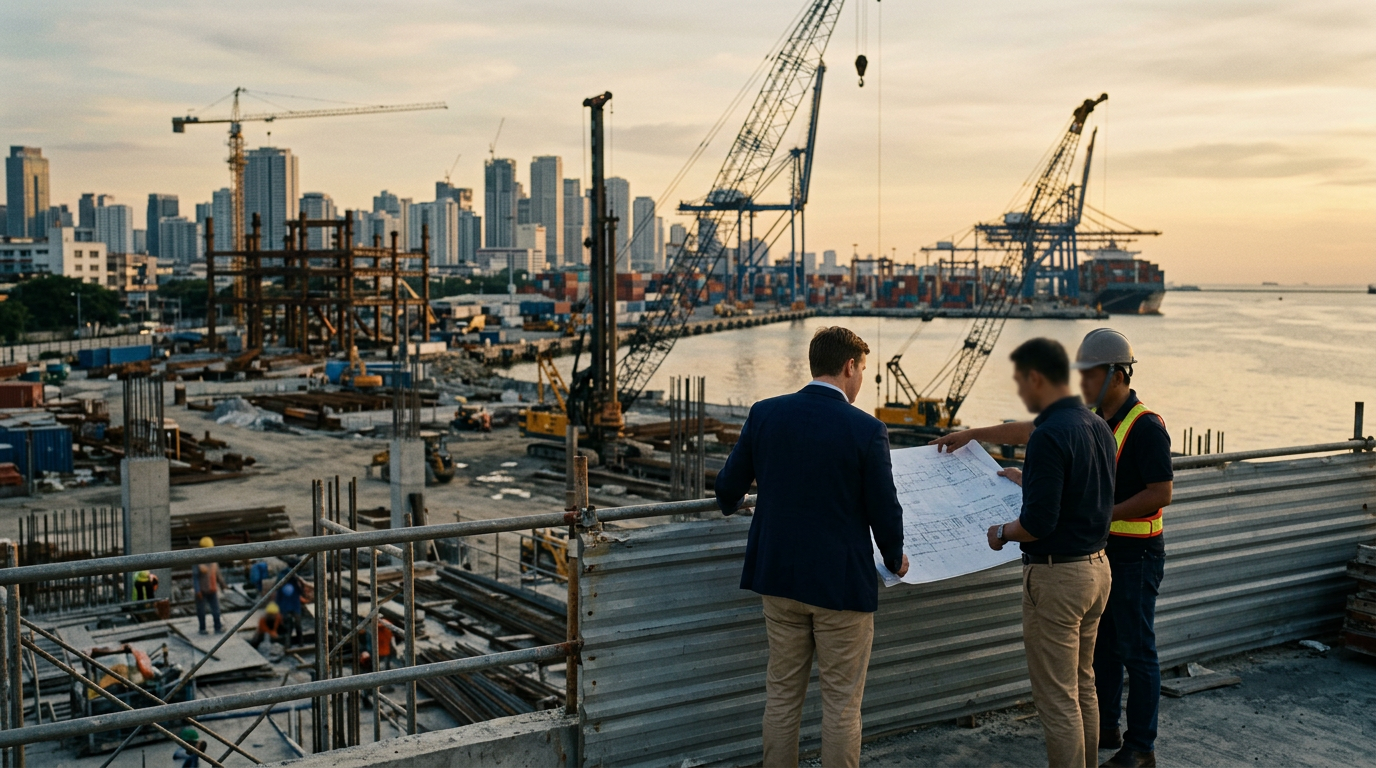
Grand pronouncements of new infrastructure are common across emerging economies. The real test, however, lies in execution. The ability to shepherd a project from announcement to operation is where governments demonstrate their effectiveness. As argued in the book ASEAN Rising, "institutional reliability has become part of comparative advantage." A state that can predictably manage regulatory approvals, enforce contracts, and deliver projects on schedule offers a stable environment for capital.
This move in the Philippines to develop new power sources from waste is a case in point. Success will depend not on the novelty of the technology, but on the mundane details of project management and institutional support. A usable state that delivers essential services and infrastructure fosters more long-term confidence than one that merely makes exciting promises. Investors are increasingly drawn to markets where the cost of friction, from bureaucratic delays to legal uncertainties, is low and predictable.
Infrastructure and State Capacity
The connection between infrastructure and state capacity is fundamental. Reliable power grids, efficient ports, and modern digital backbones are not just economic assets; they are reflections of a government's ability to plan, fund, and execute complex projects. The development of a waste-to-power facility, however small in the national context, requires coordination across multiple government agencies, local government units, and private sector partners.
Building and operating such a facility touches upon land use regulations, environmental standards, and energy policy. A government's ability to harmonize these elements and create a clear path for investors is a measure of its capacity. When infrastructure arrives on time, it signals a competent and reliable state, which in turn attracts further investment in a virtuous cycle. This capacity to deliver tangible assets is a far more powerful signal to capital markets than any policy statement.
What to watch
Observers should monitor the progress of this waste-to-power project not for its technological innovation, but as a barometer of the Philippine government's execution capabilities. The key indicators will be the project's timeline from construction to operation, the transparency of the energy tariff-setting process, and the replicability of this model in other provinces. These factors will reveal more about the country's investment climate and institutional strength than the facility's power output alone.