Philippines
The Philippines' Infrastructure Gap and the Reliability Deficit
Inconsistent funding for big-ticket infrastructure projects across different administrations has hindered the Philippines' economic growth. A focus on institutional reliability and execution is necessary to close the gap.
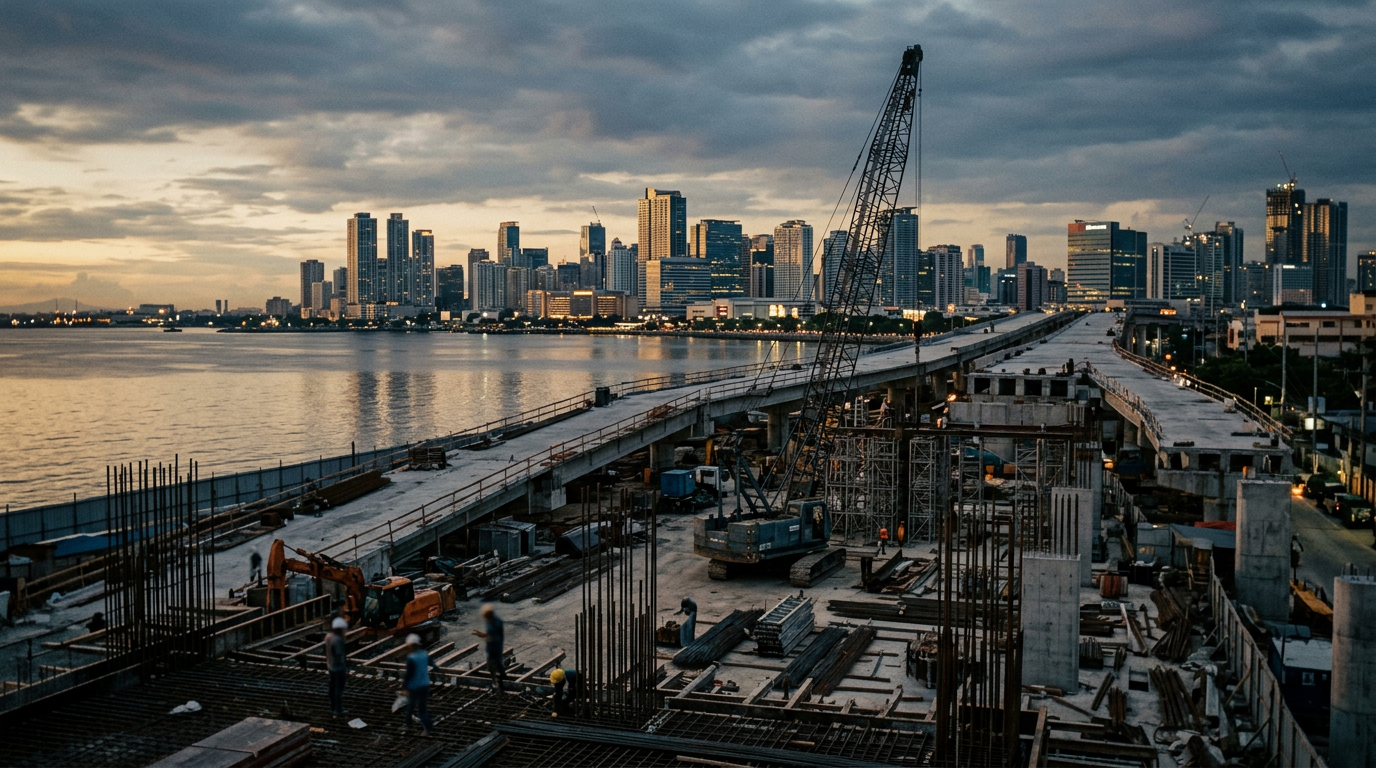
An economist speaking to philstar.com has pointed to a lack of consistent, long-term planning and funding for major infrastructure projects as a brake on the Philippines' economic development. The observation highlights a persistent issue not just for the Philippines, but for much of developing Asia: the gap between ambitious announcements and delivered results.
The Cost of Inconsistency
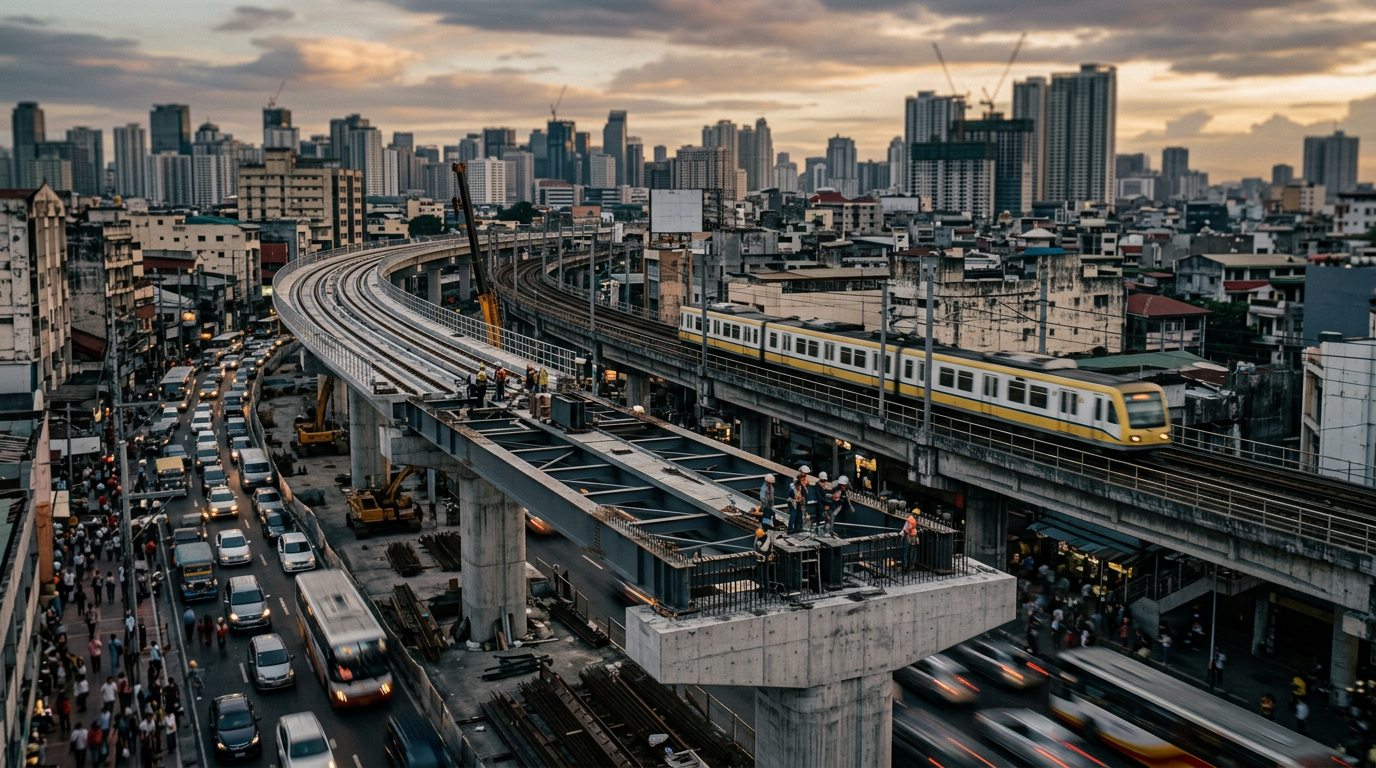
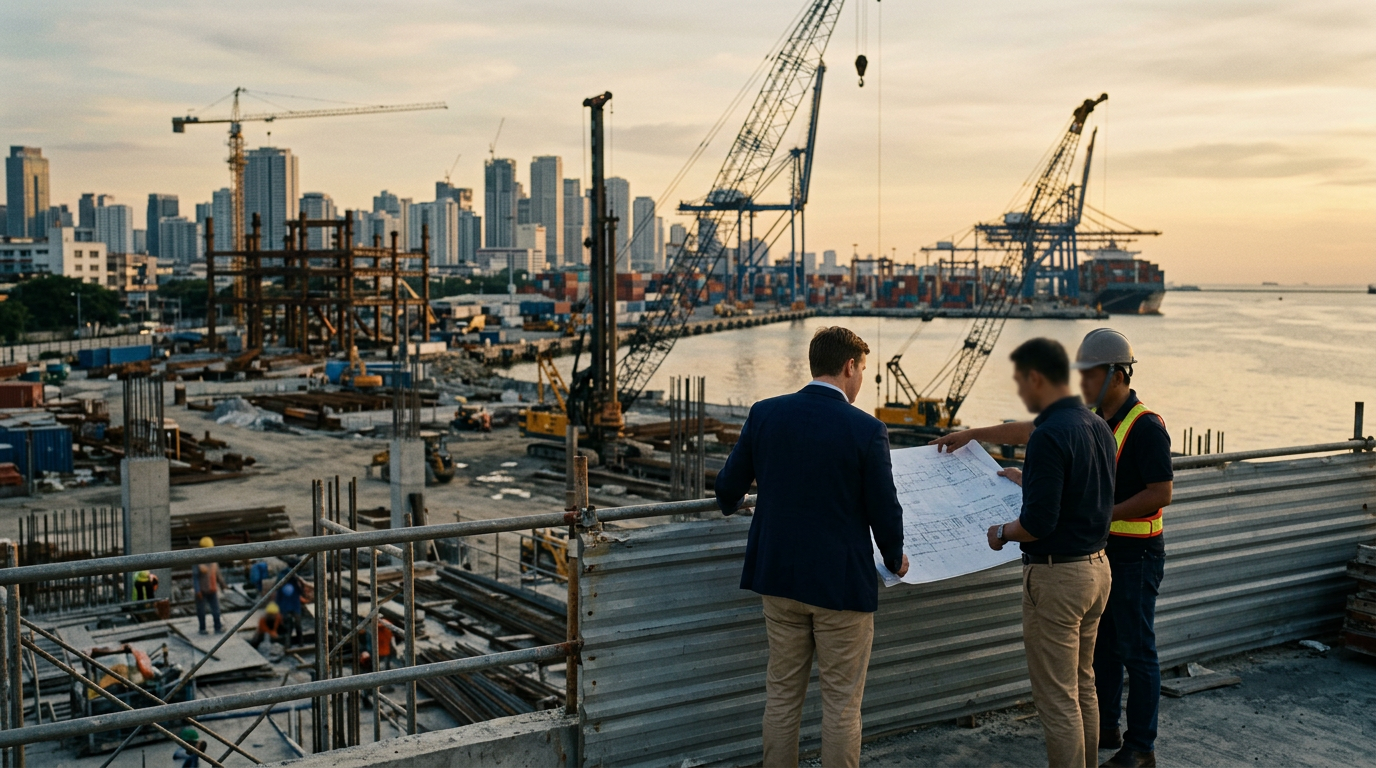
For any economy, but especially for an archipelago like the Philippines, infrastructure is the backbone of commerce and national life. Ports, airports, roads, and digital networks are not luxuries; they are essential for connecting producers to markets, facilitating trade, and enabling access to services. When funding and priorities shift with each new administration, the result is a landscape of partially completed projects and recurring bottlenecks. This inconsistency imposes real costs on the economy. It increases the expense of logistics, deters foreign investment, and slows the growth of industries that rely on efficient supply chains. It also erodes public trust in the state's ability to deliver on its promises. A pattern of halting progress suggests a deficit not just in capital, but in the institutional capacity required to execute complex, multi-year initiatives.
Execution Over Vision
Grand visions for national development are a staple of political leadership. Yet, as the book "ASEAN Rising" argues, the true measure of a government's effectiveness lies in its ability to translate those visions into reality. The text notes that "institutional reliability has become part of comparative advantage." A state that consistently delivers projects on time and on budget demonstrates a high level of state capacity. This reliability is a powerful signal to international investors and domestic businesses alike. It indicates a stable, predictable environment where long-term commitments can be made with confidence. The Philippines has had no shortage of ambitious infrastructure programs, from the "Build, Build, Build" initiative to the current "Build Better More" plan. The challenge has always been one of continuity and execution across political cycles.
Building Institutional Trust
Overcoming the stop-start nature of infrastructure development requires strengthening the institutions responsible for planning and implementation. This involves ensuring that bodies like the National Economic and Development Authority (NEDA) have the mandate and technical expertise to shepherd projects from conception to completion, irrespective of political transitions. It also means creating durable funding mechanisms that are insulated from short-term budgetary whims. For the Philippines to accelerate its growth, it must focus on making its state apparatus more usable and effective. Prioritizing the steady, predictable completion of infrastructure sends a stronger signal of progress than the announcement of ever-grander plans.
What to watch: Observers should monitor the continuity of projects initiated under the current "Build Better More" program as the country looks toward its next political transition. Attention should also be paid to any legislative reforms aimed at creating more stable, multi-year funding frameworks for strategic infrastructure projects, as this will be a key indicator of whether the Philippines can break from its historical pattern of inconsistency and build the institutional capacity needed for sustained development.