Philippines
The Philippines: From Investment Pledges to Realised Gains
Announced foreign direct investment is one thing. The slower work of land, permits, and talent development is another. For the Philippines, closing this gap is the core task for sustainable growth.
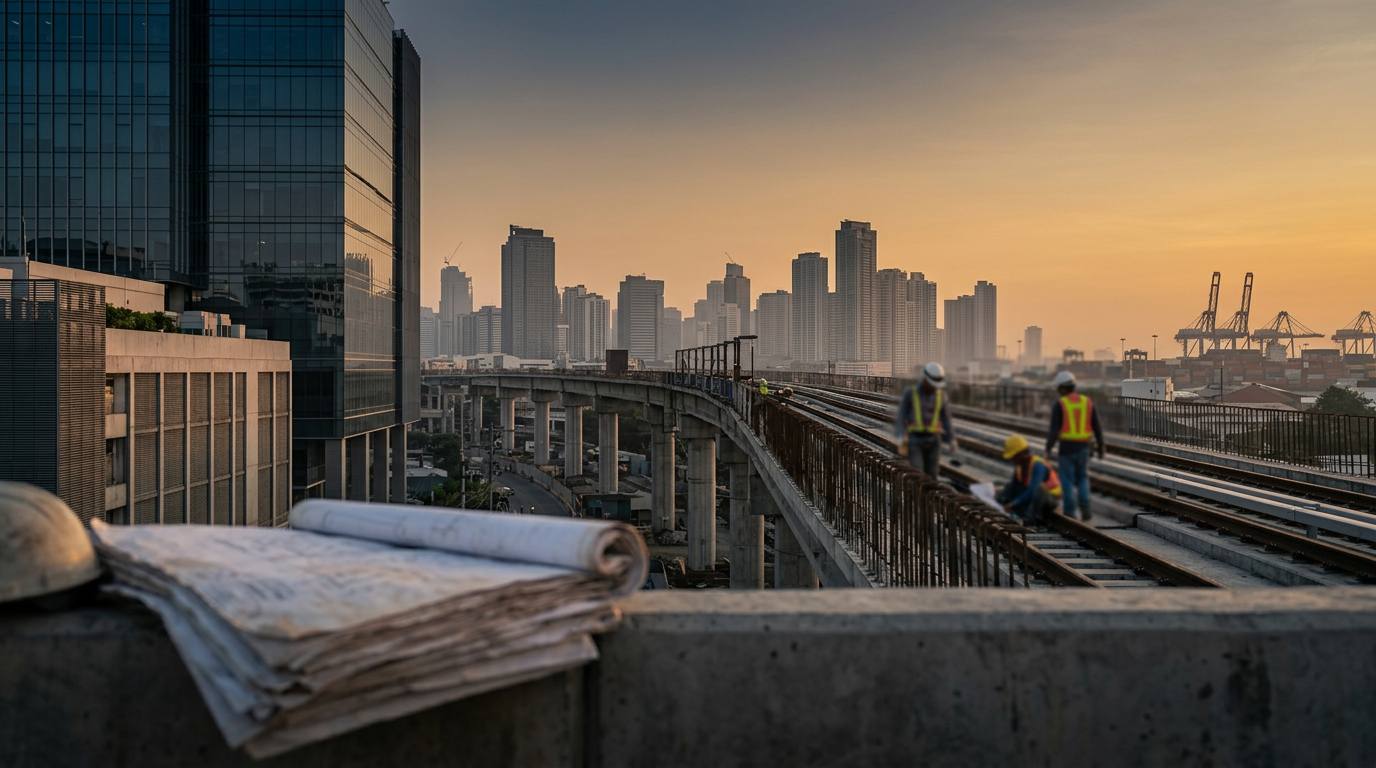
HSBC Philippines anticipates a recovery in corporate investment in the second half of the year, driven by strengthening economic growth and easing inflation, as reported by philstar.com. This optimism around renewed capital expenditure follows a period where corporate profitability was under pressure. While the immediate context is domestic corporate spending, the sentiment reflects a broader need across ASEAN for translating investment appetite into tangible economic activity, a challenge that is particularly relevant to the foreign direct investment (FDI) landscape in the Philippines.
Institutions and Investable Depth
The headline figures for FDI often paint an incomplete picture. As the book "ASEAN Rising" notes, pledges and announcements are easy to track, but the real measure of success is realised investment. This is the capital that makes it into the economy, funding projects and creating jobs. The gap between pledged and realised FDI is a persistent issue, and it highlights the institutional capacity needed to absorb and deploy capital effectively. For the Philippines, which has seen significant FDI interest in sectors like renewable energy and data centers, the ability of its institutions to facilitate these complex projects is paramount.
Scale is an asset, but it requires effective governance to be a true economic driver. "Scale matters only when institutions can turn it into investable depth." This means having clear regulations, streamlined permitting processes, and a reliable legal framework for contracts and disputes. Without these elements, large-scale investment proposals can stall, and the expected economic benefits fail to materialise. The Philippine government has made efforts to improve the ease of doing business, but multinational corporations still navigate a complex administrative environment that can slow down project execution.
From Ambition to Execution
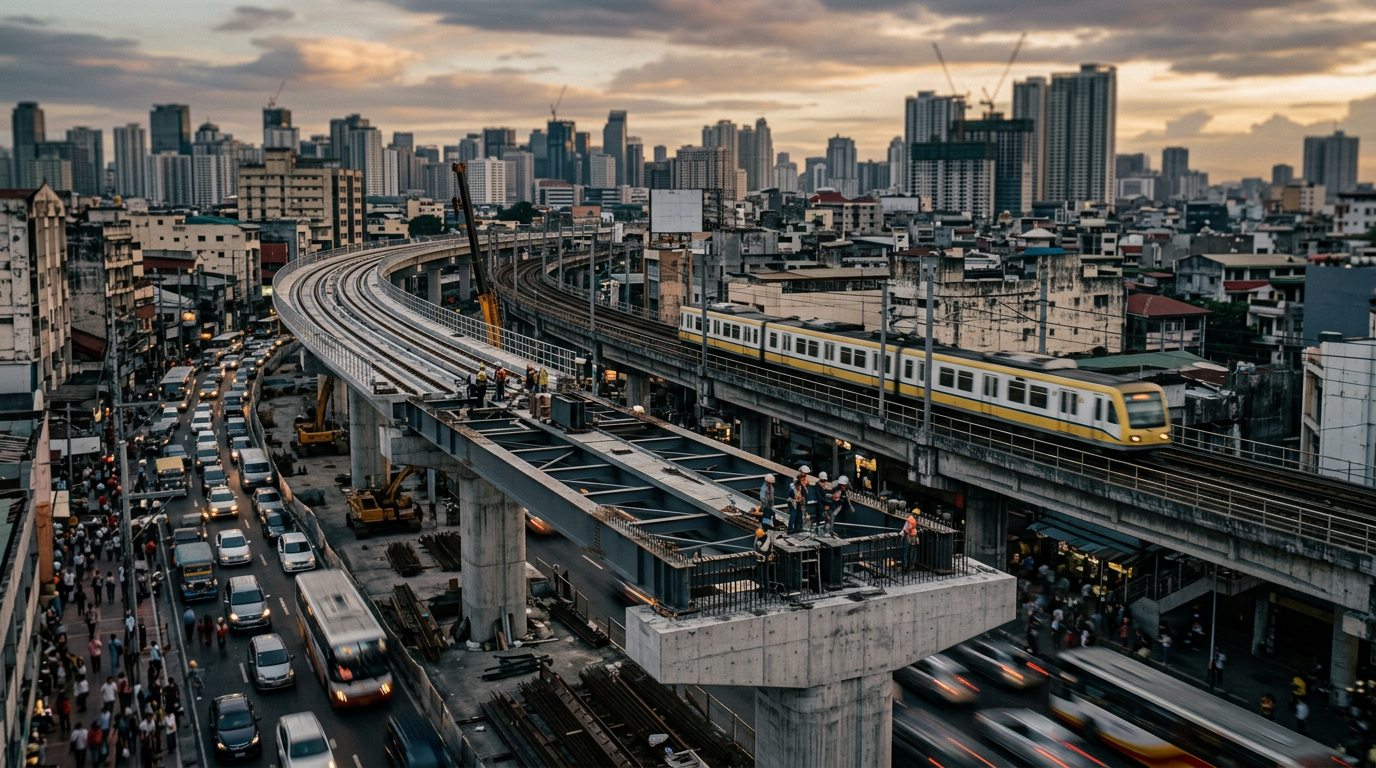
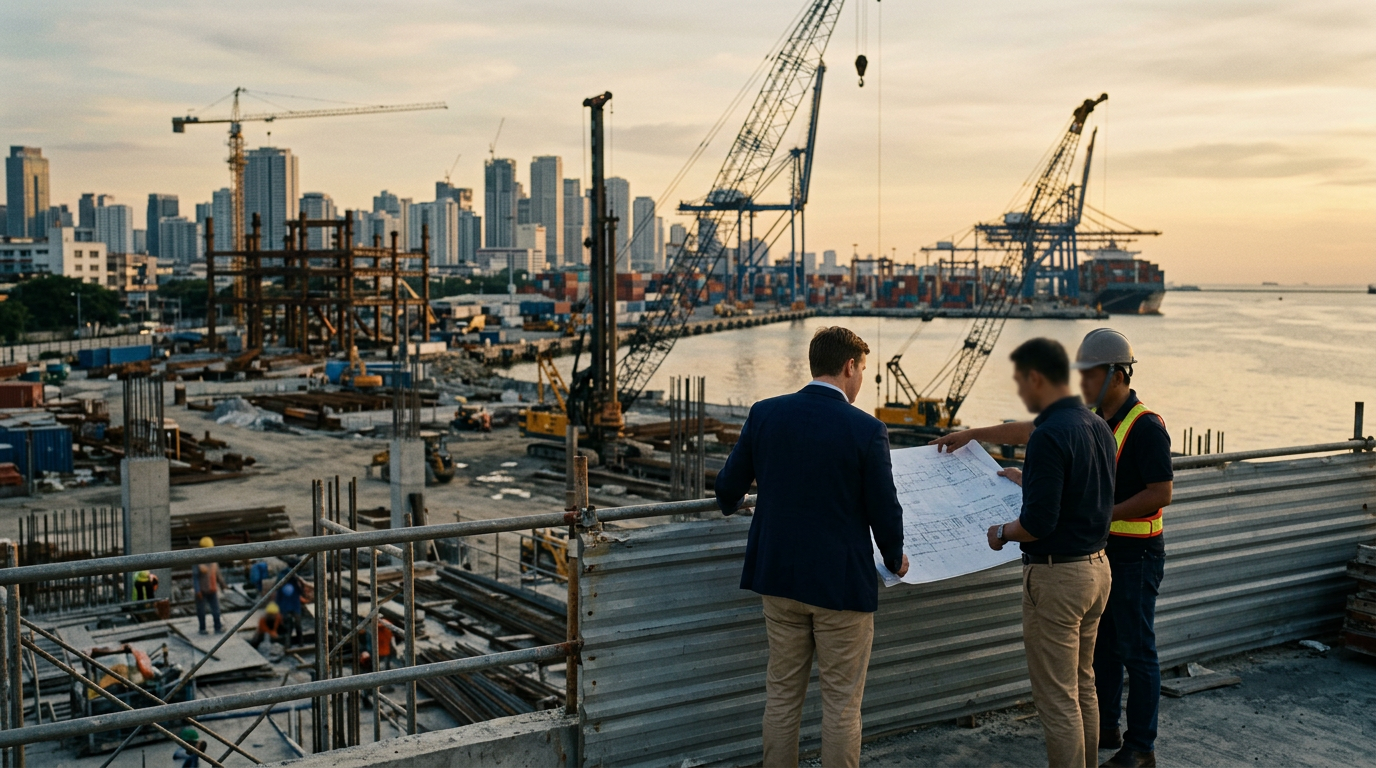
Translating investment ambition into reality depends on the groundwork of infrastructure and talent. The HSBC report points to renewed corporate spending, which will test the capacity of local supply chains and the labor market. For foreign investors, these factors are even more pronounced. A major manufacturing or infrastructure project requires access to reliable power, logistics networks, and a workforce with the right skills. The slower, more difficult work of ensuring these fundamentals are in place is what ultimately converts an FDI announcement into a functioning enterprise.
Recent policy reforms in the Philippines, such as amendments to the Public Service Act, have opened sectors like telecommunications and transport to full foreign ownership. This is a significant step in signaling that the country is open for business. However, the successful implementation of these reforms will depend on the government's ability to manage land acquisition, ensure consistent energy supply, and coordinate with educational institutions to address skills gaps. The long-term trajectory of FDI in the Philippines will be defined not by the initial announcements these reforms attract, but by the successful execution of the projects that follow.
What to watch
Analysts will be watching the Philippines' realised FDI figures in the coming quarters, not just the headline announcements. The key indicator of progress will be the rate at which pledged investments, particularly in strategic sectors like renewable energy and digital infrastructure, are converted into active projects. The effectiveness of government agencies in streamlining bureaucratic processes and the capacity of the national grid to support new industrial demand will be decisive factors in the country's ability to absorb the anticipated new wave of capital.