
 Philippines
The Philippines Confronts the Hidden Costs of Infrastructure
ACEN Corp's recent cancellation of two solar projects highlights a persistent challenge in the Philippines: the gap between ambitious infrastructure goals and the complex realities of execution, particularly concerning land acquisition and permitting.
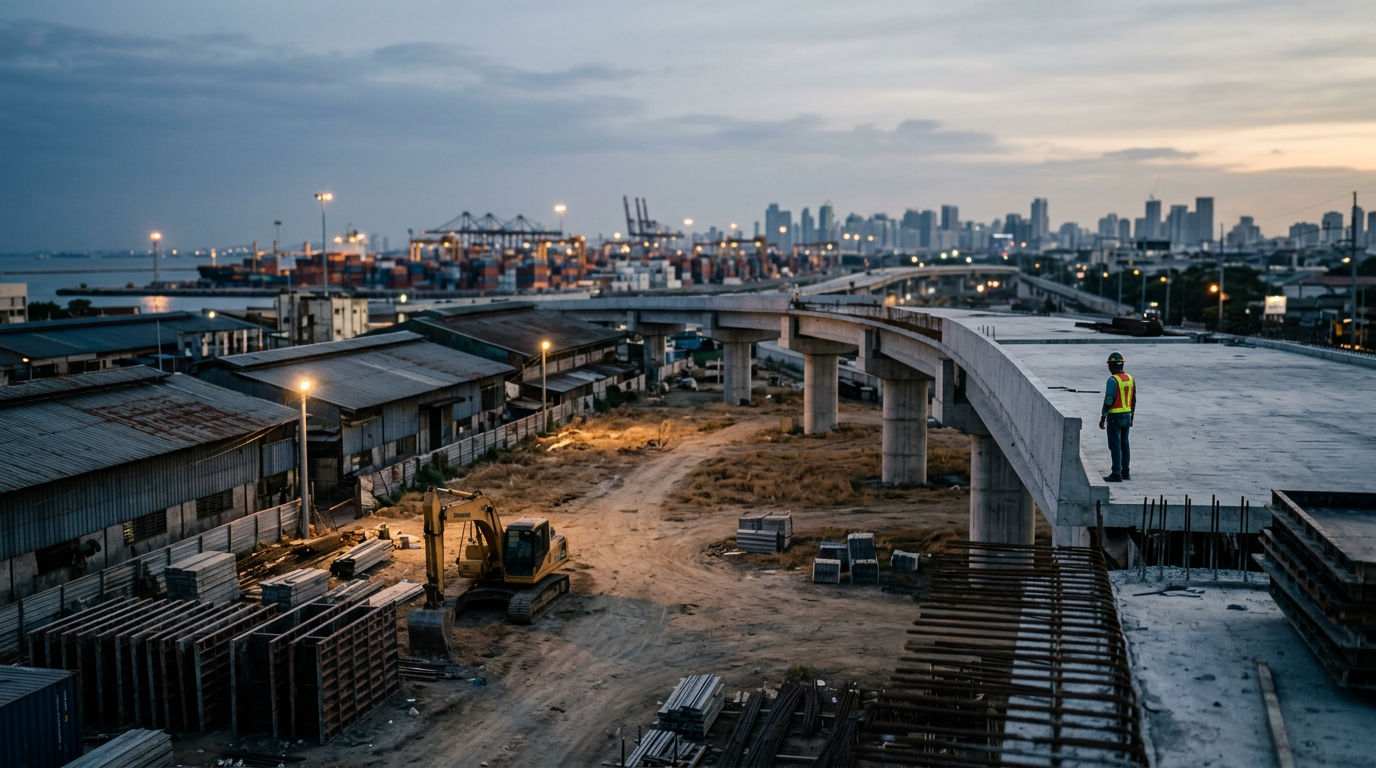
A recent announcement from ACEN Corp. that it was abandoning two solar power projects in the Philippines serves as a practical reminder of the frictions that can impede even the most well-laid plans. The company, a subsidiary of the Ayala Group, canceled contracts for solar facilities in Quezon and Zambales, citing intractable land-related issues. This development, reported by philstar.com, offers a clear window into the persistent gap between national ambitions and on-the-ground execution.
The Execution Gap
For years, the Philippines has articulated a national strategy focused on infrastructure development as a cornerstone of economic growth and energy transition. The current administration has continued the push of its predecessors, aiming to attract the private capital necessary to build out a modern, resilient economy. ACEN's experience, however, shows the difficulties that remain. The projects were not halted by a lack of capital, technology, or strategic vision. Instead, they were derailed by the fundamental, process-level work of securing land rights.
This is a recurring theme across the region. The capacity of state institutions to manage complex processes like land acquisition and permitting directly impacts the viability of private-sector investments. When these processes are opaque, slow, or unpredictable, they introduce a high degree of uncertainty. This uncertainty acts as a tax on development, raising the real costs and risks for investors. The result is that some projects that appear viable on paper are ultimately abandoned, not for commercial reasons, but because of administrative friction.
Institutions as Advantage
Building a solar farm is not merely a construction project; it is an institutional one. It requires the coordination of multiple government agencies, adherence to clear regulations, and a reliable legal framework for resolving disputes. As outlined in ASEAN Rising, the quality and reliability of these state functions are a significant, if often overlooked, element of national competitiveness. The book notes that "institutional reliability has become part of comparative advantage," a point illustrated perfectly by ACEN's withdrawal from the solar contracts.
Investors are increasingly looking past the headline-grabbing project announcements and focusing on the underlying capacity of the state to deliver. A predictable regulatory environment, even if stringent, is often preferable to one that is vague or subject to arbitrary changes. For the Philippines, closing this gap between policy and practice is essential for its energy goals. The government aims to increase the share of renewables in its energy mix to 35% by 2030 and 50% by 2040. Achieving this will require a massive build-out of solar and wind capacity, all of which will depend on the state's ability to facilitate the necessary land and permits efficiently.
Capital and Confidence
ACEN's decision was a rational business response to escalating risks and unforeseen complexities. For every project that is publicly canceled, many others are quietly shelved by investors during the due diligence phase for similar reasons. The friction in the system deters capital or diverts it to markets where execution risks are lower. This is the hidden cost of weak state capacity.
To attract the trillions of dollars in private capital needed for Southeast Asia's infrastructure and energy transition, governments must demonstrate that they are reliable partners. This means creating a clear and stable policy environment, but it also requires building the administrative machinery to implement those policies effectively. The success of the Philippines' ambitious infrastructure agenda will depend less on the vision and more on the state's ability to handle the complex, granular work of turning blueprints into reality.
What to watch: Observers should monitor whether the Philippine government, particularly the Department of Energy and other land-related agencies, introduces specific administrative reforms in response to this and similar setbacks. The pace of land-use plan approvals at the local government level and any new national directives aimed at streamlining the permitting process for priority energy projects will be key indicators of progress. How the administration addresses these granular, execution-level challenges will determine if it can translate its ambitious infrastructure goals into completed projects.


