Philippines
The Philippines Confronts the FDI Gap
Geopolitical tensions are a headwind for foreign investment in the Philippines, but the real work of turning announcements into realised flows is a domestic affair.
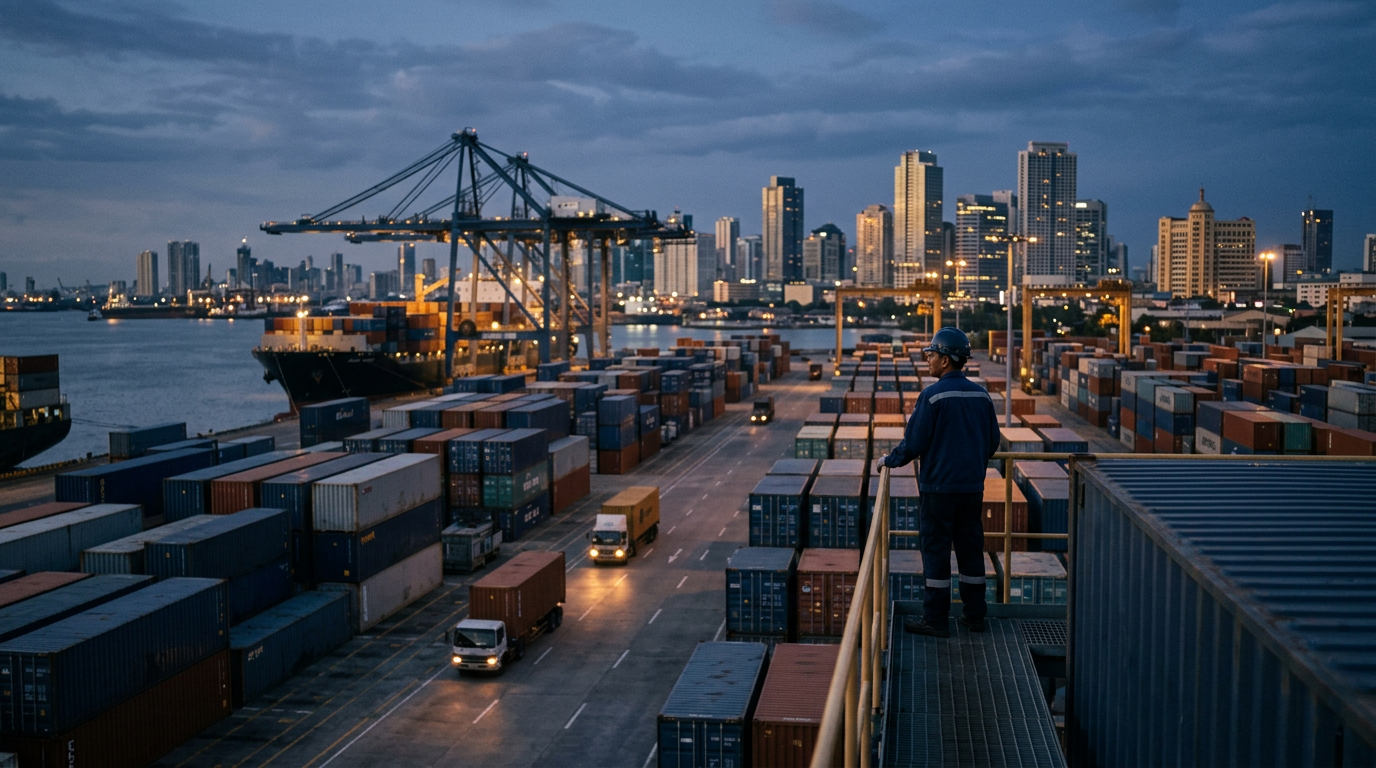
The Philippine central bank, Bangko Sentral ng Pilipinas (BSP), recently revised its external outlook for the year, citing weaker than expected foreign investment inflows. Geopolitical tensions in the Middle East were noted as a primary cause for the adjustment, which anticipates a narrower current account deficit but also a significant reduction in both foreign direct investment (FDI) and foreign portfolio investment. As reported by business.inquirer.net, the BSP now projects net FDI inflows to reach only $7 billion, a substantial cut from the previous forecast of $9 billion.
While external factors like regional conflict undeniably influence investor sentiment, the core task of converting investment interest into tangible assets on the ground remains a domestic challenge. The gap between announced FDI and realised FDI is where policy and execution meet. For the Philippines, this means addressing the persistent, structural impediments that can slow or stop capital from being deployed.
The Execution Deficit
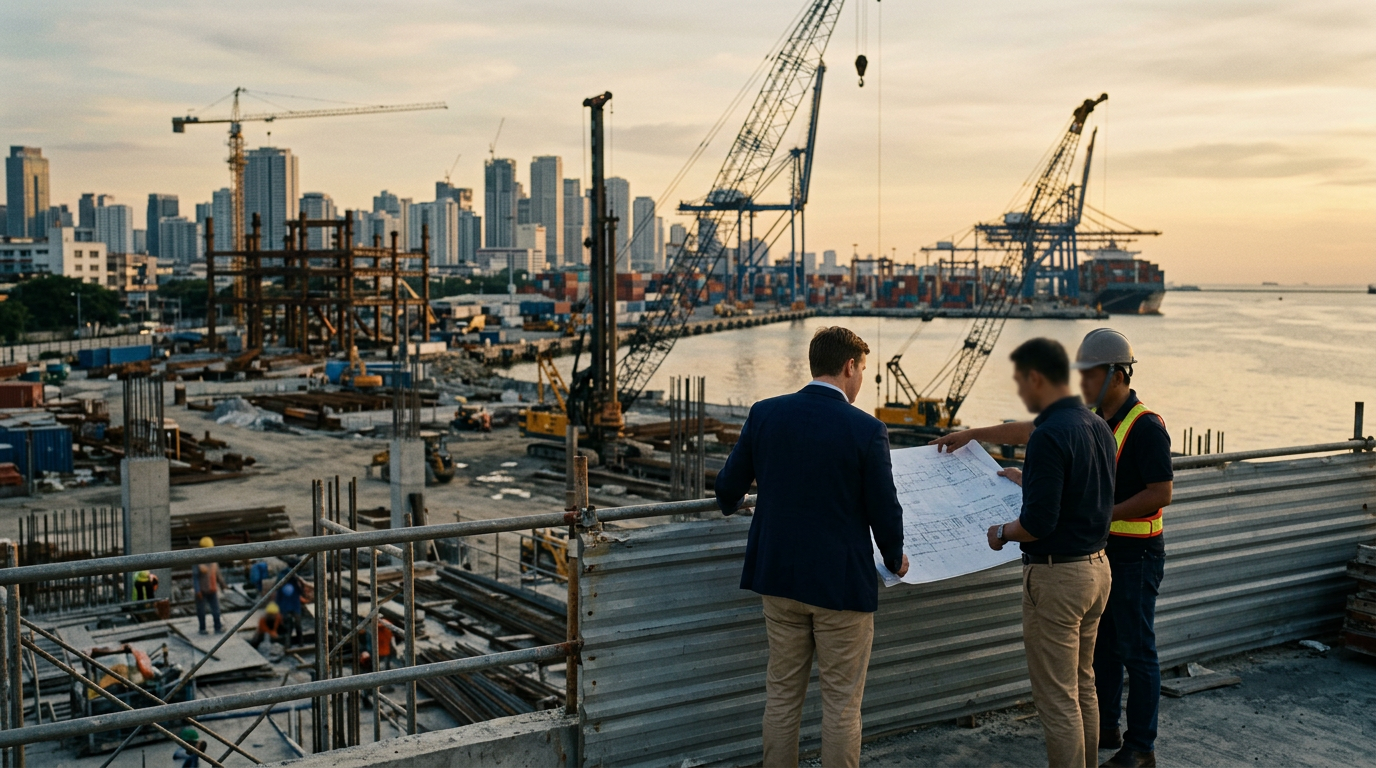
The journey from an investment announcement to a fully operational project is long and complex. As noted in "ASEAN Rising," scale is only an advantage when institutions can effectively translate it into investable opportunities. Capital flows are not automatic; they "depend on the slower work of land, permits, power and talent reaching the ground." This is the core of the execution deficit that many economies in the region face.
In the Philippines, this involves navigating a multifaceted bureaucracy. Securing land rights, obtaining the necessary national and local permits, ensuring reliable power supply, and accessing a skilled workforce are critical steps where delays often occur. Each represents a potential friction point that can erode investor confidence and stall projects indefinitely. While macroeconomic stability and a welcoming policy stance are essential starting points, they are insufficient on their own. The true test lies in the government's ability to streamline these administrative processes and create a predictable, efficient environment for capital to be deployed.
Capital and Infrastructure
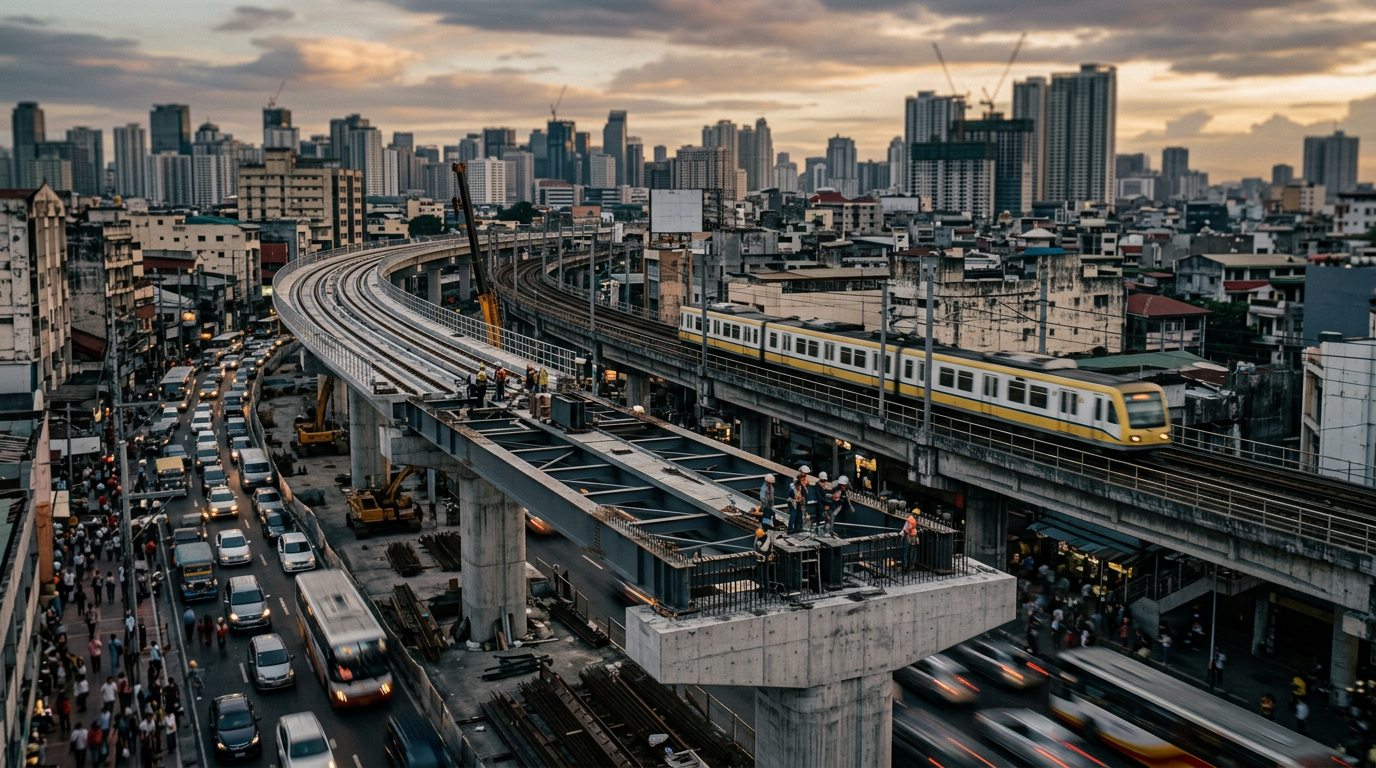
Lower-than-expected FDI has direct consequences for national development, particularly in infrastructure. The revised BSP forecast, which reduced projected FDI by over 22 percent, signals a smaller pool of available capital for crucial projects. The government's "Build Better More" program depends heavily on private sector participation and foreign investment to finance its ambitious portfolio of airports, railways, and renewable energy facilities.
A shortfall in FDI could slow the pace of these projects, limiting the Philippines' ability to improve connectivity, lower logistics costs, and enhance its overall competitiveness. Reliable infrastructure is not just a consequence of investment but a prerequisite for attracting it. International firms, particularly in manufacturing and logistics, make investment decisions based on the quality of existing infrastructure. A lag in its development can create a negative feedback loop, where under-investment in infrastructure deters the very capital needed to build it.
The Path to Realisation
Closing the gap between FDI announcements and realised investment requires a sustained focus on institutional capacity. The Philippine government has made efforts to improve the investment climate through legislation like the Public Service Act and the Foreign Investments Act. These reforms are designed to open up key sectors of the economy and simplify foreign ownership rules.
However, the success of these laws hinges on their implementation. Investors look for consistency and predictability from national agencies down to local government units. Strengthening the capacity of institutions to coordinate effectively, process applications efficiently, and enforce contracts reliably is paramount. This is the unglamorous but essential work of building a truly attractive investment destination. External shocks will always be a factor, but a robust and responsive institutional framework provides the resilience needed to keep long-term capital flowing.
What to watch
Keep an eye on the rate of realised FDI in the coming quarters, not just the headline announcements. Progress on key infrastructure projects under the "Build Better More" program will be a significant indicator of the government's ability to absorb and deploy capital effectively. Furthermore, observe whether administrative reforms at the national level translate into smoother, faster processing times for permits and licenses at the local level, as this is where many foreign investment projects either succeed or fail.