Philippines
The Philippines Confronts its Power Dilemma
The country's largest power utility forecasts a surge in electricity demand. This highlights the long-running gap between ambitious infrastructure plans and the on-the-ground reality of execution.
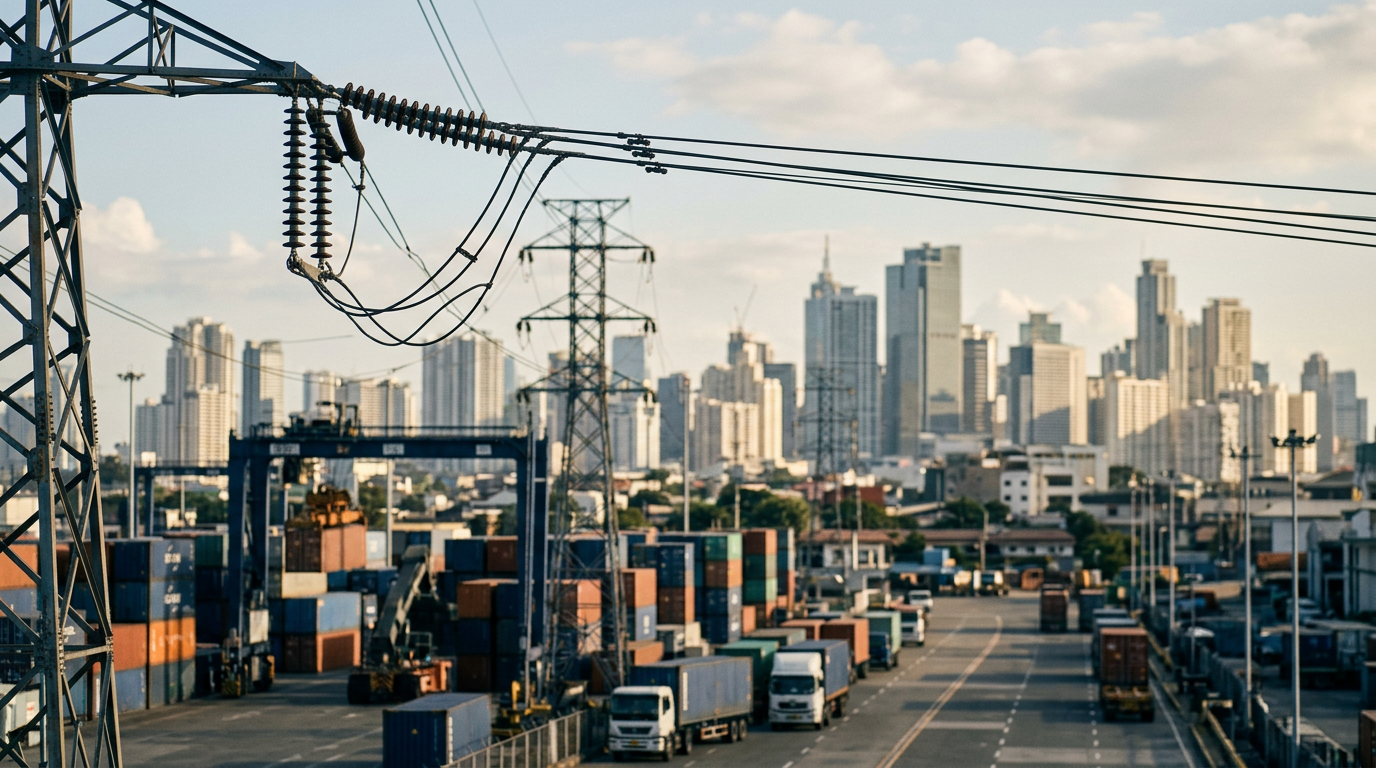
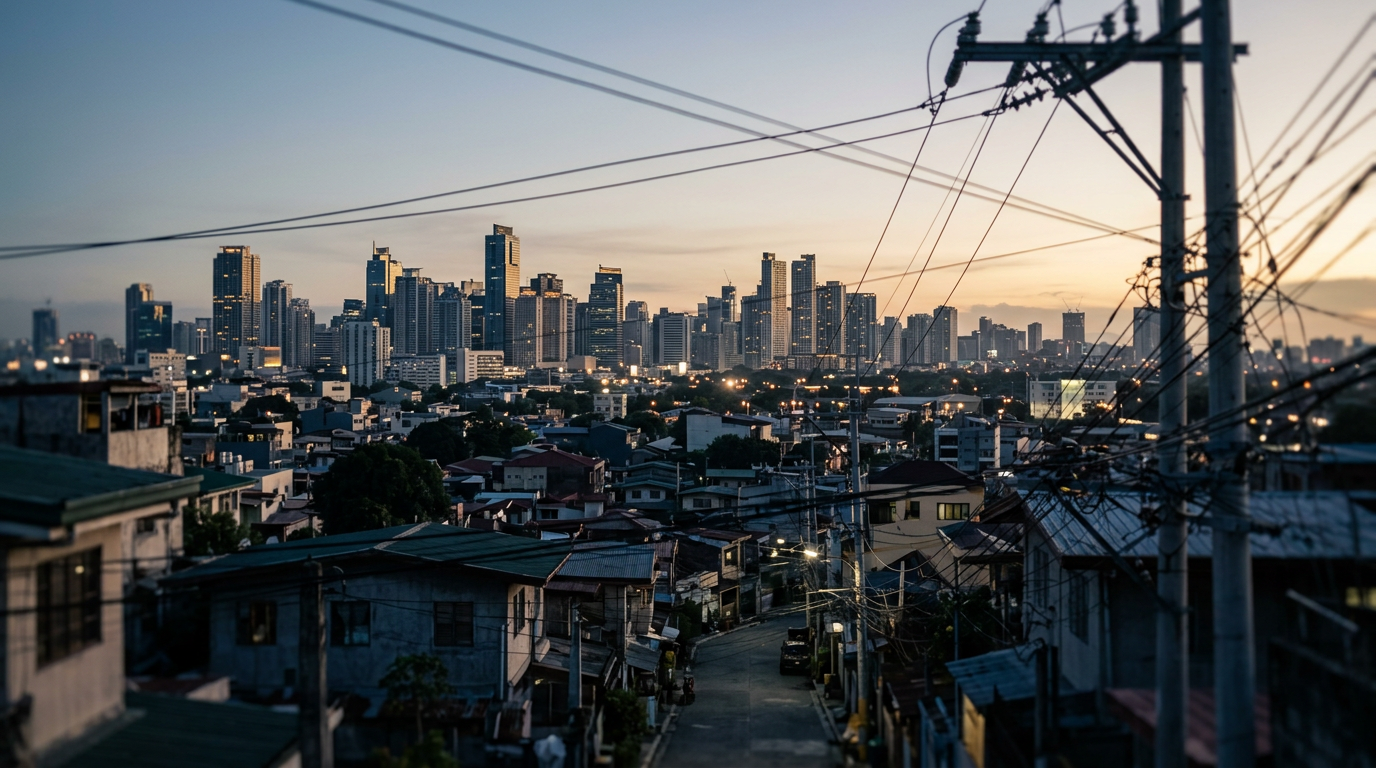
The Philippines' largest private utility, Meralco, anticipates a significant rise in electricity demand for the second half of 2026, as reported by philstar.com. The forecast is attributed to the economic activity and the effects of the El Niño weather phenomenon, which increases the need for cooling. This projection puts a sharp focus on the country's longstanding challenges in matching energy supply with its growing needs, a core issue of institutional capacity and infrastructure development.
The Execution Gap
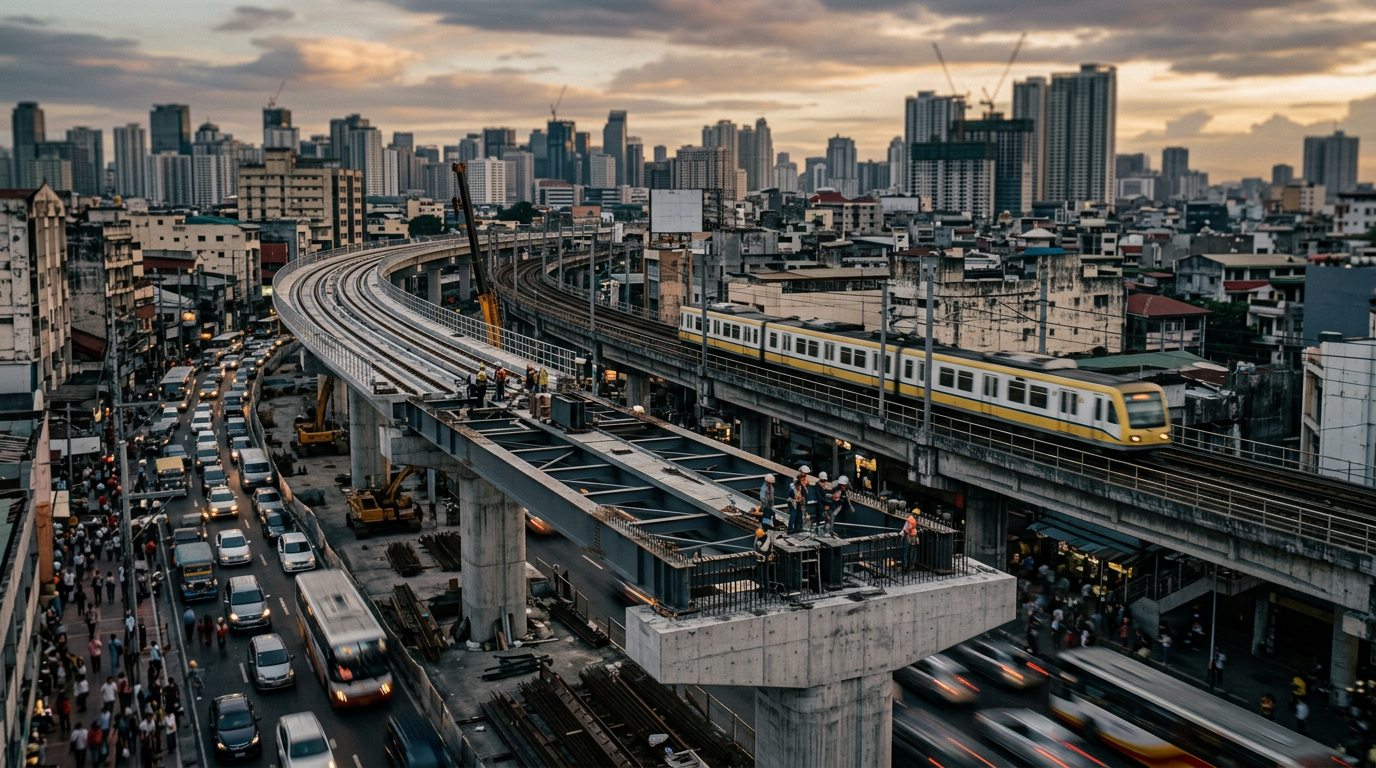
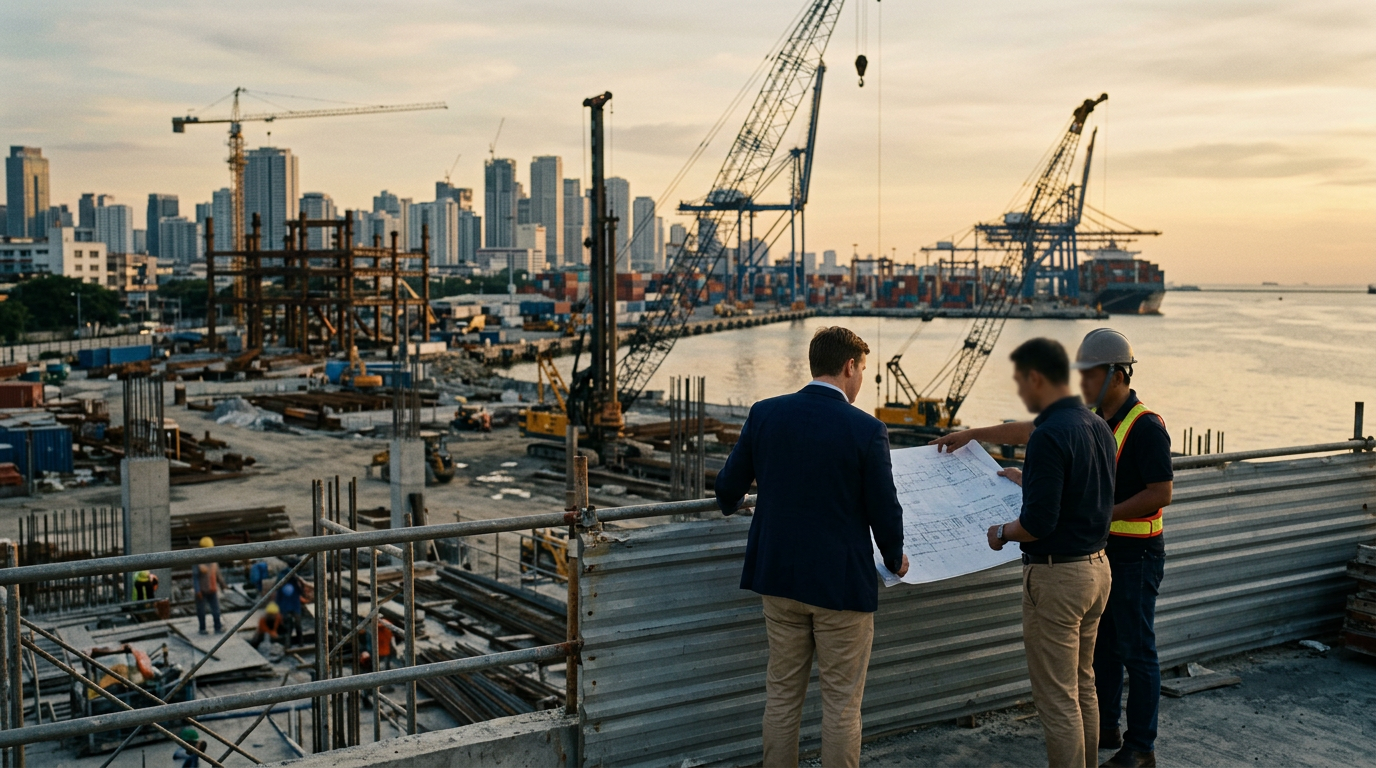
For years, the Philippines has announced ambitious infrastructure programs. The "Build, Build, Build" initiative and its successor, "Build Better More," have identified energy generation and transmission as priorities. These programs aim to attract investment, upgrade the national grid, and ensure a stable power supply to support economic growth. However, the anticipated demand surge from Meralco underscores a persistent gap between policy pronouncements and their execution.
The challenge is not a lack of plans, but a deficit in their timely and efficient implementation. Projects often face significant delays due to bureaucratic hurdles, right-of-way issues, and a complex regulatory environment. As the book "ASEAN Rising" notes, the ability to deliver projects predictably is a key component of national competitiveness. The report of rising demand is less a surprise than a recurring test of the system's ability to deliver essential services. A reliable power grid is a fundamental prerequisite for attracting and retaining the foreign and domestic investment that the country seeks to power its industrialization.
Capital and Reliability
Meeting the Philippines' energy needs requires immense capital. The government has actively courted private sector and foreign investment to build new power plants, including a significant push towards renewable energy sources. However, investors measure sovereign risk not just by policy intentions but by the operational realities of the market. A history of project delays and regulatory shifts can deter the very capital that is needed.
Institutional reliability is a critical factor in investment decisions. Predictable interconnection policies, transparent bidding for power supply agreements, and efficient permitting processes are as important as the physical infrastructure itself. As the chapter on state capacity in ASEAN Rising puts it, "A usable state is often more valuable than an exciting one." When utilities forecast demand spikes, it serves as a market signal. It indicates a need for investors to see a clear and unobstructed path from project approval to revenue generation. Without that clarity, capital will remain hesitant, and the country will continue to grapple with a precarious balance between supply and demand.
What to watch
The government's response to Meralco's forecast will be telling. Watch for specific, actionable measures to expedite critical power projects currently in the pipeline, particularly those involving transmission upgrades and renewable energy connections. The ability of regulatory bodies to streamline approvals for both new generation capacity and grid enhancements will indicate whether the country can move from ambition to execution. The outcome will determine if the Philippines can build an energy system that supports, rather than constrains, its economic aspirations.