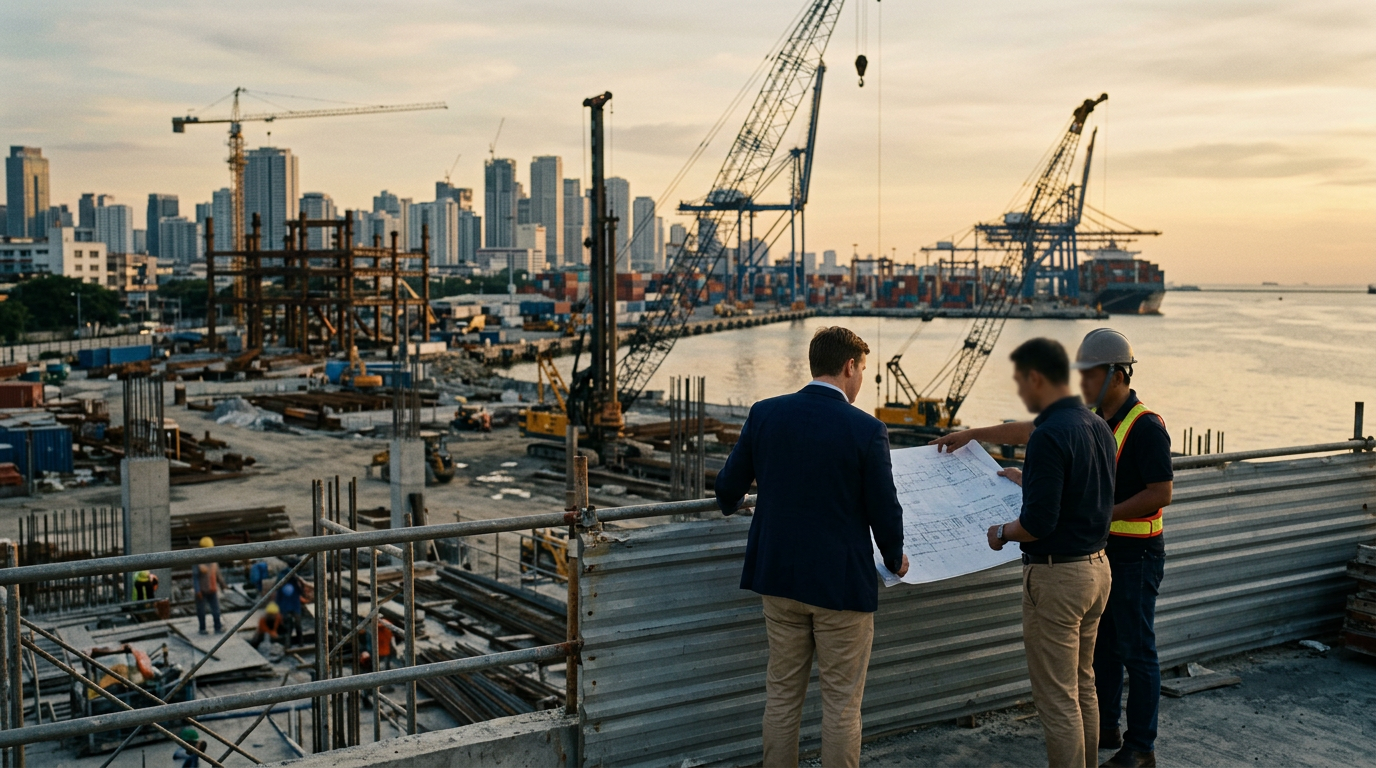
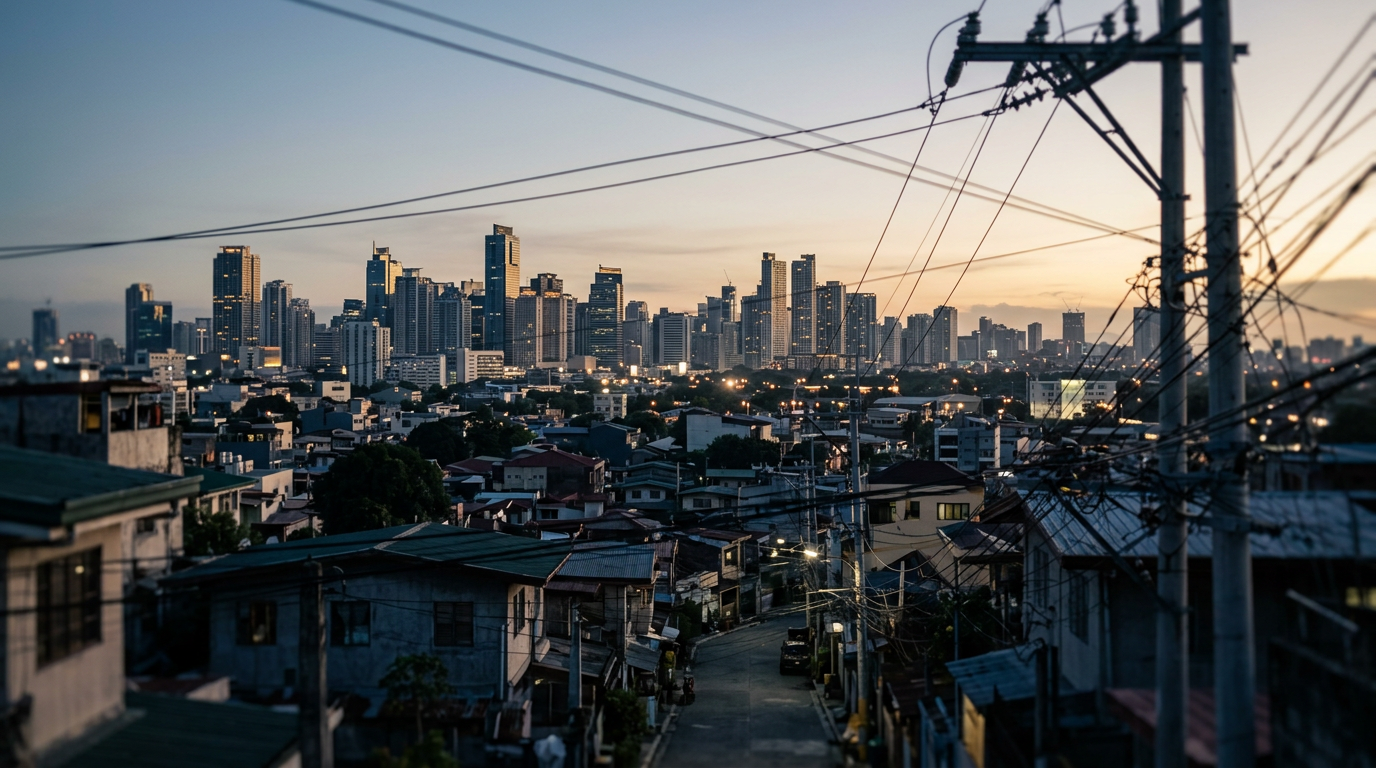
Philippines
The Philippines Confronts a Structural Trade Deficit
A widening agricultural trade deficit in the Philippines is a case study in a region-wide challenge: how to manage economic dependency on China without sacrificing strategic options.
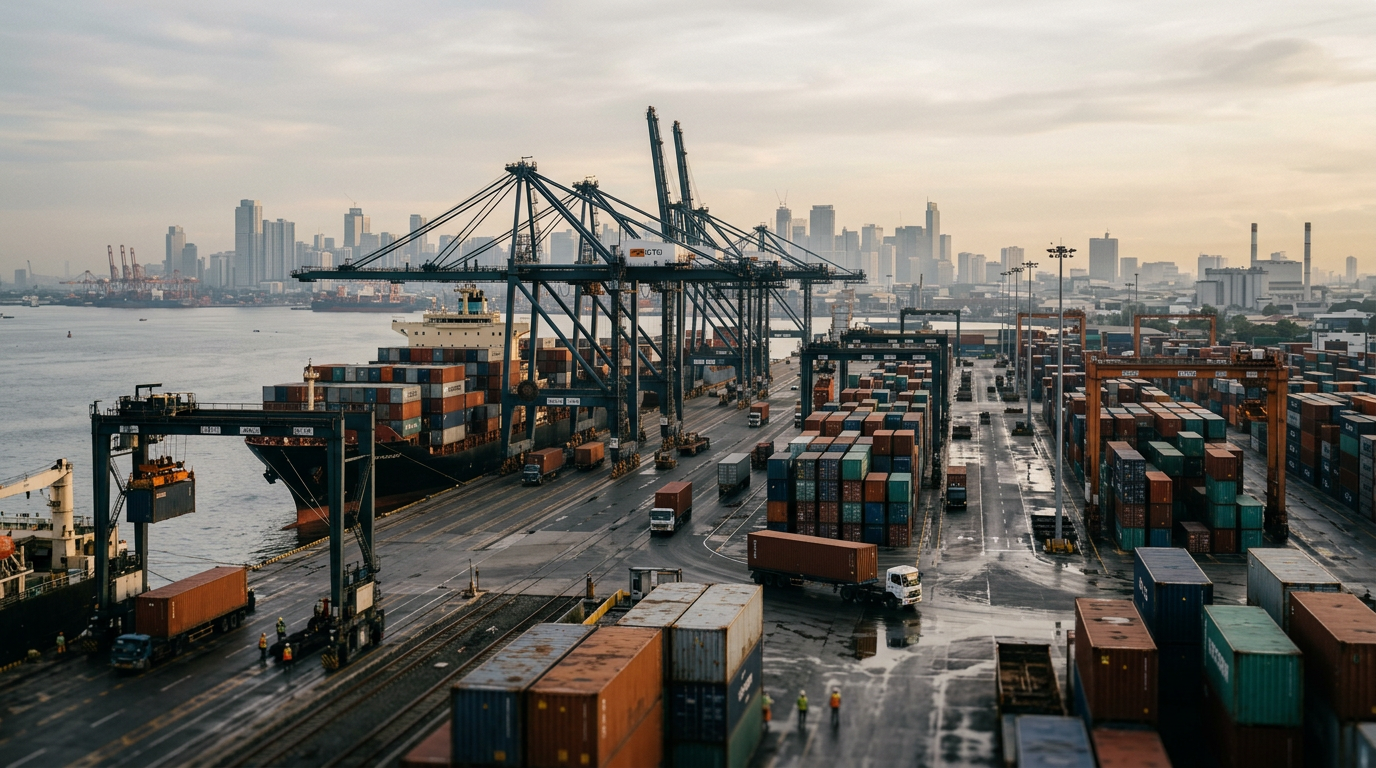
The Philippines reported its agricultural trade deficit widened to $1.06 billion in June, a development that highlights a structural economic challenge for the country and its neighbors. The announcement from the Philippine Statistics Authority, reported by philstar.com, shows farm imports continuing to outpace exports. While the report does not detail the deficit by country, the data reflects a broader regional pattern of deepening trade ties with China and the complexities that come with it.
The Gravity of Trade
Trade imbalances with China are not unique to the Philippines. For most ASEAN members, China is the largest trading partner, a relationship that has grown consistently over the past two decades. This integration has brought significant economic benefits, providing access to a massive market for ASEAN's agricultural products and natural resources, and supplying the region with manufactured goods and capital equipment. The result is an economic gravity that is difficult to resist. As the book "ASEAN Rising" notes, this economic relationship has become a permanent aspect of the region's economy. The core issue for governments is no longer about choosing whether to trade with China, but about how to construct a sustainable long-term policy around this fact.
Managing Dependency
The challenge for the Philippines and other ASEAN nations is to prevent economic integration from turning into strategic over-reliance. The book argues that for ASEAN governments, the primary question is "how to manage dependency without losing optionality." This means building policy frameworks and institutions that can withstand external pressures and maintain a degree of economic self-determination. For the Philippines, a persistent trade deficit in a vital sector like agriculture is a signal of this dependency. It points to a need for investment in domestic production, infrastructure to bring goods to market efficiently, and the cultivation of talent to raise productivity. Without these internal strengths, the reliance on imports becomes a structural vulnerability.
Beyond Bilateral Balancing
Addressing a trade deficit is not simply a matter of adjusting tariffs or seeking better terms in bilateral negotiations. It requires a comprehensive national strategy. This involves improving the institutional capacity to execute long-term economic plans, attracting and directing capital toward productive sectors, and building the physical and human infrastructure necessary to compete. The Philippines' agricultural trade figures are a small part of a much larger picture where national economic resilience is built not on isolation, but on the strength of domestic institutions and the effective use of capital. Only then can the country, and the region, fully benefit from trade with China while mitigating the associated risks.
What to watch
Manila's policy response to this trade deficit will be an indicator of its broader strategy for managing economic relationships. Observers should watch for specific government initiatives aimed at boosting agricultural productivity, such as new investments in rural infrastructure, water management systems, and agricultural technology. Any new trade agreements or adjustments to existing ones, particularly those involving other major partners, will also signal how the Philippines intends to balance its deep trade relationship with China by diversifying its economic options.